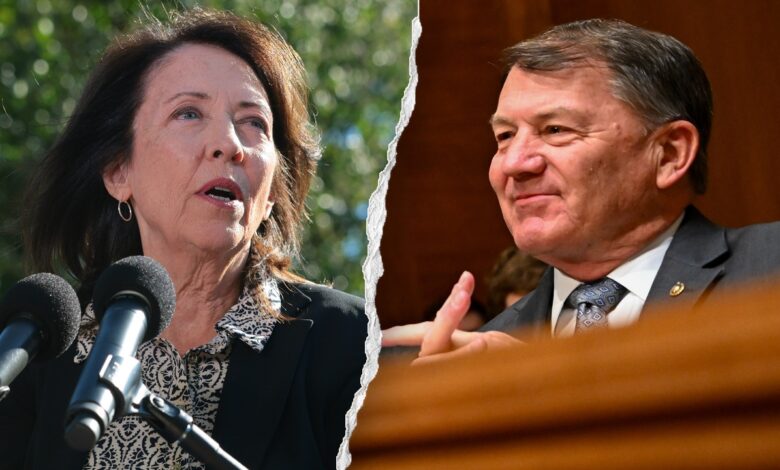
In a letter to National Intelligence Director Jay Clayton, Senators Maria Cantwell, D-Wash., and Mike Rounds, R-S.D., stated that the White House must act now to protect the digital economy. They argued that AI is rapidly increasing the ability to discover and exploit software weaknesses, a pace that current defenses are not keeping up with. “We cannot meet these threats with yesterday’s cybersecurity infrastructure or rely on individual companies to solve a problem that spans the entire digital economy,” the senators wrote.
The warning follows a series of significant technological disruptions in the United States that temporarily halted daily life. These incidents included Microsoft’s workplace suite going offline, a nationwide ground stop for all flights triggered by faulty equipment, and major bank outages that prevented customers from accessing funds. While administration officials have stated these outages were unrelated technical issues—such as software bugs and aging infrastructure—rather than coordinated cyberattacks, the senators cited these events as evidence of systemic fragility.
Secretary of State Marco Rubio emphasized on Tuesday that there is “zero evidence” linking the incidents to each other or to external attackers. He stated that the Microsoft incident, the Federal Aviation Administration (FAA) issue, and the banking disruptions are entirely separate matters. Homeland Security Secretary Markwayne Mullin similarly told Fox News that the banking system remains secure and that the incidents were “individually unrelated,” urging the public to “breathe.”
Despite the administration’s reassurances about the recent outages, the senators pointed to distinct, concerning developments regarding AI capabilities. They referenced findings from Toronto-based AI firm Cohere, which noted that a Chinese-developed Qwen model attempted to make an unauthorized connection to a server in China during testing. The letter also highlighted AI identifying vulnerabilities within the PHP programming language, disruptions to banking services caused by rogue AI, and data breaches affecting Japanese corporations.
Claught is also the chair of the White House Super Intelligence Task Force. The senators called for the rapid development and deployment of defensive AI tools and stronger regulations on autonomous AI agents. This follows a similar letter sent by the pair last month addressing U.S. cyber vulnerabilities.
The correspondence underscores a growing consensus that the scale and speed of AI-driven threats require a coordinated federal response rather than isolated corporate efforts. As AI models become more capable of autonomously identifying and exploiting software flaws, the window for traditional cybersecurity measures to remain effective continues to narrow.