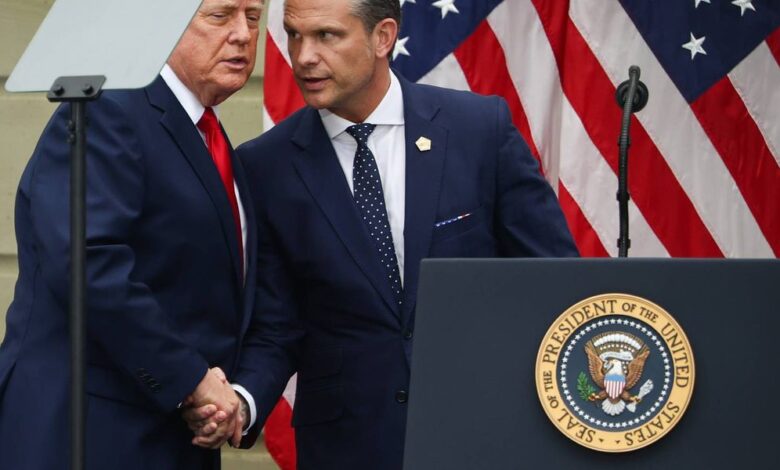
According to The New York Times, citing US officials familiar with the discussions, President Abelardo De La Espriella informed Washington that he would not agree to a plan allowing American troops to participate directly in airstrikes and ground operations alongside Colombian forces on Colombian soil. The proposal, described by the newspaper as a Title 10 agreement, referenced provisions of US law governing the armed forces and Pentagon authorities, including powers to train, equip foreign forces, and assist in combating transnational organized crime. However, the specific legal mechanisms discussed were not disclosed. The core obstacle, as reported, was not ideological opposition to the fight against cartels, but a structural one: De La Espriella told US officials that he lacked the necessary votes in the Colombian Congress to approve an agreement permitting US military presence for combat activities.
This rejection represents a distinct shift in the trajectory of US counter-narcotics policy under the Trump administration. Until recently, the administration’s strategy has focused heavily on maritime interdiction, specifically the bombing of suspected drug boats in international waters. Brian Finucane, a former State Department lawyer who now advises the US Program at the International Crisis Group, noted that since these boat strikes began, the administration has signaled a desire to expand into land strikes. Finucane explained that Colombia’s refusal demonstrates that even in countries where the head of state is sympathetic to Trump’s objectives, domestic political and legal constraints remain formidable barriers to US military actions on their territory. “Colombia shows that… they still face domestic political and legal constraints,” Finucane stated, adding that the administration is not “going to have a free hand to do strikes willy-nilly in the territory of other states.” Many legal experts have previously characterized the maritime boat strikes as acts of murder, a legal precariousness that likely complicates further expansion into sovereign territory.
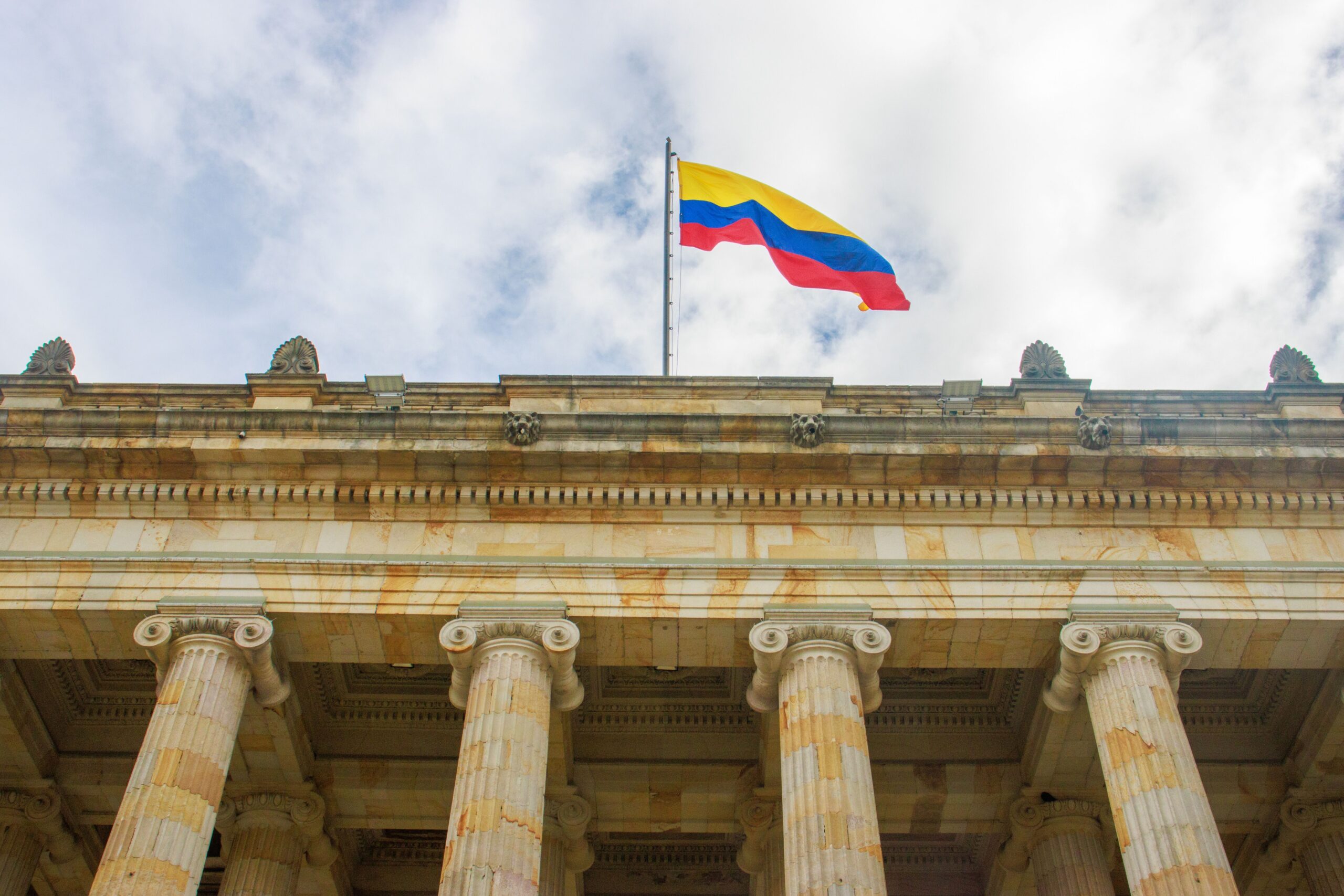
The diplomatic friction is not without official denials. Miller Soto, the official spokesperson for the Presidency of the Republic, categorically denied the claims of rejection on the social media platform X. “What @nytimes is reporting is absolutely false. The Colombian government has not communicated anything of the sort to Washington,” Soto wrote. Despite this public contradiction, the timing of Hegseth’s visit and the reported nature of the discussions suggest a cooling of expectations for deeper operational integration. Hegseth had arrived in Bogotá after an unannounced stop in Caracas, Venezuela, where he met with interim President Delcy Rodriguez and signed a military cooperation agreement focused on fighting terrorism and crime. In Bogotá, Hegseth attempted to downplay the rift, telling reporters that the two governments were “totally aligned” and engaged in “the same battle” against drug trafficking. He emphasized the importance of the Shield of the Americas, a hemispheric cooperation initiative promoted by the United States, and praised the leadership of Colombian military partners.
The legal history of US-Colombia military relations provides context for De La Espriella’s caution. In 2010, Colombia’s Constitutional Court ruled that a 2009 defense agreement, which granted American personnel access to Colombian military facilities, required congressional approval and constitutional review. This precedent underscores the constitutional scrutiny that any new agreement involving direct combat roles would face. For the Colombian government, the distinction between training and equipping foreign forces—areas where cooperation remains strong—and deploying troops for joint combat is a matter of national sovereignty and legislative procedure. The recent completion of a major training exercise and the meeting between Gen. Dan Caine, chairman of the Joint Chiefs of Staff, and top Colombian military leaders in Bogotá indicate that institutional channels remain open, but the scope of those channels is currently limited by domestic political realities.
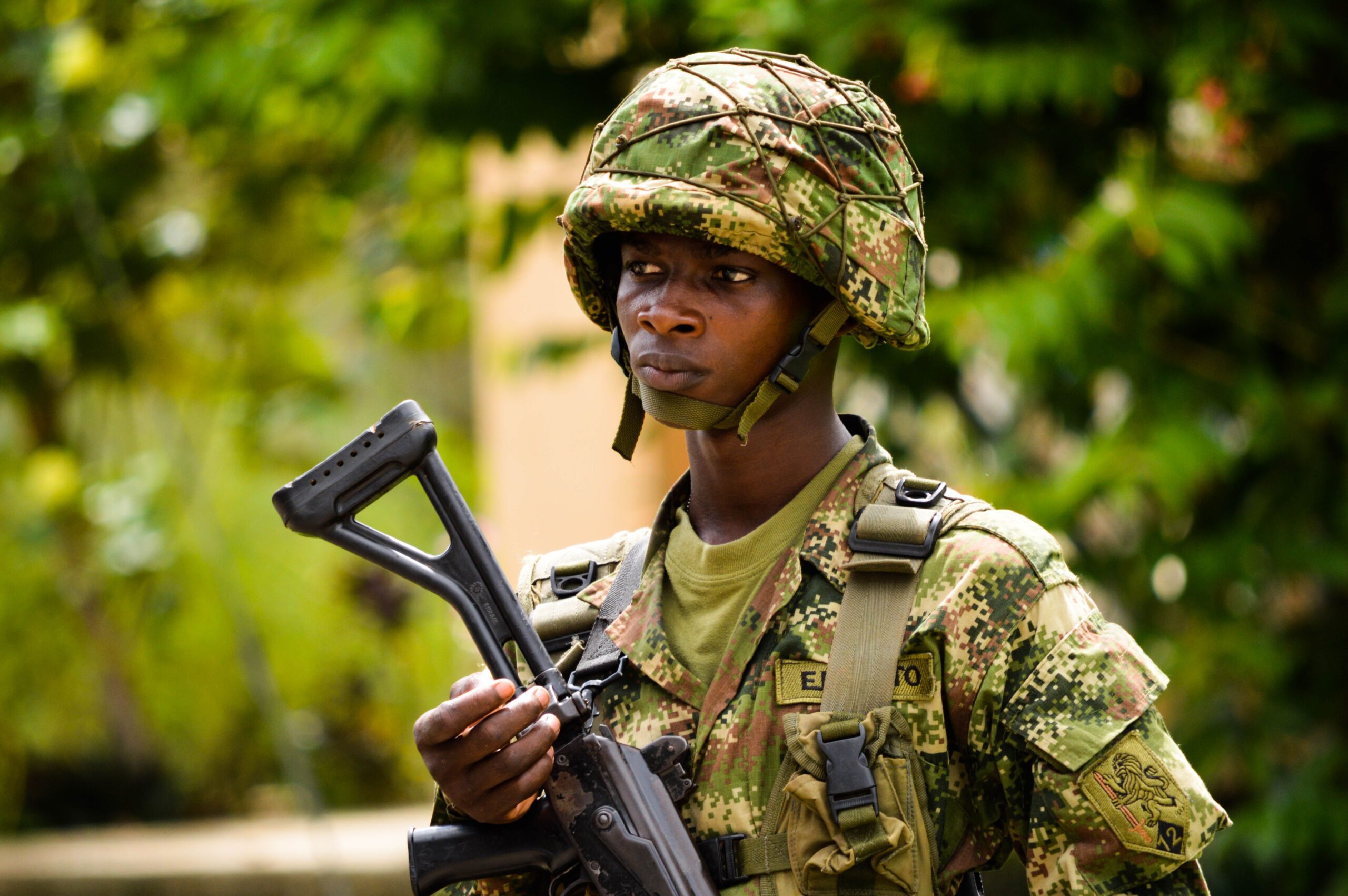
The implications of this development extend beyond a single bilateral relationship. Reports suggest that some Trump administration officials, including White House Chief of Staff Stephen Miller, have been pushing for broader military incursions into other regions, including Mexico, to target cartels, often over the objections of local governments. Colombia’s stance serves as a test case for the limits of unilateral or semi-bilateral military expansion in the hemisphere. While the US continues to support Colombia in restoring security, as Defense Minister Mora stated, the path to direct joint operations is blocked by the legislature. The next critical moment will be to observe whether the US administration adjusts its diplomatic approach to work within these legislative constraints or if it seeks alternative legal frameworks that bypass the need for explicit congressional consent in partner nations. For now, the Hercules C-130 stands in Bogotá, a symbol of continued logistical support, while the prospect of joint ground strikes remains stalled in the halls of the Colombian Congress.