
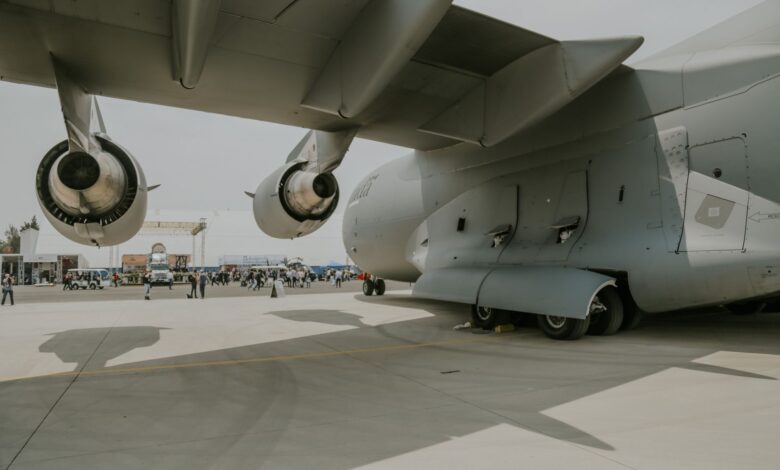
The specific targets of the Iranian strikes were identified as U.S. drone and missile facilities located at a Kuwaiti air base. This choice of target is operationally significant, as it directly threatens the logistical and strike capabilities of U.S. forces in the region. By aiming at drone and missile infrastructure, Iranian forces appear to be seeking to degrade the immediate operational capacity of American assets deployed in the Gulf. The simultaneous targeting of facilities in both Kuwait and Bahrain indicates a coordinated effort to pressure multiple U.S. forward bases simultaneously, rather than focusing on a single location. This multi-front approach complicates the defensive posture of U.S. forces, requiring resources to be spread across different sovereign territories within the Gulf coalition.
The timing of these attacks is notable for its deviation from the established pattern of the past two months. During this interim period, there were no reported instances of Iran launching attacks on U.S. targets. This lull, while not a formal ceasefire, represented a de-escalation in direct kinetic exchanges. The return to hostilities suggests that the underlying tensions driving the conflict have not been resolved and that the temporary pause was likely tactical rather than strategic. The fact that the attacks occurred in “recent days” implies a rapid re-escalation, potentially in response to specific triggers or shifts in the broader geopolitical landscape, although the specific catalysts for this renewed aggression are not detailed in the available reports.
From a strategic perspective, the targeting of drone and missile facilities highlights the vulnerability of forward-deployed U.S. air power in the region. While U.S. forces maintain robust air defense systems, the ability of Iranian forces to strike these specific assets underscores the reach and persistence of their missile and drone capabilities. The involvement of both Kuwait and Bahrain, key U.S. allies hosting significant American military presences, adds a layer of diplomatic complexity. The attacks not only target U.S. interests but also implicate the host nations in the direct conflict, potentially straining the security commitments and political relationships that underpin the U.S. military presence in the Gulf.
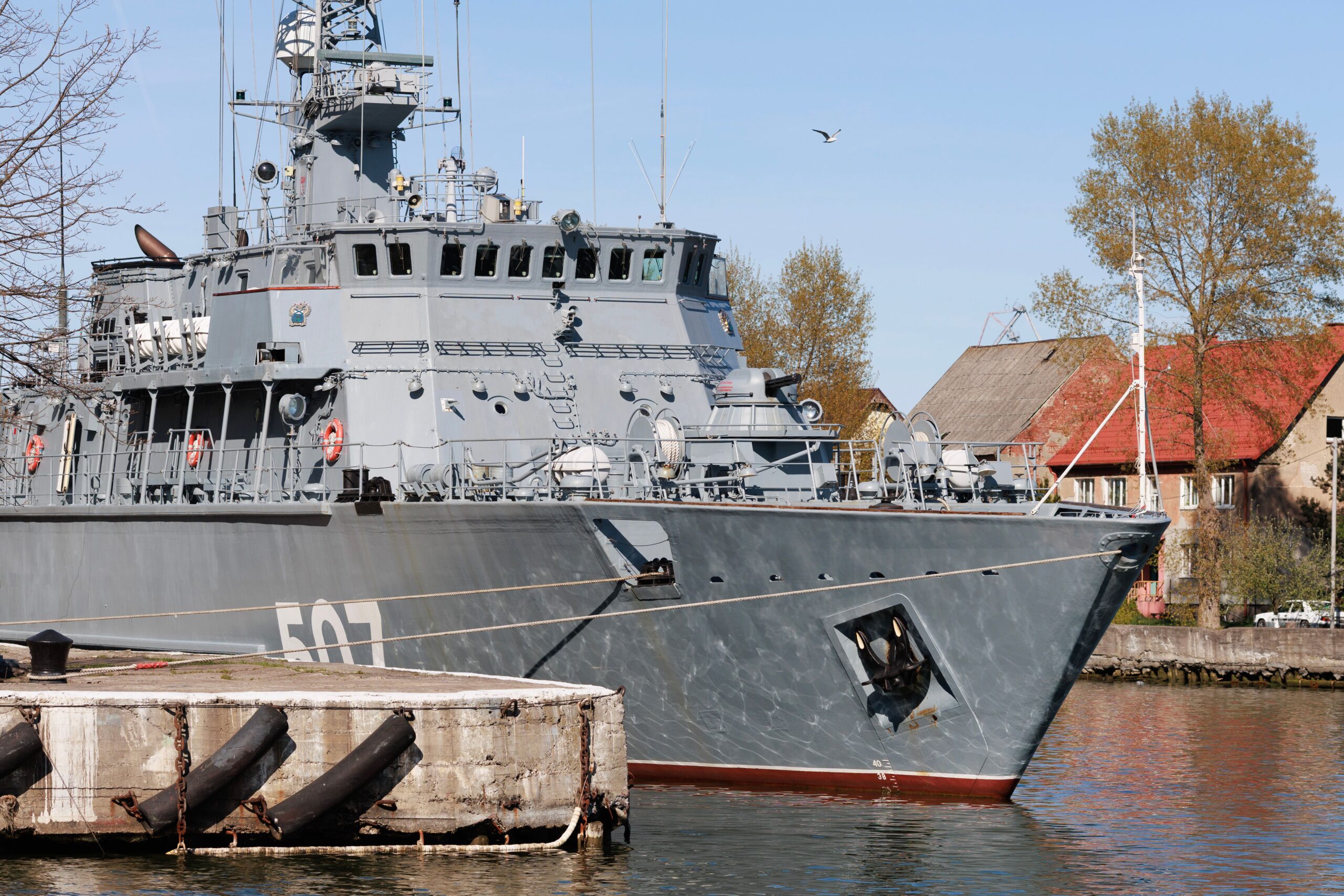
The immediate military objective of the Iranian strikes appears to be the disruption of U.S. operational tempo and the demonstration of the ability to strike at will despite the recent lull. By hitting drone and missile sites, Iran aims to limit the U.S. ability to conduct rapid response operations or sustained surveillance in the area. However, the effectiveness of these strikes in achieving a lasting degradation of U.S. capabilities is uncertain. U.S. forces are likely to respond with both defensive measures and potential counter-strikes, which could further escalate the conflict. The lack of information regarding specific damage or casualties limits the ability to assess the immediate tactical success of the Iranian attacks, but the mere fact of the strikes succeeding in reaching their targets is a significant development in the ongoing confrontation.
The broader implications of this escalation are considerable for regional security. The two-month lull had offered a window for diplomatic efforts or at least a reduction in the risk of accidental war. Its abrupt end suggests that such efforts have failed or that the conditions for de-escalation no longer hold. For U.S. allies in the Gulf, the attacks reinforce the perception of vulnerability and the need for enhanced defensive postures. This may lead to a further buildup of U.S. forces in the region, including additional air defense systems and naval assets, to protect the bases in Kuwait and Bahrain. The cycle of attack and response risks drawing the region into a wider conflict, with potential spillover effects on neighboring countries and global energy markets.
As the situation unfolds, the focus will likely shift to the U.S. response to the strikes. The specific nature of any retaliatory actions, whether they involve kinetic strikes on Iranian territory or other forms of pressure, will determine the trajectory of the conflict. The targeting of drone and missile facilities in Kuwait and Bahrain serves as a stark reminder of the persistent threats faced by U.S. forces in the region. The two-month lull, while welcome, proved to be a temporary reprieve rather than a lasting solution. The renewed hostilities underscore the need for a comprehensive strategy that addresses the root causes of the conflict and ensures the safety of U.S. personnel and their allies in the Gulf. The next confirmed development will likely involve official U.S. statements on the damage sustained and the planned response, setting the stage for the next phase of this escalating confrontation.



One Comment