The legal foundation of this case rests on the 1948 Genocide Convention, an international treaty that defines genocide as acts committed with the specific intent to destroy, in whole or in part, a national, ethnic, racial, or religious group. The principal legal question before the court is whether the actions of Myanmar’s military during the 2017 offensive meet this high threshold of “specific intent.” Under this convention, the court must distinguish between severe human rights violations and war crimes on one hand, and the specific crime of genocide on the other. The distinction is procedural and substantive: while the International Criminal Court (ICC) has the mandate to try individuals for such crimes, the ICJ settles disputes between states. Therefore, the ICJ’s role is to determine state responsibility rather than individual culpability.
The Gambia, a Muslim-majority West African nation, initiated the case in November 2019 with the backing of the Organisation of Islamic Cooperation. The accusation stems from a 2017 military crackdown that resulted in the displacement of at least 730,000 Rohingya, who are predominantly Muslim, from Buddhist-majority Myanmar into Bangladesh. Survivors of the offensive have provided accounts of killings, mass rape, and the burning of villages. These testimonies were corroborated by a UN fact-finding mission, which concluded that the campaign included “genocidal acts.” The Gambia argues that these actions demonstrate that Myanmar bears state responsibility for genocide, seeking an order for Myanmar to prosecute those responsible, provide reparations, and ensure the safe return of the Rohingya.
In response, Myanmar firmly denies the charges of genocide. The state argues that its forces acted legitimately in response to attacks by armed groups, characterizing the military operations as a necessary security measure rather than a campaign of destruction. Central to Myanmar’s defense is the argument that there is no direct evidence of an intent to destroy the Rohingya as a group. This legal defense challenges the very core of the Genocide Convention’s definition, insisting that the lack of documented intent to annihilate the group negates the charge of genocide regardless of the severity of the violence inflicted.
The significance of this judgment extends beyond the immediate parties involved. The ICJ has never previously held a state responsible for committing genocide. In a notable 2007 ruling regarding the 1995 Srebrenica massacre in Bosnia, the court found that Serbia had failed to prevent the killing of more than 8,000 Muslim men and boys, but ruled that Serbia had not itself committed the crime of genocide. Consequently, this potential first ruling sets a powerful precedent for other ongoing or future cases, including South Africa’s case accusing Israel of genocide in Gaza. The interpretation the court applies to “specific intent” and “state responsibility” will likely be cited in these and other disputes, shaping how international law addresses state-sponsored violence.
While the ICJ’s judgments are final and cannot be appealed, the court possesses very limited means of enforcement. If Myanmar chooses to ignore the ruling, The Gambia has indicated it could request the UN Security Council to take action. This procedural limitation highlights a persistent challenge in international law: the gap between judicial authority and political enforcement. The judgment will not only define the legal status of the 2017 events but will also test the practical efficacy of the international legal system in compelling state compliance.
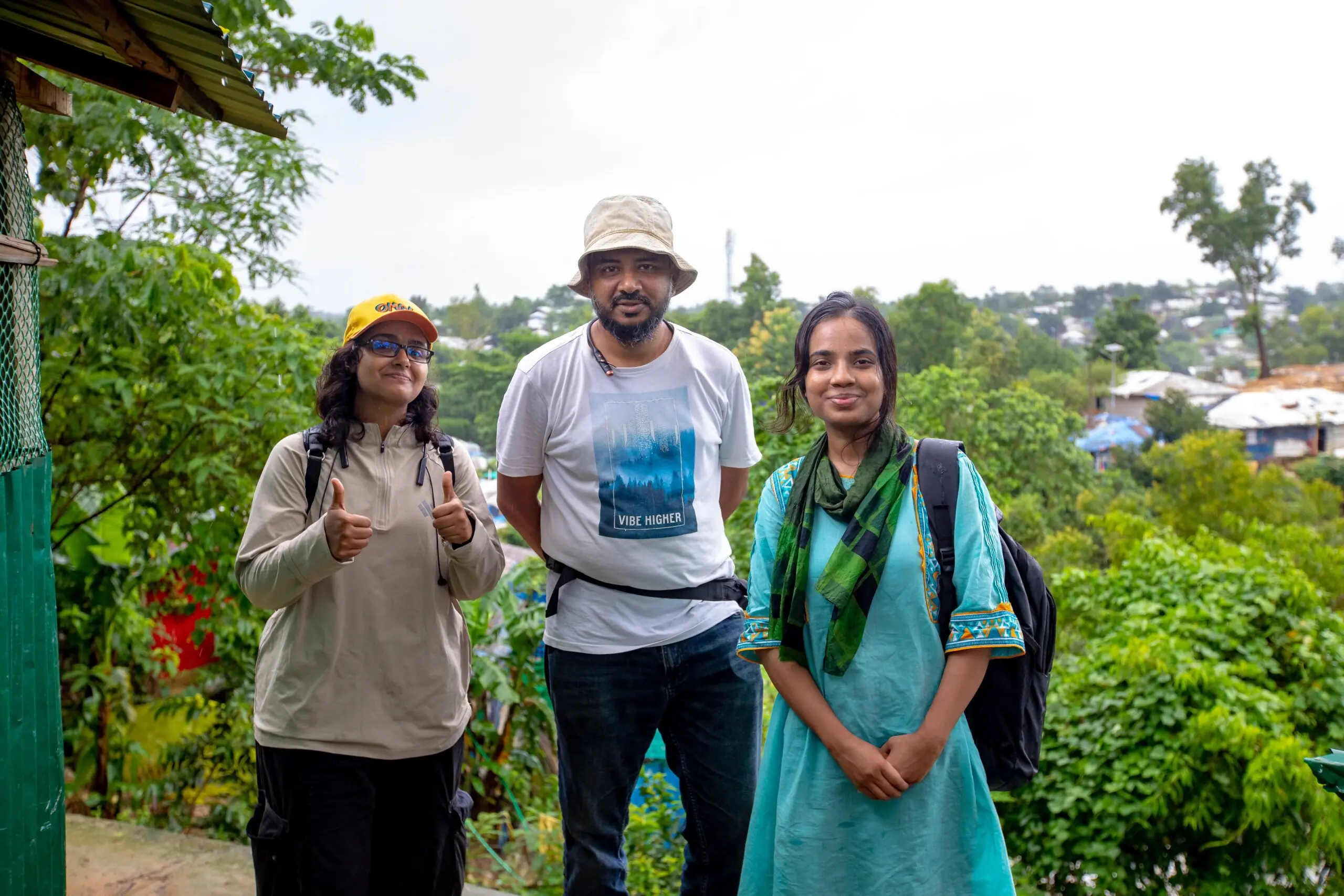
The human consequences of the 2017 offensive remain stark and ongoing. Approximately 1.2 million Rohingya currently reside in the Cox’s Bazar refugee settlement in Bangladesh, where many are expected to follow the judgment closely. Meanwhile, roughly 550,000 Rohingya remain within Myanmar, facing severe restrictions on their movement, access to healthcare, and livelihoods. The Gambia has sought reparations on behalf of these individuals, a claim Myanmar disputes, arguing that The Gambia lacks the standing to seek such compensation for the Rohingya people. This dispute over standing and reparations adds another layer of complexity to the legal and humanitarian fallout of the conflict.

As the judges prepare to deliver their verdict, the focus remains on the precise legal language they employ. Whether the court finds that Myanmar committed genocide, or merely failed to prevent it, or finds no violation at all, the decision will carry profound implications for the rule of law. The outcome will determine how the international community understands the boundaries of state sovereignty and the protection of minority groups under international law. For the Rohingya, the judgment represents a formal acknowledgment of their suffering by the world’s highest judicial body, even as the practical path to justice and return remains uncertain.
The reading of the judgment at the Peace Palace will conclude the immediate legal phase of this dispute. While the ICJ cannot try individuals or enforce its orders directly, its ruling will serve as the definitive legal assessment of the 2017 events. The next confirmed legal step, should the court rule against Myanmar and the state fail to comply, lies with the UN Security Council, where political dynamics will determine whether any further international action is taken. Until then, the world awaits the words that will define this chapter of international justice.