
The launch, which began on Wednesday, November 19, after more than a year of delays, has generated what industry observers are describing as “feverish” demand. Early data suggests the title is performing significantly better than its predecessor, Grand Theft Auto V, which was released more than 13 years ago. This immediate commercial success has prompted major brokerage firms to raise their estimates for Take-Two’s fiscal year, which runs through March.
Revised Forecasts and Revenue Projections
The most significant upgrade came from Wells Fargo, which lifted its annual bookings forecast for Take-Two by 19%, projecting $9.76 billion in revenue for the current fiscal year. This figure stands well above the consensus estimate of $8 billion, as compiled by LSEG, and also exceeds Take-Two’s own prior guidance range of $8 billion to $8.20 billion. Wells Fargo attributed this upward revision primarily to an increased expectation for unit sales, raising its estimate from 35 million units to 65 million for the current fiscal year. The brokerage noted that this projection is further bolstered by expectations for a potential PC release of the game in early 2027.
Oppenheimer provided a granular look at the launch window, estimating that GTA VI will generate approximately $1.85 billion in gross revenue in its first three days. To put this in context, the previous installment, GTA V, recorded $1 billion in sales during its initial release period. While Oppenheimer’s figure refers to gross revenue rather than net bookings, it highlights the substantial scale of the immediate cash flow event. Independent tracking data from Sensor Tower indicates that roughly 17.1 million units had been sold as of early Wednesday morning, a volume that far exceeds the pre-order levels of any other major game release in recent history.
Market Reaction and Investor Sentiment

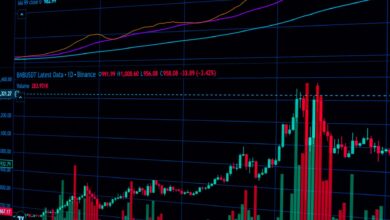
The stock’s gain in premarket sessions reflects a bet by institutional and retail investors that glowing reviews from critics and players will translate into sustained sales velocity. The narrative surrounding the release has been characterized by extreme consumer engagement, with reports of players taking paid time off to ensure uninterrupted playtime. For Take-Two, this translates into a near-term boost to bookings and revenue, which are key metrics for the video game sector, as many titles are sold upfront rather than through subscriptions.
However, the market’s enthusiasm has not been uniform. While the majority of financial coverage highlights the upside potential, some analysts are urging caution. One prominent investment view, published on Seeking Alpha, rated Take-Two a “Sell,” assigning a fair value of $163. This bearish perspective argues that the current rally is driven by “hype” surrounding the launch and that the company’s long-term competitive advantage, or “moat,” is shrinking.
Long-Term Structural Risks
Critics of the stock’s current valuation point to emerging technological threats. The bearish case suggests that AI-powered game development tools could disrupt the traditional business model, potentially reducing sales from recurrent consumer spending by $500 million by fiscal year 2031. This argument implies that while GTA VI will be a massive short-term hit, it may not be immune to the broader structural shifts in how software is created and consumed. The debate highlights a common tension in the tech sector: the distinction between immediate, event-driven revenue spikes and the durability of a company’s long-term earnings power in the face of technological change.
Economic Context and Industry Implications

For the broader economy, the release of a title of this magnitude represents a significant consumer spending event. The upfront nature of game sales means that a large portion of the revenue is recognized immediately, providing a clear, short-term boost to Take-Two’s financial statements. This contrasts with subscription-based models, where revenue is recognized over time. The success of GTA VI also underscores the continued dominance of premium, high-budget “AAA” titles in the gaming market, despite the growth of free-to-play and mobile gaming segments.
The distinction between the immediate market reaction and long-term structural effects is crucial for investors. While the 6% jump in premarket trading reflects the immediate impact of the positive sales data, the longer-term trajectory of the stock will depend on whether Take-Two can maintain its market share against both emerging indie developers and the potential impact of AI tools. The company’s ability to leverage the goodwill and revenue from GTA VI into future releases will be the key determinant of its sustained performance.
Outlook
As the initial launch period concludes, attention will shift to the company’s next earnings report, where it is expected to provide updated guidance based on actual sales figures. Investors will be watching closely for any changes in the company’s outlook for the remainder of the fiscal year, particularly regarding the timing and impact of the anticipated PC release. The resolution of the debate between the bullish “super-cycle” narrative and the bearish “structural decline” thesis will likely require several quarters of data to definitively determine.
The next critical data point will be the first full-week sales figures, which will provide a clearer picture of whether the initial spike in demand is sustained or if it follows the typical decay curve seen in other major releases. Additionally, any commentary from Take-Two management regarding the competitive landscape and the integration of AI in their development pipeline will be closely scrutinized by the market.