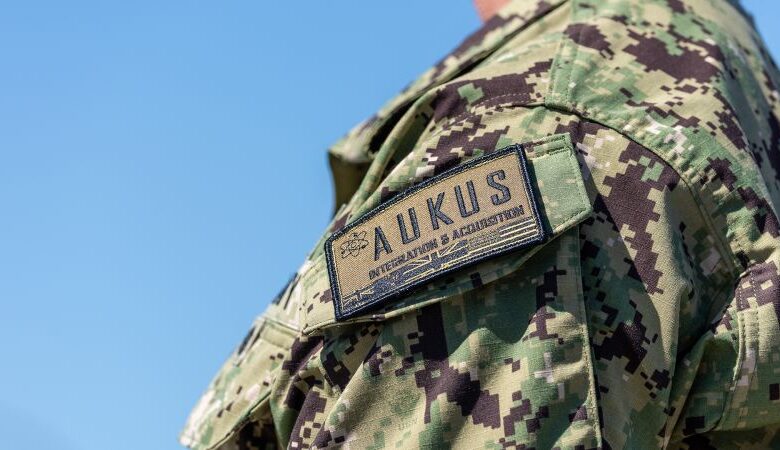
The AUKUS partnership, announced in September 2021 by the leaders of Australia, the United Kingdom, and the United States, was designed to support a free and open Pacific region through deeper information sharing and technology integration. The agreement rests on two primary pillars: the first involves supporting Australia’s acquisition of nuclear-powered submarines, and the second focuses on enhancing joint capabilities in cyber, artificial intelligence, quantum technologies, and undersea defense. While the strategic intent is clear, the practical execution has become a subject of intense debate, particularly in Australia, where the financial and environmental stakes are highest.
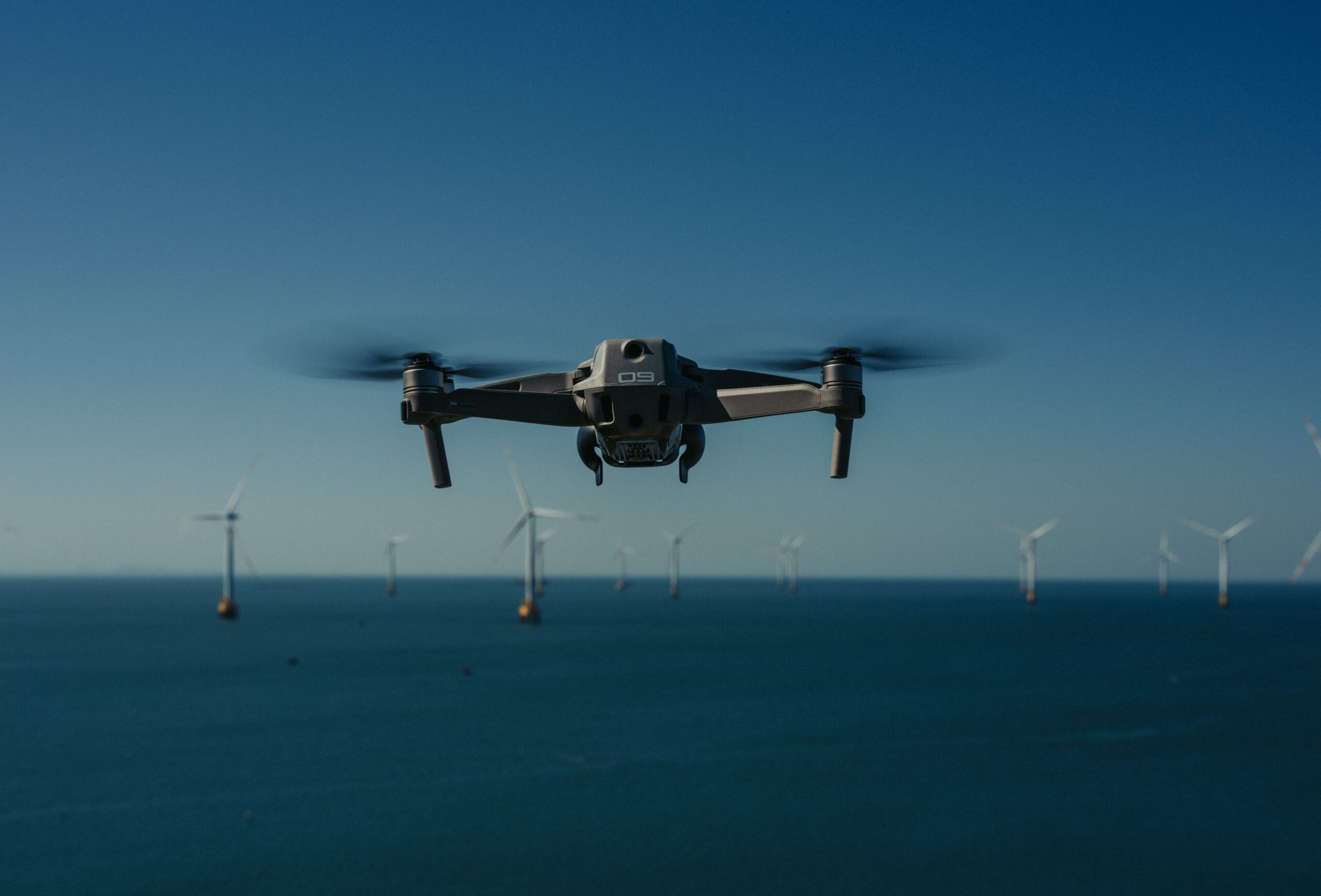
At the security summit in Singapore, the three nations unveiled their first signature project under Pillar Two: the development of advanced UUV technology aimed at protecting critical undersea cables and boosting naval defense. The systems are expected to be ready by next year, with components beginning to arrive by 2027. The UK has committed £150 million ($201 million) to this effort. The technology is intended to conduct surveillance, reconnaissance, and logistics operations, as well as protect seabed infrastructure. Healey emphasized that these capabilities are necessary to counter threats to undersea cables and pipelines, citing a 30% rise in incidents attributed to Russia. The US and UK also framed this initiative as a vital component of deterrence in the Pacific, Atlantic, and High North waters.
However, in Australia, the focus remains on the more costly and complex Pillar One: the nuclear submarine program. The agreement includes a naval nuclear propulsion framework that establishes the legal basis for sharing information and equipment related to conventionally armed, nuclear-powered submarines. Australia is preparing to host allied nuclear-powered submarines at HMAS Stirling in Western Australia, with rotations beginning as early as 2027. This arrangement, known as Submarine Rotational Force-West, will see UK and US submarines visiting Australian waters before Australia begins receiving secondhand nuclear submarines in 2032.
The independent inquiry, launched by a group of Labor veterans and public figures under the auspices of the Australian Peace and Security Forum, was prompted by concerns that proper scrutiny has never been applied to the deal. Former environment minister and “Midnight Oil” frontman Peter Garrett, who has previously described the plan as “the most costly and risky action ever taken by any Australian government,” will serve as the lead commissioner. The five-month investigation will hold public hearings and accept written submissions before delivering a final report by October 30. Key areas of inquiry include whether the submarines can be delivered on time and on budget, how nuclear waste will be managed, and whether the strategic interests of Australia are genuinely being served.
The political landscape surrounding AUKUS is complex. While the current Labor government agreed to support the deal, which was negotiated under the previous Morrison government, dissent exists within the party. Former Prime Minister Paul Keating and various civil society groups argue that the pact is not in Australia’s best interest. Deputy Prime Minister and Minister for Defense Richard Marles has defended the continued partnership, arguing that leaving AUKUS would come close to deciding not to acquire the submarines at all, effectively making it “plan C” for Australia. Marles maintains that staying within the trilateral framework is the only viable route to nuclear propulsion technology.
The challenges of implementation are not limited to domestic politics. The US must make Virginia-class submarines available while simultaneously increasing production for its own Navy, while the UK must expand its submarine program while delivering the Dreadnought class. These industrial pressures raise questions about the feasibility of the timelines set for AUKUS. The US Department of War has highlighted the importance of the partnership for national security, with Secretary Pete Hegseth meeting with Australian counterparts to reinforce the commitment. Yet, the gap between high-level diplomatic assurances and the operational reality of building a workforce and safety infrastructure for a fleet Australia will not own for years remains a critical tension point.

The broader geopolitical context underscores the stakes. AUKUS is widely viewed as a mechanism to counter China’s growing maritime presence in the Indo-Pacific, particularly in disputed territories such as the South China Sea. The integration of advanced technologies like AI and quantum computing is intended to maintain a technological edge. However, the domestic scrutiny in Australia suggests that the consensus supporting this strategic shift is fraying. As the inquiry moves forward, the focus will shift from the promise of a “secure and stable” Pacific to the tangible costs, risks, and deliverables of the agreement.
For Peter Garrett and the inquiry team, the work ahead is to mirror the scrutiny applied in the UK and US, where parliamentary reviews and Pentagon inquiries have already taken place. The final report will likely determine whether AUKUS is viewed as a necessary strategic investment or a costly burden for Australia. Until then, the partners continue to announce new capabilities, such as the UUVs in Singapore, while the question of whether the deal delivers on its core promise of nuclear-powered submarines remains unresolved in the Australian public discourse.