These measures represent a significant escalation in the regulatory environment for the global AI industry. The primary practical effect is a bifurcation of the technology ecosystem, where US-based companies face greater constraints on international expansion of their data processing capabilities. For firms relying on cross-border data flows, the presidential warning suggests that future projects abroad may face increased scrutiny or political risk. The simultaneous tightening of chip export controls reinforces this trend, ensuring that the most powerful computing hardware remains largely within the jurisdictional reach of US trade policy.
Technically, the focus on advanced AI chips highlights the critical dependency of modern large language models and generative AI systems on high-end graphics processing units and specialized accelerators. By restricting the export of these specific components, the US aims to maintain a technological edge in training next-generation models. The move distinguishes between standard commercial hardware and advanced AI-specific chips, targeting the core computational resources required for cutting-edge research and deployment. This strategic approach separates official policy directives from market-driven supply chain adjustments, as companies must now navigate a more complex landscape of compliance requirements.

Background on the US-China AI competition reveals a long-standing rivalry in semiconductor design and machine learning capabilities. Previous export controls have already impacted the availability of top-tier chips in certain markets, forcing local manufacturers to seek alternatives or adapt their architectures. The current phase builds upon these earlier restrictions, adding a dimension of physical infrastructure location to the existing hardware supply constraints. Analysts note that while these policies are designed to secure national security interests, they also introduce uncertainty for multinational technology firms operating globally.
The distinction between announced policy shifts and immediate market impact remains a key area of observation. While the export rules are official regulatory actions, the warning regarding data centres reflects a broader strategic stance that may influence investment decisions in the coming months. Companies are expected to reassess their global footprints, potentially delaying or modifying plans for overseas data centre projects in response to the stated presidential concerns. This shift marks a departure from purely commercial considerations, embedding AI infrastructure decisions within the framework of national security and diplomatic relations.
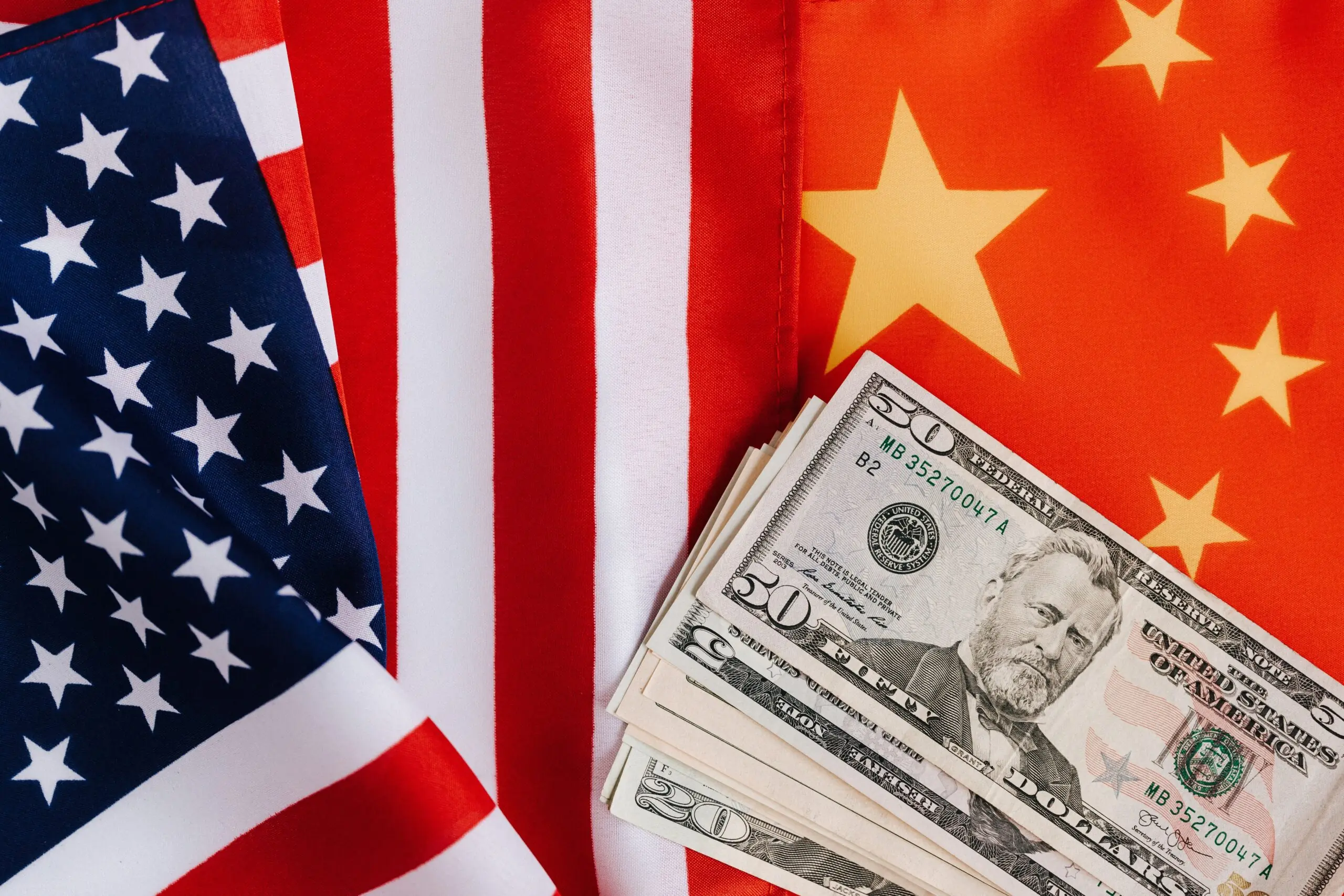
The next major development in this domain will likely involve the specific enforcement mechanisms for the new chip export rules and any further guidance from the US government on data centre locations. Industry leaders are watching for regulatory updates that clarify the scope of the warnings and the compliance requirements for existing and future projects. As the US and China continue to compete for dominance in artificial intelligence, these policy moves will shape the trajectory of global tech innovation and international cooperation in the sector.