
The expulsion is not merely a diplomatic protest but a concrete enforcement action based on findings by the Danish Security and Intelligence Service (PET). According to PET, the plot to kill the rapper was executed with the assistance of “Loyal to Familia,” a street gang and criminal network that has been banned in Denmark since 2021. The agency stated that it suspected Russian intelligence services of attempting to carry out an “execution” on Danish soil. Rasmus Kieffer-Kristensen, the head of PET, noted that while such direct assassination attempts are unprecedented in Denmark, they signal a shift in Russian behavior. “A Russian assassination attempt is not something we’ve seen in Denmark before, and that gives me an impression of an increasingly aggressive and risk-taking Russia,” Kieffer-Kristensen told journalists. The involvement of a local criminal group highlights the evolving nature of hybrid attacks, where state actors leverage non-state actors to obscure their direct involvement.
The operational details provided by police and court documents offer a clear timeline of the thwarted plot. Three individuals were stopped in a car near the music venue on September 25. The vehicle contained weapons, and two of the individuals were placed under formal investigation. One of the arrested men had purchased a ticket to the performance, suggesting a level of infiltration into the event’s logistics. The rapid cancellation of the concert and the immediate legal proceedings underscore the severity with which Danish authorities are treating this breach of sovereignty. For the local community and the broader European public, the incident serves as a tangible reminder that the conflict in Ukraine is spilling over into domestic European security.
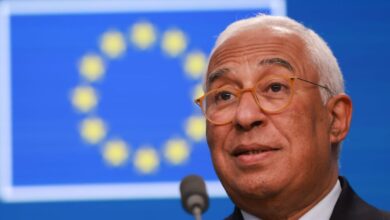
Politically, the Danish government has framed this event as part of a wider pattern of aggression. Prime Minister Mette Frederiksen described Russia as “cornered,” acting with a “greater propensity to take risks.” Her administration has linked this incident to previous hybrid operations, including the drone incidents that shut down Copenhagen airport for hours in September 2025 and PET’s September report that Russia was recruiting Danish citizens to sabotage firms tied to Ukraine. By connecting these disparate events, Copenhagen is constructing a narrative of systematic destabilization. This framing is consistent with international diplomatic language, with European Council President Antonio Costa calling the attempt “unacceptable” and promising the EU’s “full backing” against Russian hybrid attacks.
The economic and logistical implications of this escalation are beginning to manifest in policy discussions. Minister Rasmussen indicated that Denmark is considering suspending Schengen visas for Russian nationals. Such a measure would affect the movement of Russian citizens within the Schengen area, potentially impacting trade, tourism, and diplomatic channels. While the immediate economic shock of a single visa suspension is limited, it represents a tightening of the broader array of sanctions and restrictive measures that have characterized the EU’s response to the war in Ukraine. Businesses and individuals relying on cross-border mobility within Europe may face increased scrutiny and administrative hurdles as member states align their security postures.
Russia’s response has been one of denial and counter-accusation. Maria Zakharova, spokeswoman for the Russian Foreign Ministry, stated that Moscow would give an “appropriate response,” without specifying the nature of such actions. The Russian embassy in Copenhagen labeled the expulsion “vengeful” and criticized Denmark for failing to present “any evidence of Russia’s involvement in this mysterious crime.” This disagreement highlights the challenge of verifying intelligence-based claims in a high-tension geopolitical environment. While Denmark relies on the testimony of its intelligence agency and the physical evidence of weapons found in the vehicle, Russia disputes the causal link between the local gang and the state. This evidentiary gap remains a central point of contention, with Western officials viewing the local gang’s involvement as a hallmark of deniable state-sponsored hybrid warfare.
The situation in Copenhagen now stands at a precipice that could define the next phase of European-Russian relations. The expulsion of the defence attaché is a significant diplomatic rupture, given that defence attachés play a crucial role in military-to-military communications. Its removal removes a key channel of dialogue, potentially increasing the risk of miscalculation. As Denmark moves to enforce the seven-day deadline for the diplomat’s departure, the focus shifts to whether the visa suspension will proceed. This decision will test the resolve of the Danish government to impose further costs on Russian actors operating in Europe. For the households and businesses in the Copenhagen suburbs where the concert was planned, the immediate impact is one of heightened security awareness, but the wider economic signal is one of increased friction and isolation in the trans-Atlantic security framework.
The next critical development will be the formal notification of the visa suspension decision and any subsequent Russian retaliatory measures. The presence of banned gangs in intelligence plots complicates the legal and diplomatic landscape, requiring careful navigation by law enforcement and diplomats alike. As the two men face trial, the case will serve as a test case for how European courts handle charges of assisting foreign intelligence services, setting precedents that could influence future prosecutions in the region. The convergence of criminal justice, intelligence gathering, and diplomatic retaliation in this single event encapsulates the modern reality of hybrid conflict, where the lines between crime, war, and diplomacy are increasingly blurred.


One Comment