The strategic significance of this development lies in the collapse of the diplomatic framework that had temporarily stabilized energy markets and provided a pause in hostilities against critical civilian assets. Following a meeting with President Trump and Chinese President Xi Jinping at the APEC summit on Thursday, Russian President Vladimir Putin stated that Russia would not negotiate in the aftermath of Ukraine’s strikes on the Crimean Bridge. This declaration signaled a shift from tactical deterrence to a broader operational campaign aimed at degrading Ukraine’s resilience and infrastructure capacity. The Russian Defense Ministry confirmed that the targets included energy infrastructure in Kyiv and six other regions, aligning with Zelenskyy’s assertion that “absolutely all the targets were ordinary civilian infrastructure – things that literally sustain people’s lives.”
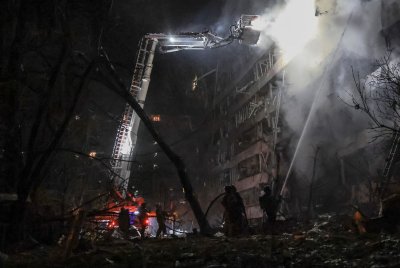
Operational details provided by Zelenskyy indicate a massive saturation attack involving more than 400 drones and over 110 missiles. Of these, 27 were identified as ballistic missiles, a significant deployment of long-range kinetic assets that suggests a deliberate effort to overwhelm Ukraine’s air defense systems. The attack resulted in power cuts in the capital and three western regions, with damage reported to three bridges and a critical infrastructure facility. Zelenskyy also accused Russian forces of employing “double-tap strikes,” a tactic where secondary missiles or drones target areas already hit by primary strikes, often while emergency responders are present. This method has been widely criticized for violating the principles of distinction and proportionality under international humanitarian law, as it targets those responding to the initial impact rather than military objectives.

The diplomatic fallout from the strike has been immediate and severe. NATO Secretary General Mark Rutte announced that he had spoken with Polish Prime Minister Donald Tusk regarding “grave violations of Polish airspace” during the attack. NATO jets were scrambled in response to the incursions. Rutte condemned the actions, stating, “This incident is clearly dangerous — a consequence of Russia’s ongoing war against Ukraine,” and reaffirmed the alliance’s commitment to deter and defend. France, for its part, requested an emergency meeting of the UN Security Council. French Foreign Minister Jean-Noel Barrot described the strikes as “crimes” and emphasized that Paris had demanded accountability from Moscow. These diplomatic reactions underscore the strategic risk of the conflict spilling over into NATO territory, even if unintentionally, and the potential for further escalation along the alliance’s eastern flank.
Concurrently, the conflict is influencing regional security postures beyond the immediate theater. The government of Estonia announced that road border crossings with Russia would be shut from December 1 on security grounds. Foreign Minister Margus Tsahkna clarified that this was not a reaction to a single incident but a calculated step following “the increasing frequency of sabotage and hybrid operations in Europe.” The Kremlin, through Foreign Ministry spokeswoman Maria Zakharova, rejected these measures, accusing Tallinn of erecting a new “Iron Curtain” and warning of “necessary political and diplomatic measures” in response. This move highlights the growing tension between Baltic states and Russia, reflecting a broader hardening of postures as the war enters its third year.
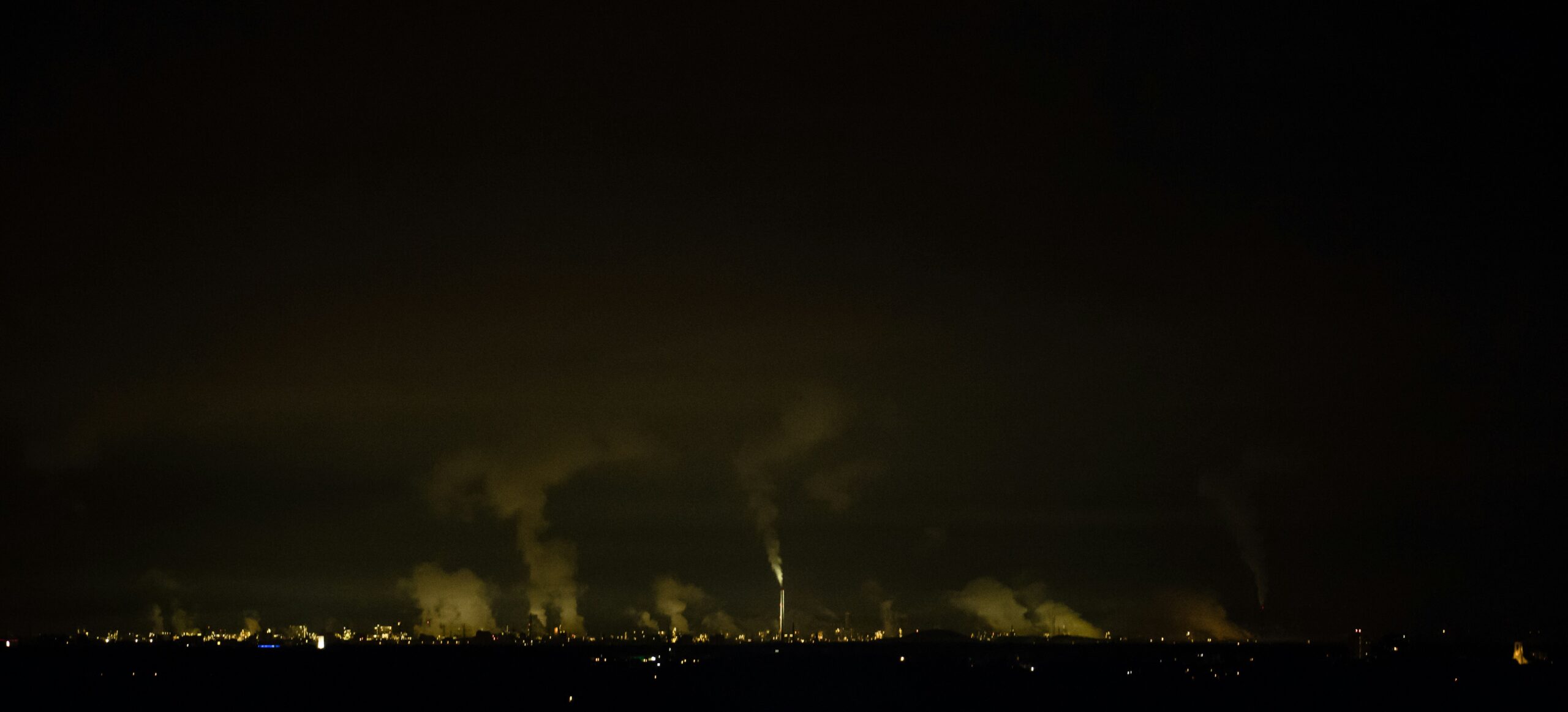
On the military front, Ukraine continues to exert pressure on Russian logistics and industrial capacity. Robert “Magyar” Brovdi, commander of Ukraine’s Unmanned Systems Forces, reported that his units had struck 40 Russian oil facilities and defense industry targets in the past 50 days, with five of these targets hit more than once. He specifically cited the Dorogobuzh chemical plant in Smolensk region, which was struck on November 10 and again on November 20. This sustained campaign of deep strikes demonstrates Ukraine’s ability to project power into Russian territory using drone technology, which has allowed for hundreds of sorties per day. The juxtaposition of Ukraine’s deep-strike capabilities against Russia’s massive counter-strike on Kyiv illustrates a war of attrition where both sides are seeking to degrade the other’s ability to sustain long-term operations.
The unraveling of the energy truce has immediate implications for global markets. The U.S. waiver of sanctions was specifically tied to a diesel deal intended to mitigate price spikes driven by the Iran war. With that diplomatic channel closed, the pressure on energy supplies is expected to intensify. Meanwhile, separate developments in the energy sector continue to unfold, such as Israel’s NewMed Energy signing an exclusivity letter to negotiate for a 60% stake in an unnamed onshore Venezuelan oil company, signaling a continued push for foreign investment in the region despite geopolitical turbulence. However, for Ukraine and its allies, the primary concern remains the safety of civilian infrastructure and the potential for further escalation, as the two sides engage in a cycle of retaliatory strikes that threatens to push the conflict into new and unpredictable phases.