Italy hosted the largest mobilization, with tens of thousands of demonstrators participating in more than 100 cities. The rallies coincided with a general strike organized by CGIL, Italy’s largest trade union, which involved workers in both the private and public sectors, including schools and healthcare. CGIL leader Maurizio Landini stated at a rally in Rome that “the demand for change is growing” among ordinary people across Europe. While most events proceeded peacefully, news agency ANSA reported that demonstrators in Rome threw objects at the Ministry of Education, and clashes occurred between protesters and police in Bologna. In Milan, demonstrators set fire to a cardboard tanker and cardboard figures depicting Israeli Prime Minister Benjamin Netanyahu and US President Donald Trump.
These Italian demonstrations follow a nationwide mobilization on October 17 that resulted in rioting and looting. That previous event prompted the right-wing government of Prime Minister Giorgia Meloni to approve sweeping security measures and deploy the army alongside police for subsequent demonstrations. Student groups have continued to occupy schools and universities, adding opposition to higher military spending to their existing demands for wage increases and service investment. Opposition leaders joined the Friday protests to criticize the government’s budget policies. Elly Schlein, leader of the centre-left Democratic Party, argued that the 2027 Budget Law lacks a vision for the country’s future, noting that it fails to support industries while cutting funding for public healthcare and education.
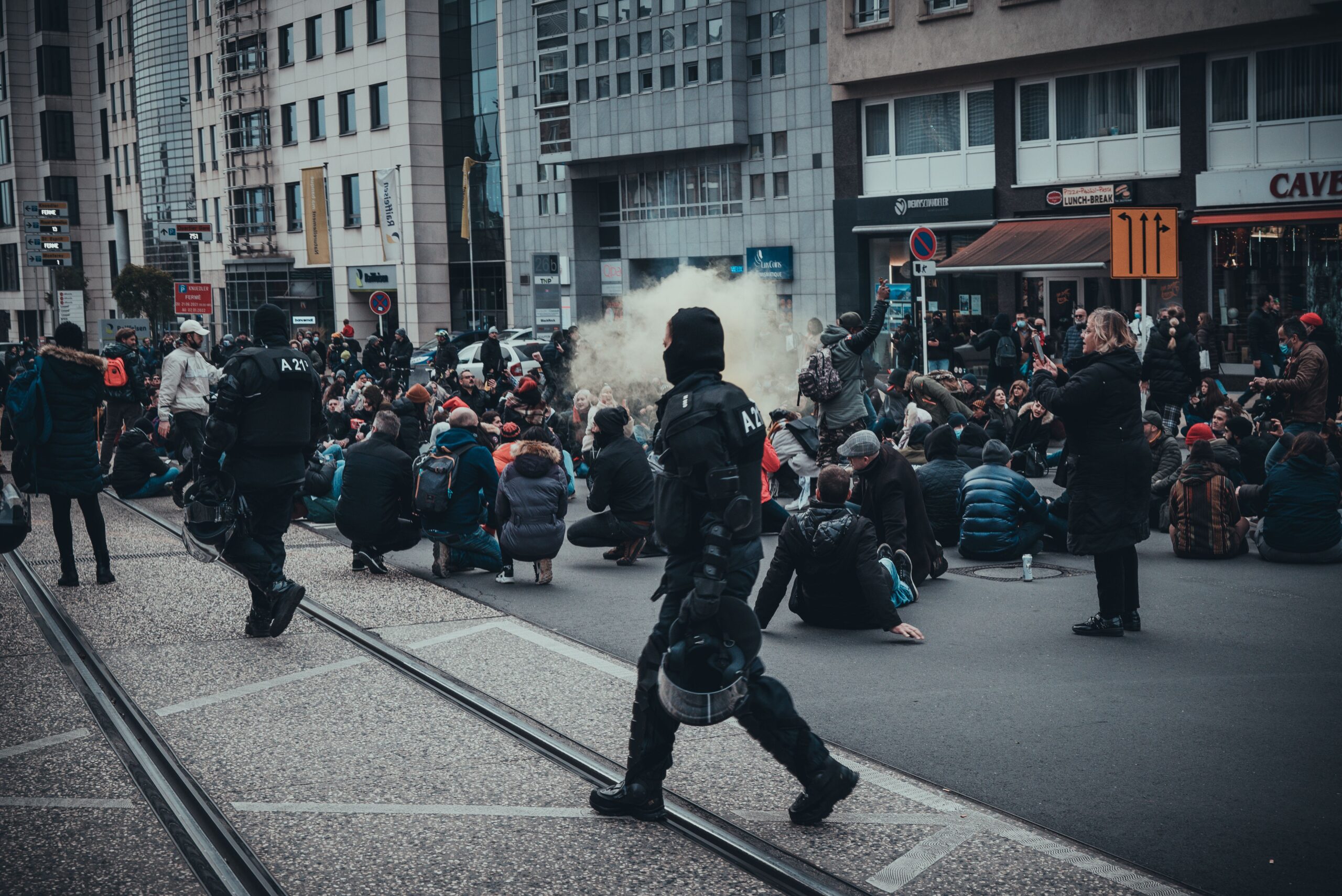
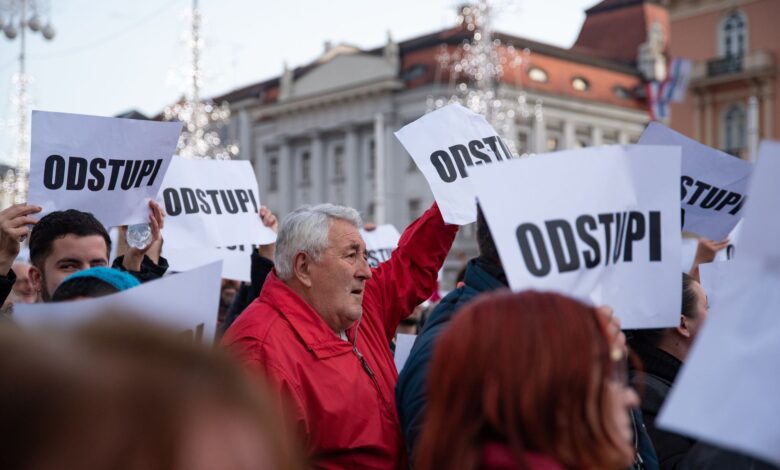
In Germany, the campaign group “Gen Z regelt” (Gen Z sorts it) organized protests in 73 cities and towns. Approximately 4,000 people gathered in Berlin’s Alexanderplatz, while thousands more attended a protest in Cologne, a number police noted was below the expected 5,000. Participants in Germany called for increased education funding and opposed a potential return to compulsory military service. In Austria, several hundred people gathered outside the University of Vienna for a youth-led protest demanding more spending on education and less on weapons. Police dispersed the event after reported disturbances, using pepper spray and making several arrests. Meanwhile, in Croatia, students boycotted classes and staged protests in about a dozen cities, demanding greater investment in education, housing, and public services rather than military expenditure.
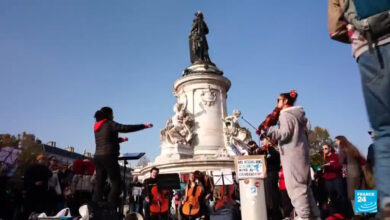
The cross-border protests were inspired by much larger demonstrations in France that began in September and evolved into violent confrontations with police and looting. On Tuesday, France’s Interior Ministry reported that 146,000 people participated in protests across the country, including 28,000 in Paris. The CGT trade union, however, estimated the nationwide total at just over 500,000 demonstrators. Economic data underscores the grievances fueling the unrest. According to Eurostat, the European Union’s statistics agency, the prices of everyday items such as food, energy, transport, and bills have risen by between 59 and 78 percent since 2000 in France, Italy, Spain, and Portugal. Wage data from the OECD, adjusted for inflation, indicates that the average full-time wage in Italy fell by almost 5 percent between 2000 and 2025. In contrast, real wages in those same countries rose by 7 percent in Spain, 11 percent in France, and 20 percent in Portugal over the same period.