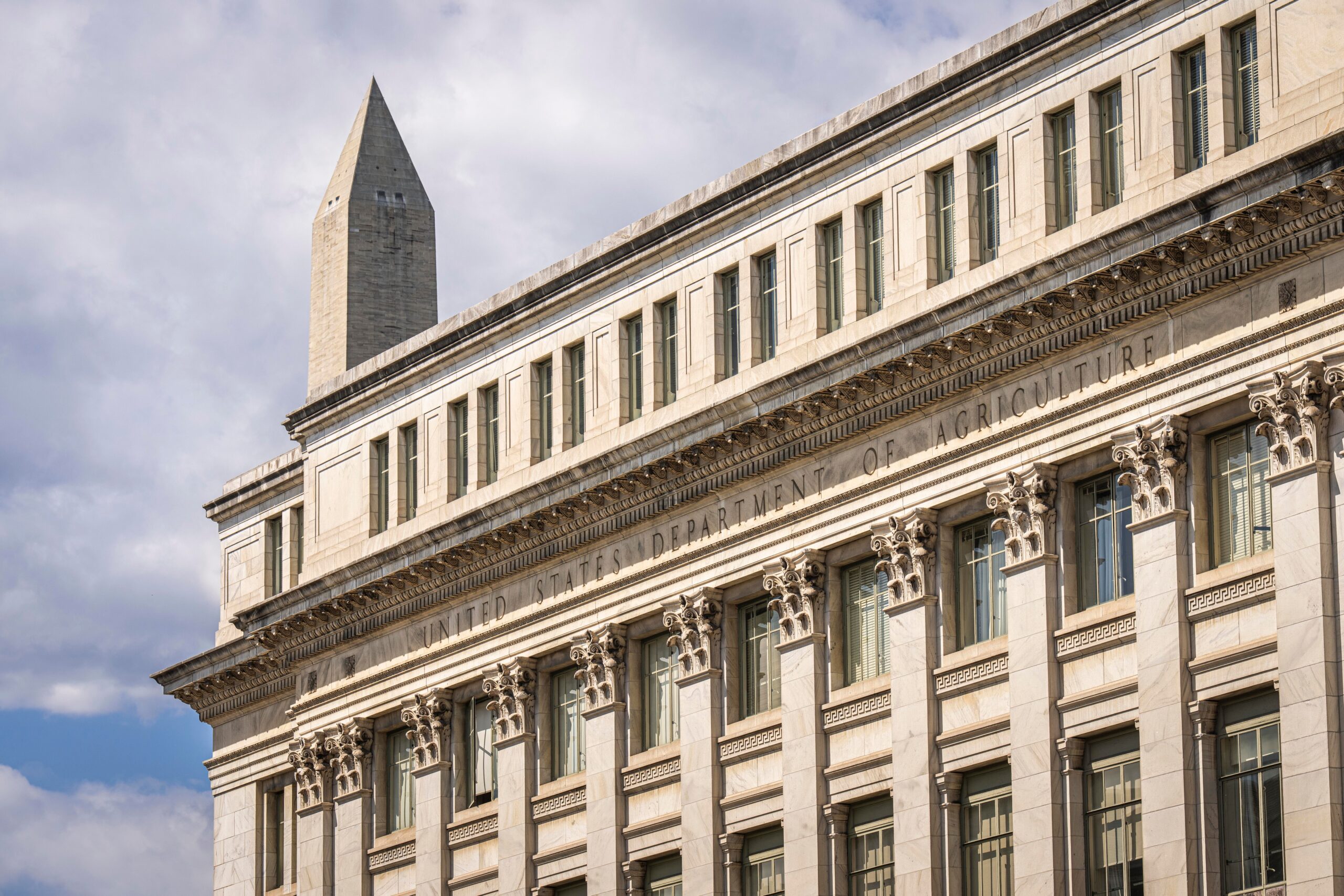
Simultaneously, the U.S. Department of Agriculture (USDA) confirmed that one of its systems had been targeted by a cyberattack. According to two former department officials speaking to NBC News, the specific system compromised was used to facilitate payments to farmers. While officials stated that as of Friday, no other USDA systems had been targeted, they raised alarms that the intrusion could serve as a backdoor. The concern is that adversaries might use access to the payment system to reach more sensitive material, including research on biological issues. One former official warned that if a competitor or adversary gained access to such information, they could potentially use the agency’s own research against the United States.
These breaches are unfolding against a backdrop of significant technical instability across the U.S. public and private sectors. Over the last several days, major outages have disrupted travel, communications, and e-commerce. Notably, an internal classified computer network used by the National Security Agency experienced a multi-day outage beginning Tuesday. Sources familiar with the matter told NBC News that the network went down during maintenance and that there was no sign the outage was caused by a cyberattack. The issue was resolved by Friday. Similarly, earlier in November, widespread outages affected Microsoft Outlook and the Federal Aviation Administration (FAA).
Despite the timing, officials and lawmakers have sought to distinguish between these technical failures and the active cyber intrusions at the FBI and USDA. Senator Mark Warner, the top Democrat on the Senate Intelligence Committee, stated on Wednesday that evidence showed the recent tech outages were not caused by cyberattacks. However, he warned that artificial intelligence could have played a role in the systems’ vulnerabilities. President Donald Trump, in an effort to calm public anxiety, urged citizens to “relax,” while officials reiterated that the outages were not linked to criminal activity. The distinction is crucial: the FBI and USDA incidents are described as active hacks involving unauthorized access, whereas the other disruptions were technical failures.
The timing of these events has heightened scrutiny on the administration’s cybersecurity leadership. On Thursday, the White House confirmed that National Cyber Director Sean Cairncross was leaving his role. Cairncross had been directly involved in the White House’s deliberations on AI policy, including a controversial move to direct the AI company Anthropic to take down two of its most powerful systems over national security concerns. His departure coincides with mounting criticism over the string of major outages and the new breaches.
The FBI’s current investigation into the NCIC follows a previous incident in September, when a hacking group known as ShinyHunters claimed to have stolen sensitive employee personal data from the FBI’s job portal. That earlier breach highlighted vulnerabilities in the agency’s external-facing digital assets. This week’s intrusion into the NCIC, however, targets the core operational database used for real-time law enforcement activities. The FBI has not yet identified who was responsible for the latest breach, nor has it commented on whether the USDA and FBI incidents are related. As of Friday night, the agency had no further comment on the scope of the intrusion or the specific data accessed.
While the technical details of the NCIC and USDA breaches remain limited, the immediate impact is a period of heightened vigilance for law enforcement and agricultural agencies. The FBI director, Kash Patel, appeared on Fox News on Thursday to tout measures his agency had implemented to thwart cyber-attacks, referencing an initiative dubbed Operation Winter Shield. Patel stated that the FBI and the U.S. intelligence community would continue to monitor activities for nefarious actors and that the agency would hunt down those responsible. Nevertheless, the dual intrusions underscore ongoing challenges in securing critical national infrastructure against sophisticated cyber threats, even as the nation recovers from a series of unlinked technical outages.