
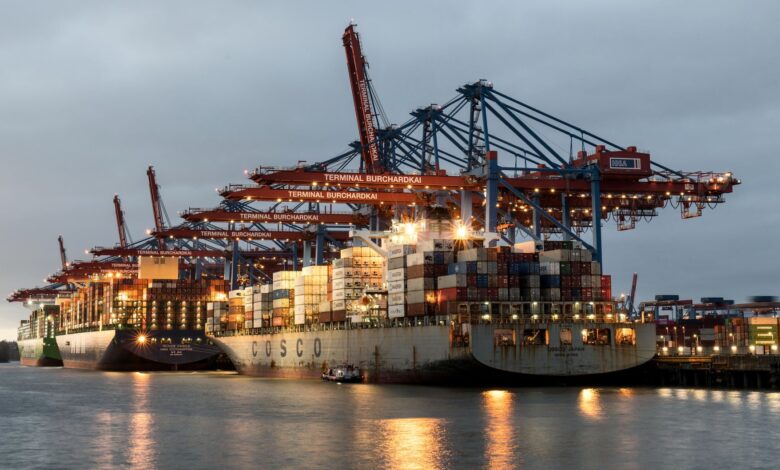
What has changed is the perception of sanctions from temporary diplomatic levers to permanent structural features of the global economy. The identification of “10 Key Areas” suggests a granular approach to this evolution, moving away from broad-brush penalties toward targeted, sector-specific interventions. This shift implies that the affected parties are not just individual states, but specific industries, financial institutions, and supply chains that have become entangled in the web of international compliance. The stakes are high, as these areas likely represent the critical nodes of global trade where economic pressure can be applied with maximum strategic effect while minimizing collateral damage to the imposing nation’s own economy.
The major actors in this developing landscape are seeking to redefine the rules of engagement in a multipolar world. For implementing powers, the goal is to create a resilient framework that can withstand evasion and adaptation by targeted entities. This involves not just the initial imposition of restrictions, but the continuous monitoring and updating of regulations to close loopholes. For the affected actors, the challenge is one of survival and adaptation, requiring the development of alternative trade routes, the localization of production, and the creation of parallel financial systems. The diplomatic pressures involved are immense, as these measures often cross traditional alliances, forcing partners to choose between economic integration with major powers and maintaining independence from coercive mechanisms.
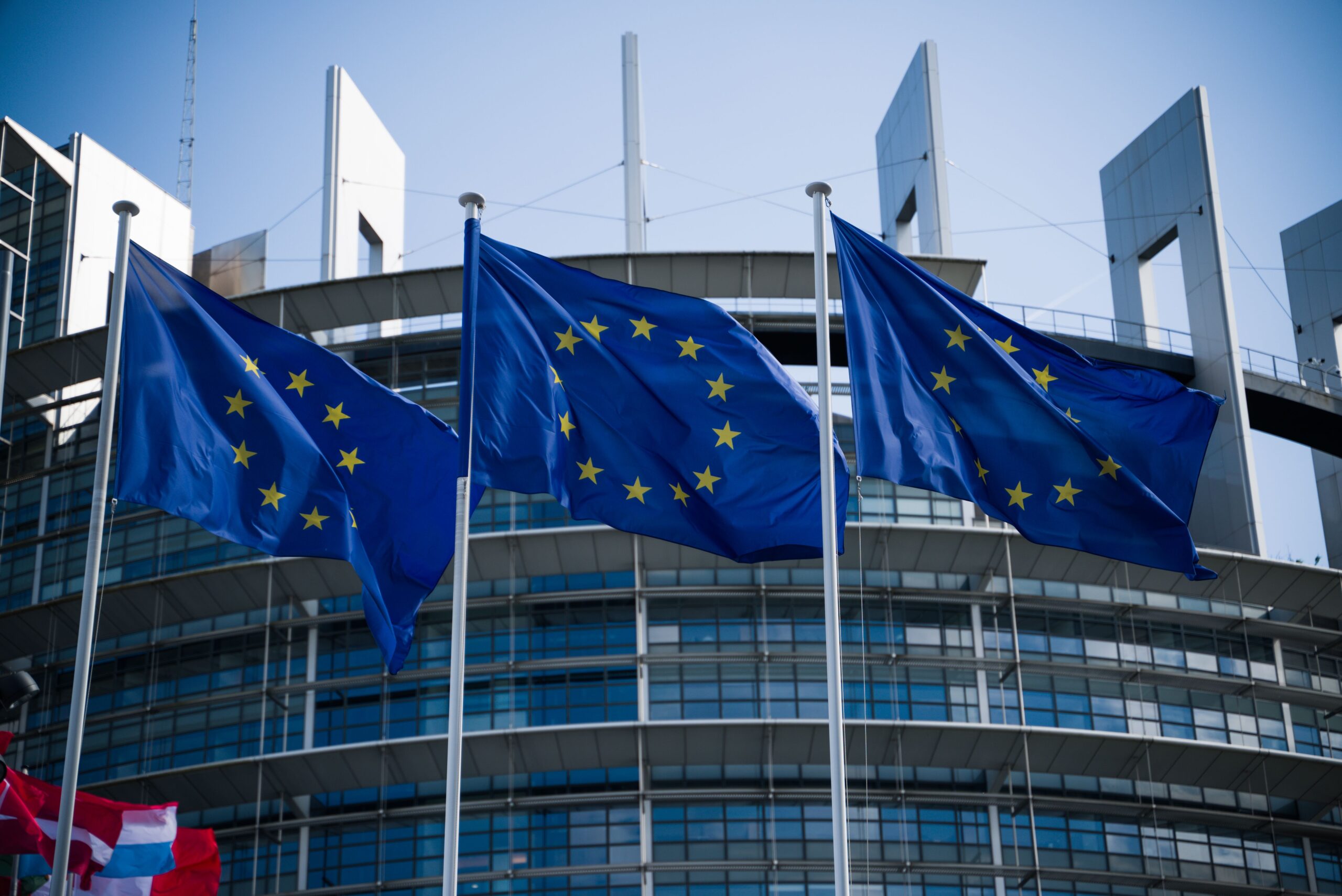
Strategically, the “puzzle” referenced in the title acknowledges the complexity and unintended consequences of modern sanctions. Unlike the straightforward blockades of the past, today’s economic statecraft involves digital currencies, global shipping networks, and intricate financial transactions that are difficult to trace and restrict. The relevant historical background shows a trend toward the weaponization of interdependence, where the very connections that facilitate global growth are turned into instruments of pressure. This historical precedent is now being tested in the context of 2027, where the effectiveness of these tools will be judged not just by their immediate impact on conflict zones, but by their long-term ability to shape geopolitical behavior without causing global economic collapse.
The immediate consequences of focusing on these ten key areas will be seen in the regulatory frameworks adopted by international bodies and individual nations in the interim period. We can expect a surge in compliance technology, legal challenges in international courts, and a reconfiguration of bilateral trade agreements. Longer-term, the evidence suggests a potential fragmentation of the global economy into distinct blocs with varying degrees of connectivity. This fragmentation could lead to a less efficient but more politically aligned global trade system, where economic decisions are increasingly driven by security considerations rather than pure market logic.

Human impact in this context is diffuse but significant. Workers in targeted industries face job insecurity, while consumers in imposing nations may experience higher prices for goods that rely on restricted supply chains. However, the primary focus remains on the state-level analysis of how these economic tools are being refined for future use. The neutrality of this assessment is crucial, as the effectiveness of sanctions is often debated, with proponents citing their role in curbing aggression and critics highlighting their humanitarian costs and economic inefficiencies. By identifying specific areas to watch, analysts are providing a roadmap for understanding where the next major shifts in this dynamic will occur.
As we look toward 2027, the central tension remains unresolved: can economic coercion be sustained as a primary tool of foreign policy without fundamentally altering the structure of the global economy? The “Sanctions Puzzle” is not a problem to be solved but a complex system to be managed. The next development will likely be the formalization of these ten key areas into binding international guidelines or national legislation, setting the stage for a new era of economic statecraft. The world is moving from the era of immediate reaction to the era of strategic endurance, where the ability to withstand and adapt to economic pressure becomes a key determinant of geopolitical stability.



3 Comments