
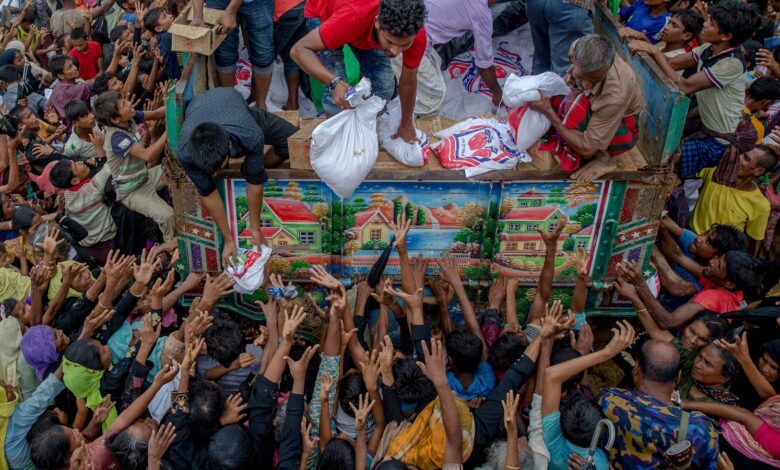
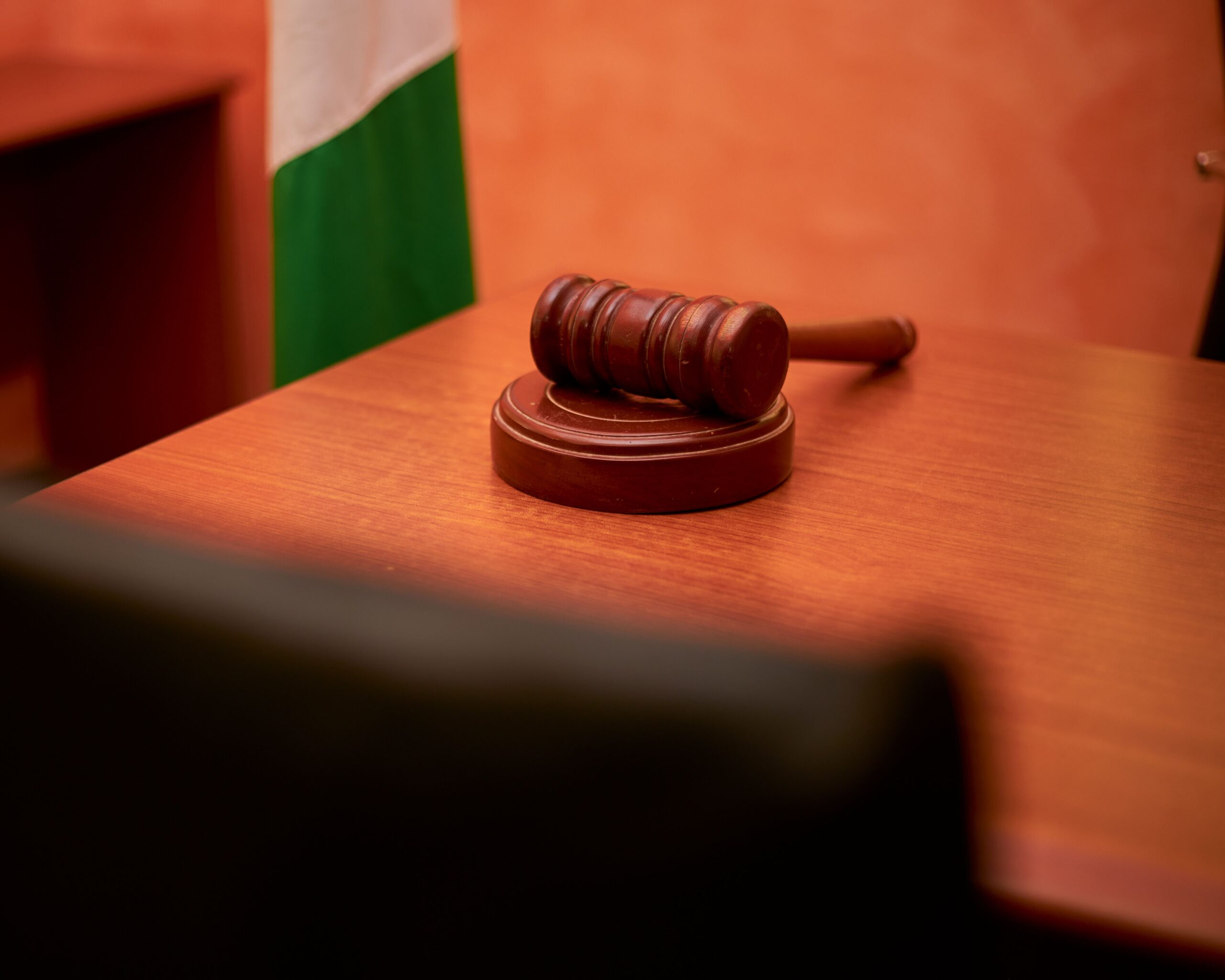
The court’s evidence indicated that Myanmar forces killed approximately 100,000 Rohingya during the 2017 crackdown. President Min Aung Hlaing, a former military leader who was in charge of the operation at the time, faces increasing international scrutiny. While the ICJ’s rulings are final and legally binding, the only recourse available to the court for noncompliance is reporting to the U.N. Security Council. This procedural limitation has become the central friction point in the aftermath of the verdict, as Myanmar’s government has denied committing genocide, claiming it acted against insurgents, and is considered unlikely to fulfill the court’s demands.
Myanmar’s response to the ruling highlights the diplomatic hurdles ahead. Khine Khine Soe, the president’s spokeswoman, emphasized that the decision was not unanimous, noting a nine-to-six vote among the 15 judges. “Not all 15 judges agreed with the decision,” Soe told reporters in Naypyitaw, characterizing the outcome as unfair. This defense underscores the government’s attempt to delegitimize the judgment, a strategy that may complicate efforts to secure voluntary compliance.
In response to the enforcement gap, rights groups are aggressively advocating for targeted military and economic sanctions. The call is not for broad, economy-wide penalties, but for specific measures aimed at the sectors that sustain the military regime. Justice for All, an American human rights organization with a task force of 38 U.S. and Canadian Muslim organizations, has urged the Trump administration to support a General Assembly resolution demanding compliance and establishing international monitoring. Crucially, the group argues that sanctions should specifically target Myanmar’s oil and gas sector and the networks that provide weapons and other support to its military. By isolating these revenue streams and supply chains, advocates hope to create economic pressure that forces the junta to adhere to the court’s orders.
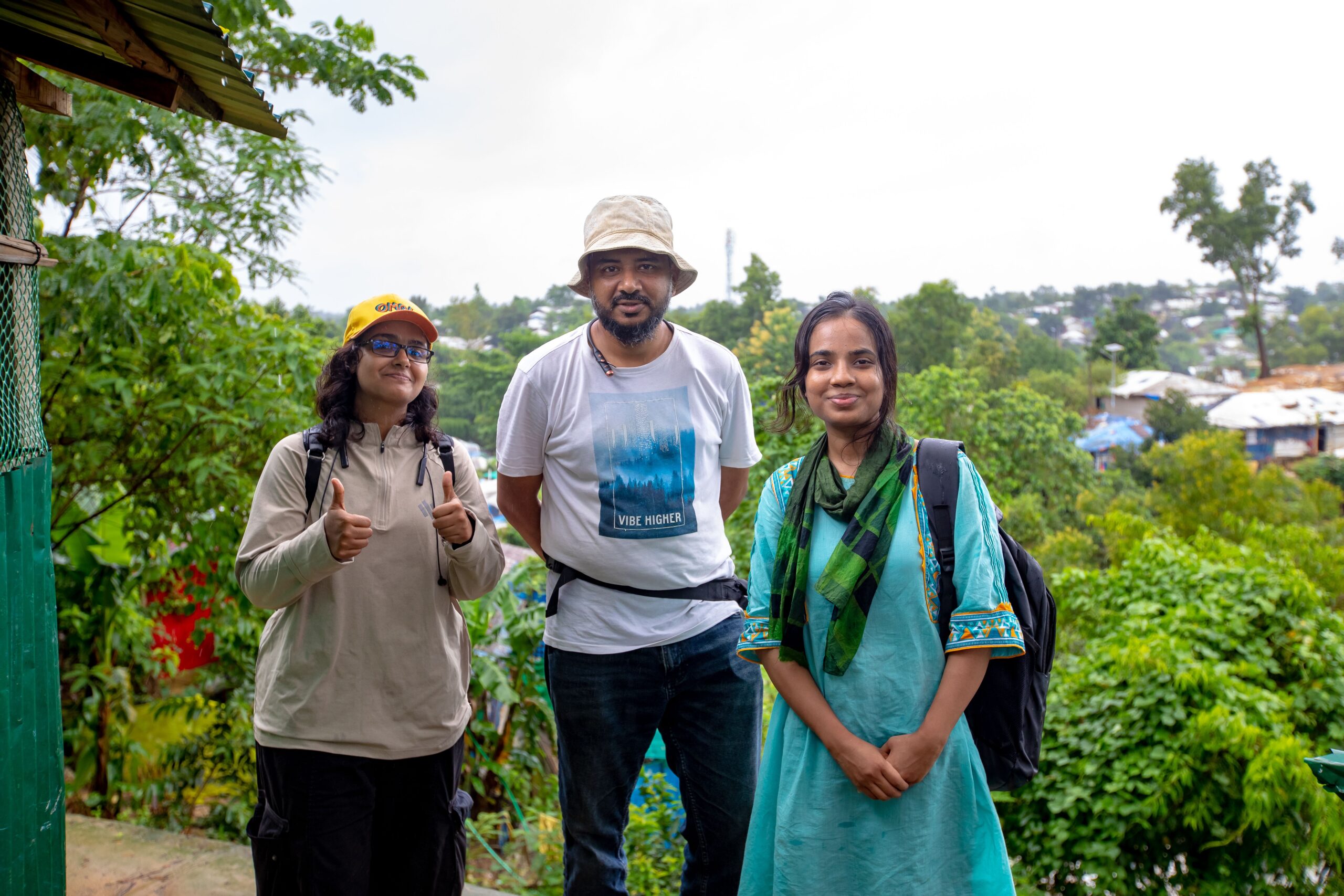
Amnesty International’s Secretary General, Agnes Callamard, echoed this call for economic and military isolation. She urged governments to stop any transfer of weapons, security, and surveillance equipment, as well as military and security assistance, to Myanmar. “Instead, they should stop any transfer of all weapons, security and surveillance equipment, and military and security assistance to Myanmar,” Callamard stated, adding that the U.N. Security Council should impose a global arms embargo and refer the situation to the International Criminal Court (ICC). The ICC has already requested an arrest warrant for Min Aung Hlaing in late 2024, alleging responsibility for crimes against humanity, though no public announcement has been made regarding a final decision by the judges.
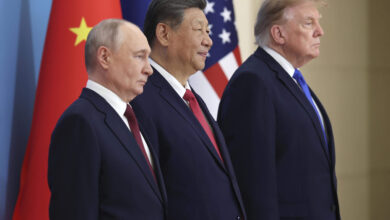
However, the path to imposing such sanctions through official U.N. channels is obstructed by geopolitical realities. Daniel Forti, head of U.N. affairs at the International Crisis Group, noted that immediate action from the 15-member Security Council is unlikely. China and Russia, both permanent members with veto power, are expected to block any resolution attempting to enforce the court’s recommendations. Forti explained that China has discouraged Security Council action on the Myanmar file since 2021, reluctant to cede influence in what it considers its own backyard. “The ICJ ruling will not alter China’s calculations, and it is hard to imagine that either Beijing or Moscow would support any potential Security Council resolution,” Forti told The Associated Press.
Furthermore, the U.S. position presents a complex dynamic. While the U.S. has imposed sanctions on the ICC itself, including many of its judges and staff, any Security Council action referring the situation to the ICC would face an almost certain U.S. veto. This creates a paradox where the very institution calling for ICC intervention is structurally positioned to block it at the Security Council level. Consequently, rights groups are pivoting toward the 193-member General Assembly. Although General Assembly resolutions are not legally binding like those of the Security Council, they carry significant political weight. Gambia, which launched the court proceedings, may pursue such a resolution, and Justice for All has called on the U.S. to support it as a mechanism for international monitoring and follow-up.
The human cost of this diplomatic stand-off remains stark. Nearly all Rohingya have been denied citizenship since 1982, rendering them stateless and stripping them of freedom of movement and basic rights. Myanmar, a majority Buddhist nation, has long claimed the Rohingya are “Bengali” migrants from Bangladesh, despite evidence that their families have lived in the country for generations. Today, approximately 1.2 million Rohingya live in overcrowded camps in Bangladesh, waiting for a safe and voluntary return that the ICJ has ordered but Myanmar has not facilitated.
The next critical step lies in the U.N. Security Council’s scheduled closed consultations next Wednesday and a private meeting on Dec. 7, requested by the United Kingdom. The U.K. expelled Myanmar’s defense attache following the ruling, a symbolic but significant diplomatic move. For Yasmin Ullah, a Rohingya rights activist who listened to the ruling in The Hague, the judgment is a starting point, not an endpoint. “It will only mean something if governments act on it,” she said, urging member states to take robust steps, starting with sanctions against the president. The coming weeks will reveal whether the international community can translate this legal victory into tangible economic and political pressure, or if the veto powers of great powers will once again shield the Myanmar military from accountability.

2 Comments