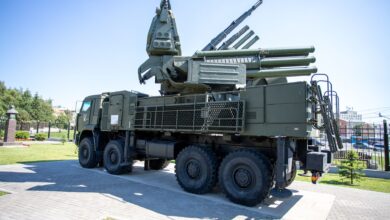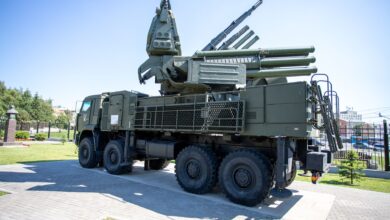
The operational tempo of the conflict has shifted significantly in recent days. The IRGC stated that its forces targeted radars at US military bases in Bahrain, specifically claiming the destruction of two US Patriot air defense radars. Iranian state media further reported that an interceptor missile launched from the US Fifth Fleet base crashed on Sitra Island, sparking a large fire. These actions follow a US strike on a radar installation on Iran’s Hengam Island, which Tehran cites as the immediate trigger for the retaliation. However, US Central Command (CENTCOM) has not commented on the specific damage to the Patriot systems, maintaining a posture of operational security while denying broader claims of asset loss.
Simultaneously, the conflict has expanded to affect neighboring Saudi Arabia. The Saudi-led Coalition to Support Legitimacy in Yemen reported intercepting and destroying multiple ballistic missiles and drones launched by the Iran-backed Houthi militia. On Saturday, the coalition announced the interception of three ballistic missiles headed toward Riyadh, following an alert that the capital was under hostile aerial threat. The Houthis, who have threatened reprisals after coalition attacks on the Red Sea port city of Hodeida, continue to target key infrastructure, including energy refining and export facilities in Saudi Arabia’s western region. This dual-front pressure—direct Iranian strikes on US assets and Houthi attacks on Saudi infrastructure—illustrates the complex web of alliances and retaliatory dynamics currently shaping the theater.
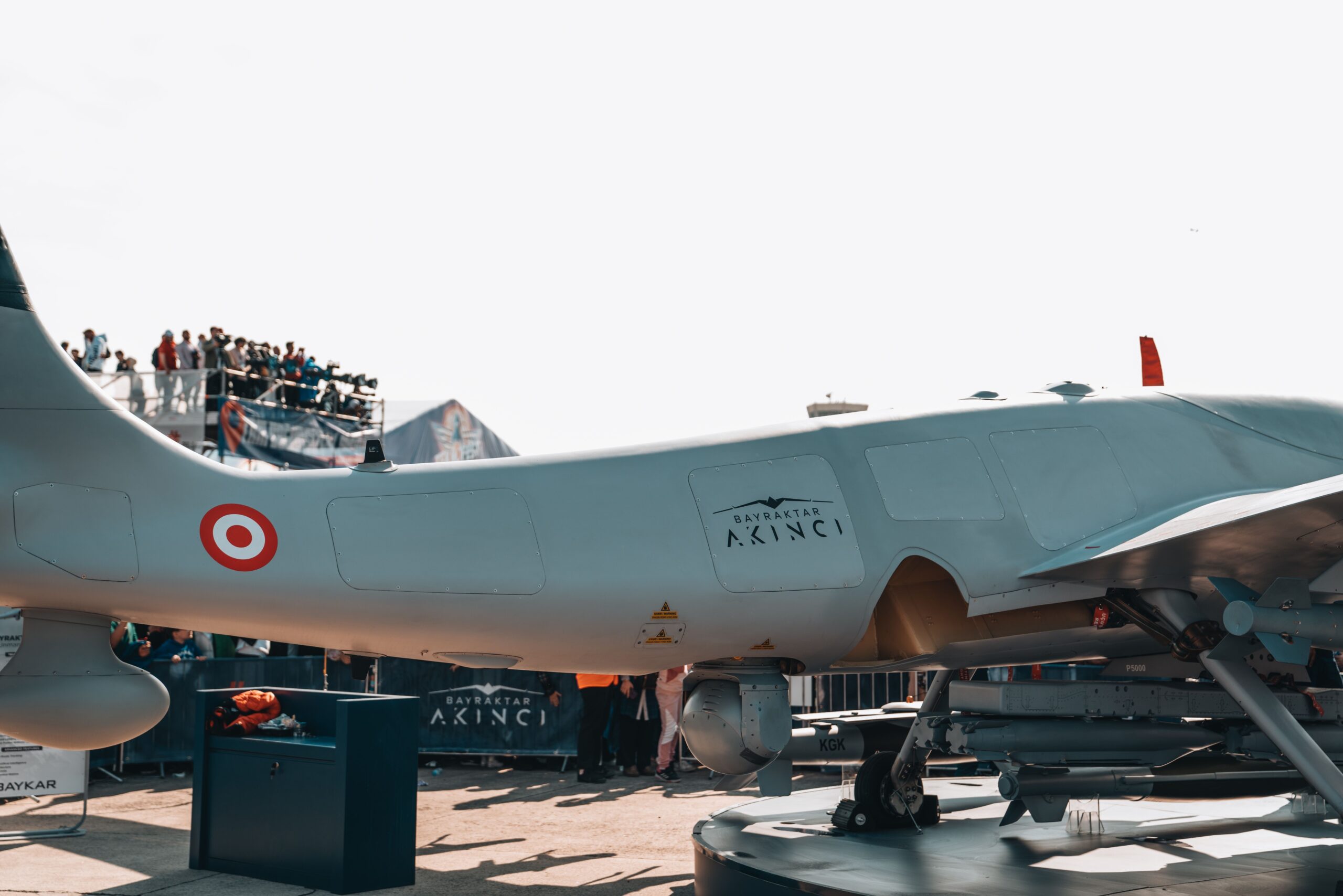
Technically, the engagement involves a mix of long-range ballistic missiles, one-way attack drones, and advanced reconnaissance platforms. Iran claims to have shot down multiple US MQ-1 and MQ-9 Reaper drones, with the IRGC asserting that a recent operation east of the Strait of Hormuz marked the 20th such drone downed since the war began in late February. US forces, however, contest these figures. In response to Iranian claims of damaging a US F-16 fighter jet over the Gulf, CENTCOM stated that all US fighter jets in the Middle East are safe and accounted for. The disparity in these accounts highlights the ongoing challenge of verifying battlefield outcomes in real-time, where both sides leverage media narratives to project strength and deny vulnerability.
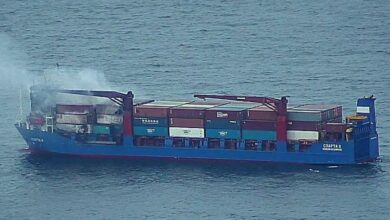
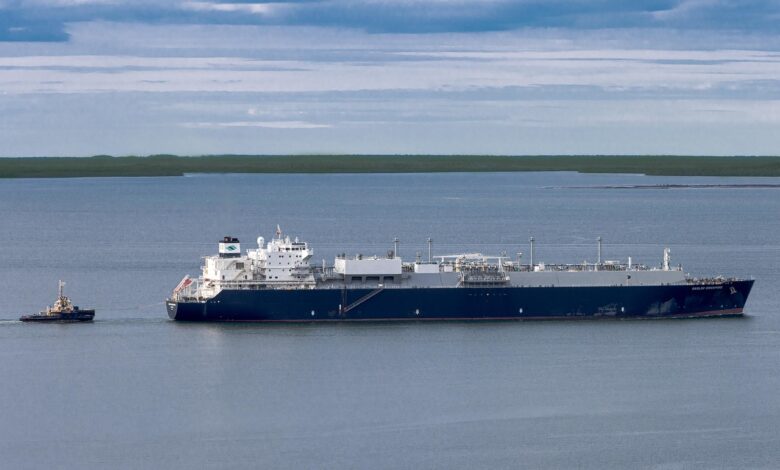
The strategic context of these military maneuvers is deeply intertwined with economic warfare. Iranian President Masoud Pezeshkian has described the situation as a “silent economic war,” driven by US sanctions and a naval blockade of Iranian ports. The blockade, which has forced the US Navy to escort tankers through the Strait of Hormuz, has severely disrupted Iran’s energy exports. In response, Tehran has locked down the strait and targeted ships attempting passage without authorization, causing a sharp drop in Gulf oil flows and contributing to a global energy crisis. This economic pressure appears to be a primary driver for Iran’s recent kinetic escalation, as it seeks to raise the cost of the blockade for Washington and its allies.
Diplomatically, the situation remains fragile. Although a peace framework known as the Islamabad Memorandum of Understanding was signed in June between US President Donald Trump and Iranian President Pezeshkian, Foreign Minister Abbas Araghchi has declared the document “no longer on the table,” citing a lack of implementation relevance. Despite this, Araghchi maintained that the underlying commitments accepted by the US in the memorandum remain valid and could pave the way for a final agreement. Trump, however, has signaled a cautious approach, telling an Israeli outlet that he may not make a decision on his next move in the war until 2027, suggesting that the administration is not rushing toward a negotiated settlement despite the escalating tensions.
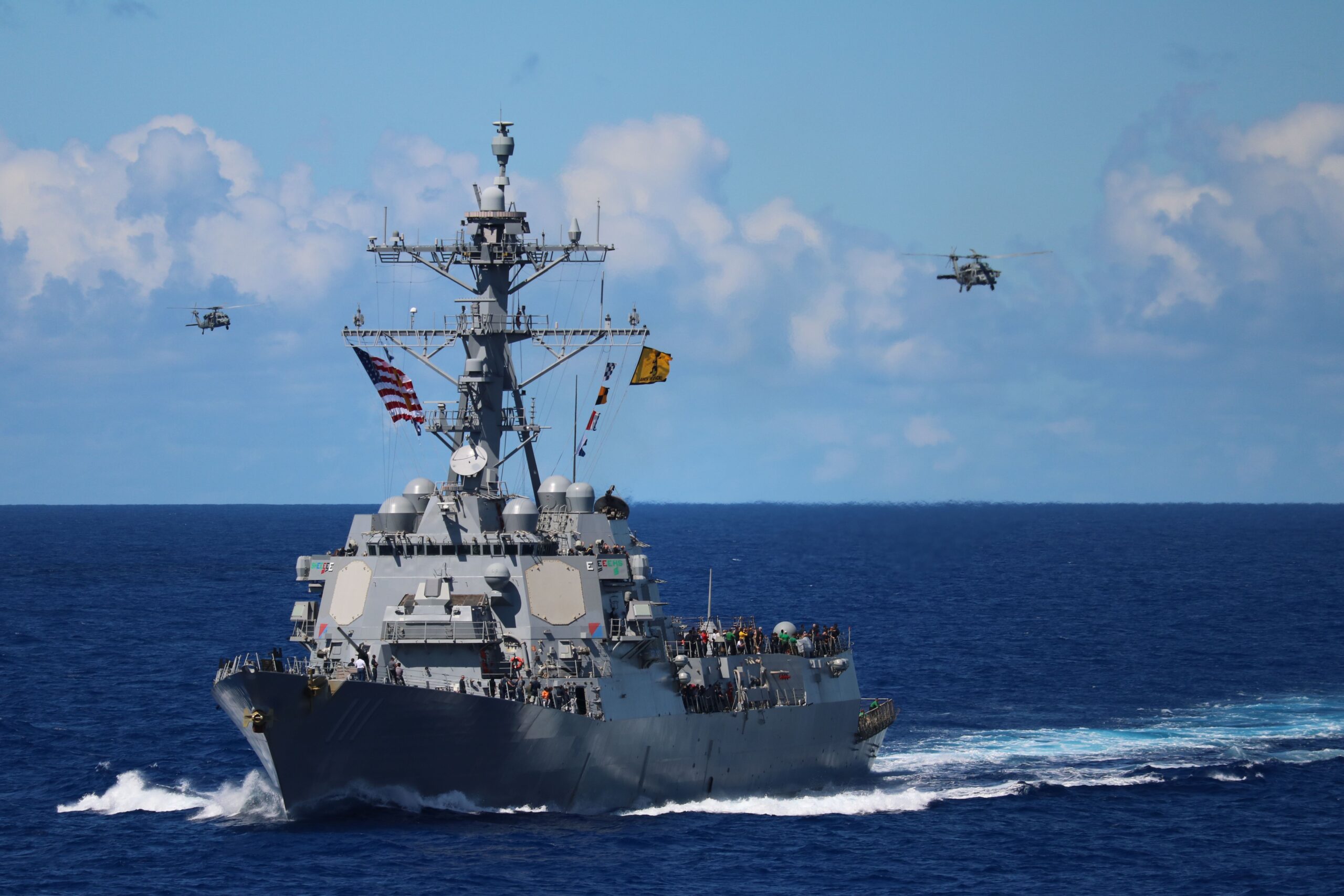
The human and geopolitical consequences of this standoff are severe. The disruption of energy shipments has global ramifications, while the direct strikes on civilian infrastructure in Bahrain and Saudi Arabia have resulted in injuries and significant economic damage. The presence of the US Fifth Fleet in Bahrain places American personnel and assets in the direct path of Iranian missile and drone fire, raising the stakes for potential further escalation. As the US denies significant military losses and Iran continues to target US and allied infrastructure, the conflict appears poised to remain in a state of high-intensity attrition, with no immediate prospect for de-escalation.
Looking ahead, the next confirmed development will likely hinge on the response to the latest strikes in Bahrain and Saudi Arabia. If the US validates any of the Iranian claims regarding the destruction of air defense systems, it could lead to further targeted strikes on Iranian military infrastructure. Conversely, if the diplomatic channels remain open, as suggested by Araghchi’s comments, the focus may shift to verifying the commitments of the Islamabad Memorandum. Until then, the Gulf remains a high-risk environment where military action and economic coercion are inextricably linked.