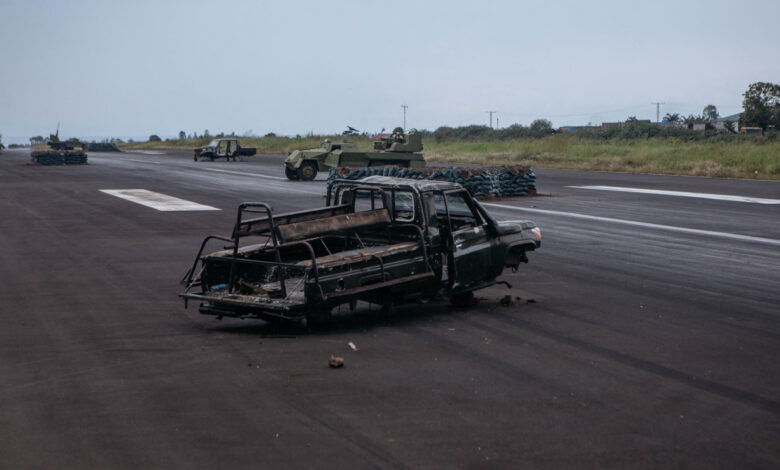
The proliferation of drone warfare is closely linked to the broader geopolitical and military escalation that defined the late 2020s. M23, which captured Goma in North Kivu in January 2025 and Bukavu in South Kivu a month later, is widely believed to have relied on an extensive arsenal of UAVs for intelligence, reconnaissance, and attack missions. Multiple sources, including US Ambassador to the United Nations Mike Waltz, indicated that M23 employed attack drones and Rwanda-supplied artillery during the initial seizure of Uvira in December 2025. Reports suggest these included Turkish-made YIHA-III long-range precision-strike loitering drones, while DRC government-aligned media claimed the FARDC shot down three Rwanda-supplied long-endurance kamikaze drones during the October offensive. The UN Group of Experts’ final report, released in June 2026, further documented that the FARDC has utilized Turkish long-endurance drones and Chinese CH-4 and CH-5 models, with capabilities potentially enhanced by private sector support, including from Blackwater founder Erik Prince.
As the aerial arsenal expands, the diplomatic landscape remains fragmented and fragile. Two primary tracks of negotiation are currently underway: the Washington Accords, signed in December 2025 to address tensions between the DRC and Rwanda, and the Doha Framework for a Comprehensive Peace Agreement, signed on November 15, 2025, between the DRC government, the Congo River Alliance (AFC), and M23. Despite a roadmap agreed upon in August 2026 with involvement from Qatar, the United States, Togo, the African Union Commission, and Switzerland, fighting has continued. The distinction between these tracks is critical; an agreement between Kinshasa and Kigali does not automatically resolve the internal confrontation between the Congolese government and armed groups like M23, which has recently been absorbed into the Front for the Refoundation of the Nation (FRN), led by former President Joseph Kabila.
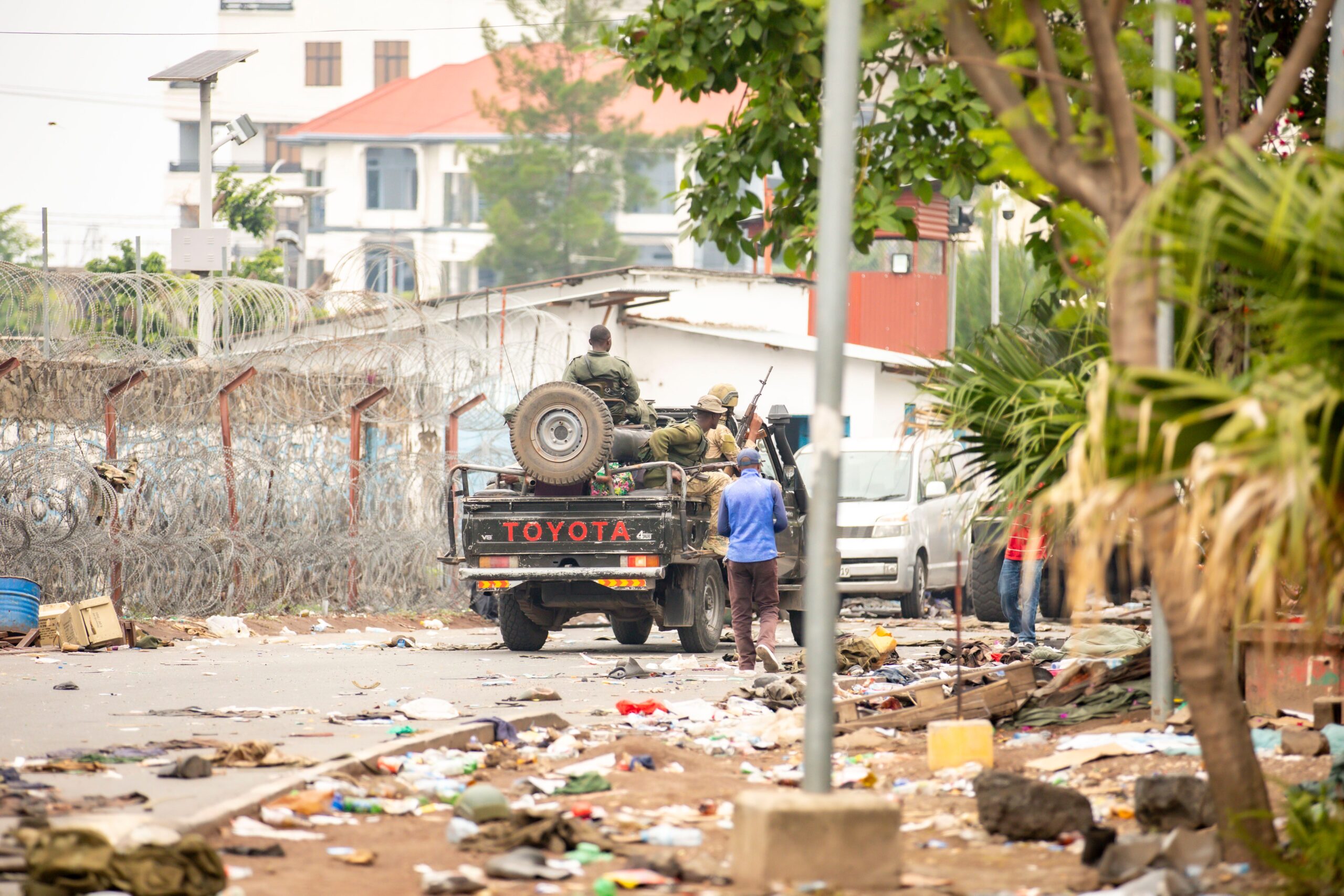
For residents of the affected provinces, the disconnect between high-level diplomacy and on-the-ground reality is stark. Blaise Chasumba, a resident of Bukavu, described the frustration of repeated diplomatic meetings that fail to bring tangible security. “One meeting follows another, and they all end up being much the same,” he said. “But the real peace that the warring parties are dangling before us is far from becoming a reality on the ground. We continue to lose our loved ones and our homes.” The International Committee of the Red Cross has warned that the increased use of drones drastically raises the risk of civilian harm, a concern compounded by the shifting political allegiances of rebel groups and the accusation that Rwanda is violating the Washington Accords, a charge that has led to US sanctions against numerous senior Rwandan officials.
The conflict’s instability has also rippled into regional diplomacy and public health security. Tensions between the DRC and Kenya, both members of the East African Community (EAC), soured significantly after 2023 when Kinshasa accused Nairobi of hosting leaders of the rebel alliance. This led to the recall of the DRC envoy and further deteriorated when Kenya named a consul-general to Goma in March 2025, a move Kinshasa viewed as legitimizing the rebel occupation. Although Kenya’s President William Ruto and DRC’s President Félix Tshisekedi agreed in October 2026 to restore full diplomatic ties and commit to non-interference, the trust deficit remains evident. The conflict’s severity is further illustrated by its impact on the Ebola response. WHO Director-General Tedros Adhanom Ghebreyesus noted in late October that the frequency of attacks had increased, disrupting health work in areas near the outbreak’s origin. Since the Bundibugyo strain was declared in May, more than 5,700 people have died and 11,000 have been infected, with cases now reported in Kenya, Uganda, and Nigeria.
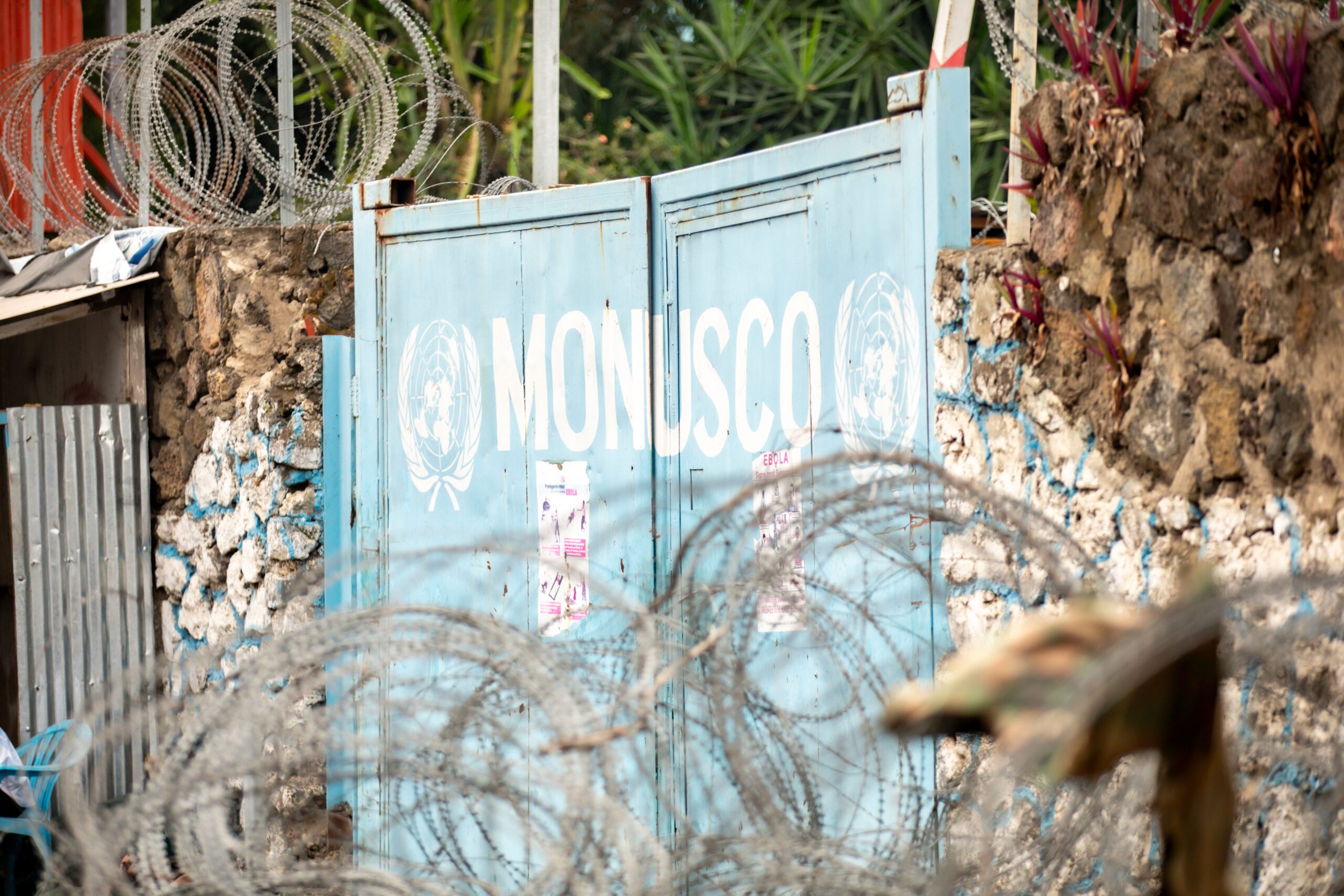
The convergence of advanced drone warfare, stalled peace processes, and a transnational health crisis suggests that the eastern DRC remains a volatile focal point. The next critical pressure point lies in the implementation mechanisms of the Doha Framework and the ability of regional powers to enforce the sovereignty commitments reaffirmed in the Ruto-Tshisekedi summit. Without a coordinated reduction in aerial attacks and a halt to cross-border support for armed groups, the economic and humanitarian costs will likely continue to escalate, leaving the civilian population in North and South Kivu exposed to the dual threats of kinetic violence and endemic disease.