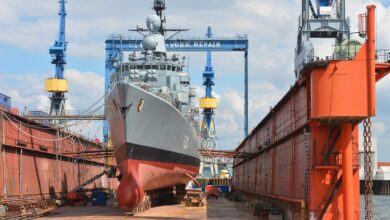
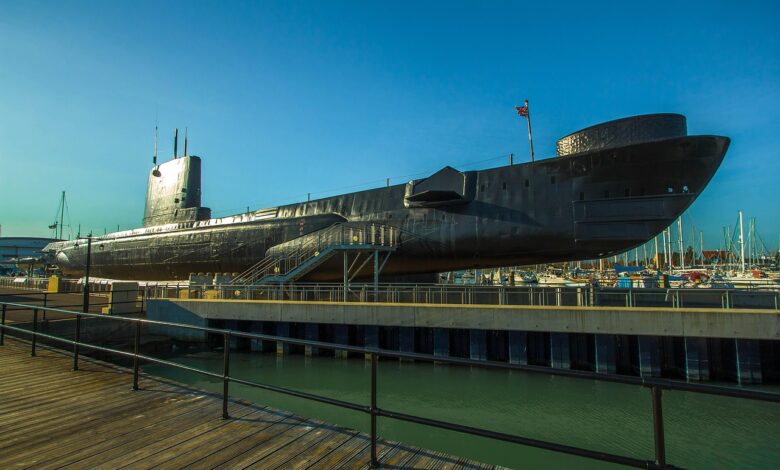
The Merkury, a corvette of the Russian Navy, was docked at the naval facility when it was struck. The officials stated that the impact caused severe structural damage to the vessel and ignited a fire within the base. While the precise number of casualties or the specific nature of the damage to the ship’s propulsion and weapons systems has not been fully detailed in initial reports, the severity of the strike suggests a significant operational impairment for the vessel. The Merkury is a modern multi-role corvette, designed for anti-surface, anti-submarine, and air defense missions. Its presence in Libya reflects broader Russian military cooperation with local factions in the country, a dynamic that has become increasingly entangled with the Russia-Ukraine war.
The attack is described by officials as originating from a base in western Libya, an area under the control of forces aligned with the UN-backed Government of National Unity (GNU), which maintains close ties with Ukraine. The use of sea drones, often referred to as unmanned surface vessels (USVs) or maritime drones, indicates a tactical shift toward asymmetric naval warfare. These platforms are designed to loiter in coastal waters and strike high-value targets with relatively low-cost, high-explosive payloads. The successful engagement of a corvette, a hull class that typically possesses robust point-defense systems, suggests that the attacking drones may have employed stealth features, low-altitude flight paths, or saturated the ship’s defensive systems to bypass detection and interception.
The incident did not occur in isolation. According to Al Jazeera, a second attack was reported on a commercial vessel flying a Maltese flag off the coast of Benghazi earlier in the day. Libyan forces reportedly intercepted more than 20 naval drones in the area during this series of attacks. The high volume of drones suggests a coordinated or opportunistic swarm tactic, aiming to overwhelm air defenses and create a broader zone of insecurity along the Libyan coast. The targeting of a commercial vessel, in addition to a military asset, highlights the dual-use nature of the conflict, where the distinction between military and civilian maritime traffic becomes blurred, posing risks to international shipping lanes and commercial interests.
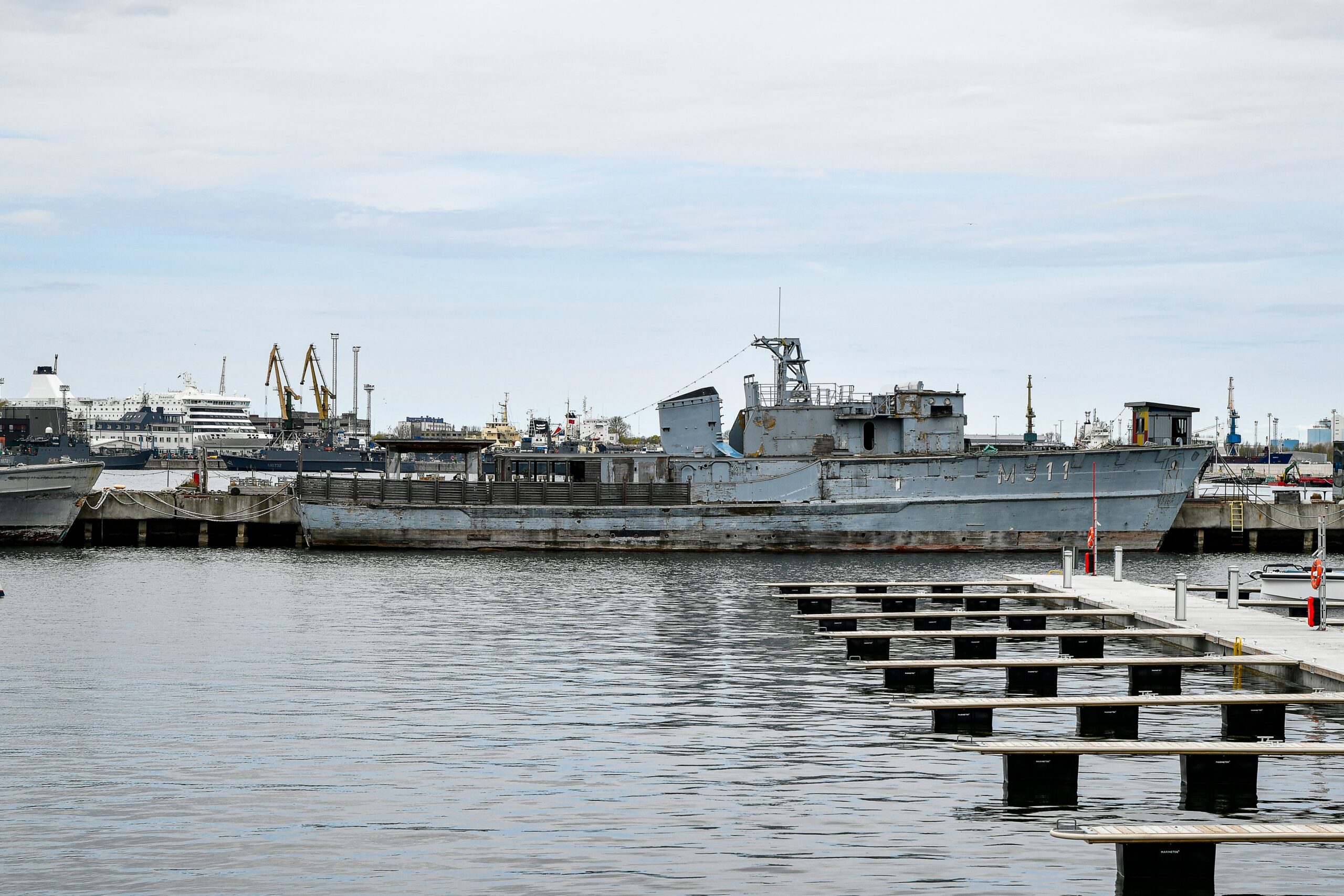
The strategic implications of this strike are profound. For Russia, the damage to the Merkury is a tangible loss of naval capability in a region where Moscow has invested significant political and military capital. It also serves as a stark reminder of the vulnerabilities of surface ships to modern low-cost drone threats. The attack challenges the assumption that naval assets operating in ostensibly friendly or neutral waters are immune to asymmetric threats. For Ukraine, the strike demonstrates an extended reach of its naval drone operations, projecting power far beyond Black Sea boundaries into the Mediterranean. This expansion of the conflict’s geographic scope raises concerns about the potential for further escalation, particularly given the proximity of NATO member states and other international actors in the region.
The use of Libyan territory, specifically the western regions controlled by the GNU, as a launchpad for attacks against Russian assets underscores the complexity of the Libyan civil war and its intersection with the Russia-Ukraine conflict. The GNU’s alignment with Ukraine has provided Kyiv with a strategic foothold in North Africa, allowing for the deployment of long-range or loitering maritime drones against Russian interests. Conversely, Russia’s presence in eastern Libya, supported by the Libyan National Army (LNA), has provided Moscow with a forward operating base for its naval forces. The clash between these two proxies in the Libyan context has effectively turned the country into a secondary theater of the broader geopolitical struggle.
Logistically, the repair of the Merkury will be a significant undertaking. Given the location, the ship may require extensive repairs at the Benghazi base or, if the damage is too severe for local facilities, may need to be towed to a Russian naval base or shipyard. The downtime of the vessel will reduce Russia’s naval presence in the eastern Mediterranean, potentially affecting its ability to project power or support its allies in the region. The incident also raises questions about the readiness and defensive capabilities of Russian naval units deployed in such environments. The interception of over 20 drones by Libyan forces suggests that local air defenses are active and engaged, but the successful strike on the Merkury indicates gaps in the integrated air and missile defense network.
The humanitarian and economic consequences of these attacks are also notable. The targeting of a commercial vessel poses a direct threat to international trade and maritime security. Shipping companies may be forced to reroute vessels away from Libyan waters, increasing costs and transit times. The instability in the region could also impact the flow of humanitarian aid and commercial goods, exacerbating existing economic challenges in Libya. The incident serves as a cautionary example of how conflicts can spill over into new domains and geographies, affecting parties not directly involved in the original dispute.
As the investigation into the attack proceeds, the focus will be on determining the exact origin and type of the drones used, as well as assessing the full extent of the damage to the Merkury and the naval base. The international community will be watching closely for any signs of further escalation, as the use of drone warfare in the Mediterranean introduces new variables into regional security calculations. The incident marks a significant development in the evolving nature of naval warfare, where the line between sea and land, and between military and civilian targets, continues to blur. The next few days will likely see increased defensive postures by both Russian and Libyan forces, as well as heightened diplomatic tensions between the parties involved.