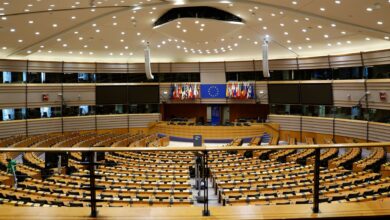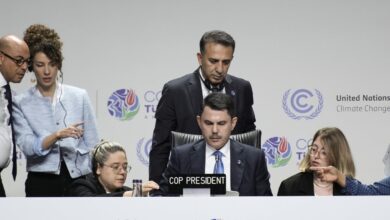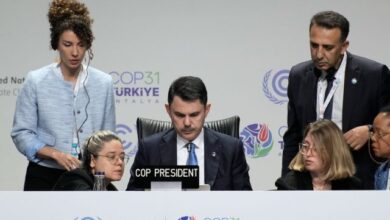

The failure to secure a deal marks a significant setback for the international climate process, particularly as the negotiations took place amid soaring energy prices and geopolitical tensions fueled by the war in Iran. These external pressures have complicated the diplomatic landscape, making it difficult for delegates to find common ground on the core mechanisms of the Paris Agreement.
The central dispute centers on the language of the final document. The European Union, a key bloc in climate finance and policy, insisted on explicit mentions of fossil fuels, likely reflecting its stance on the necessity of transitioning away from carbon-intensive energy sources to meet net-zero targets. The opposing blocs, whose specific identities are not detailed in the available reports but represent a significant portion of the negotiating body, appeared to accept a version of the text that did not contain these explicit references. This distinction is critical in climate diplomacy, as the wording of the final text often dictates the political and economic obligations of signatory nations. Omitting direct references to fossil fuels can be interpreted by critics as a watered-down commitment to decarbonization, potentially allowing continued reliance on coal, oil, and gas without immediate phase-out mandates.

The timing of the collapse is notable. Occurring in late November 2026, the summit’s failure underscores the fragility of the multilateral climate framework in an era of heightened geopolitical conflict. The war in Iran has exacerbated energy security concerns, leading to volatile markets and increased urgency for energy independence. While some nations may argue for maintaining flexibility in their energy mix due to these crises, the EU’s objection suggests that they view the transition away from fossil fuels as non-negotiable, regardless of geopolitical headwinds.
It is important to distinguish between the absence of a final deal and the status of ongoing climate action. The collapse of COP31 does not necessarily halt all environmental initiatives or existing agreements. However, it does mean that no new binding targets, financing mechanisms, or implementation guidelines were established during this conference. The lack of a consensus text may leave gaps in the roadmap for achieving the 1.5°C or 2°C warming limits set by the Paris Agreement, potentially affecting global emissions trajectories in the coming years.
The implications of this outcome extend beyond diplomatic circles. For governments and industries, the lack of a clear, unified international signal may create uncertainty regarding future regulatory environments and investment in clean energy technologies. Conversely, it may also embolden actors who oppose strict fossil fuel regulations, arguing that global consensus on such measures has not been reached.
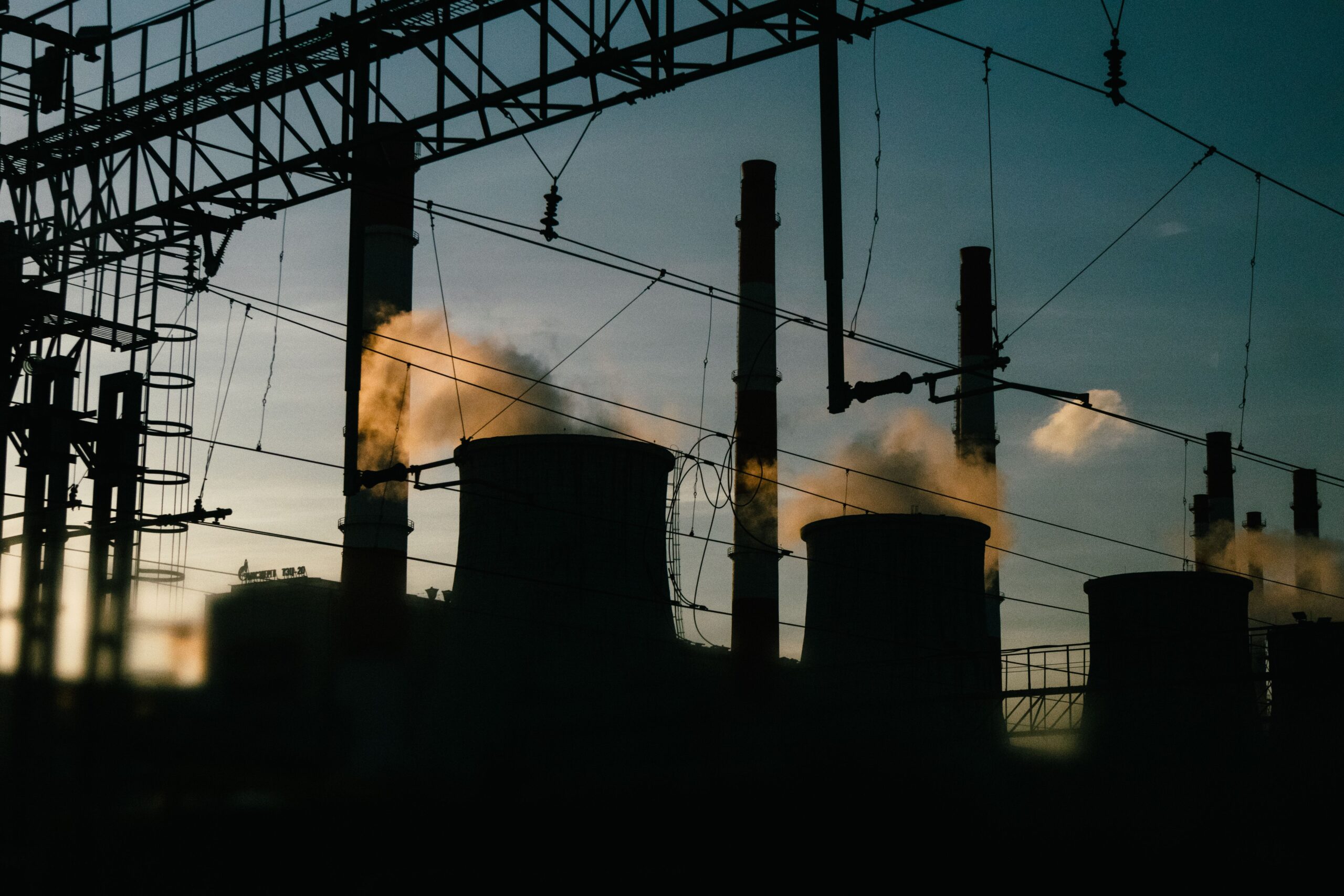
Analysts will now look to determine whether this failure is a temporary diplomatic impasse or a sign of deeper structural disagreements within the UNFCCC (United Nations Framework Convention on Climate Change) process. The next steps will likely involve bilateral or multilateral follow-up discussions to address the specific language dispute. However, without a formal agreement, there is no immediate policy deadline or measurable outcome resulting from COP31. The focus will shift to national policies and regional alliances as the global community grapples with the absence of a unified international consensus on fossil fuel transition.
The collapse of these talks serves as a reminder of the complex interplay between climate science, geopolitics, and economics. While the scientific consensus on the need to reduce greenhouse gas emissions remains robust, the political will to implement the necessary policies is increasingly tested by external shocks such as war and energy crises. The coming months will be critical in determining whether nations can bridge the divide on fossil fuel language and forge a path forward, or if the climate agenda will become further fragmented along geopolitical lines.