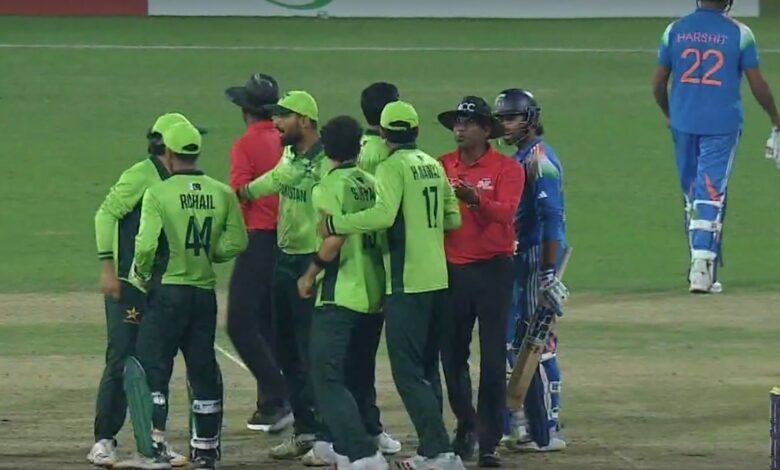
The game itself was a struggle from the outset for the chasing side. Pakistan’s bowlers set a target of 314, a total built on a disciplined first 10 overs that Varma acknowledged in his post-match remarks. “The second half was slightly swinging initially, in the first 10 overs. Credit goes to those two fast bowlers who bowled very good lines and lengths,” Varma said. However, the Indian innings collapsed to 129 for six, leaving the lower order with a significant deficit. The only significant resistance came from a 112-run stand for the seventh wicket between Varma and Shahbaz Ahmed. Ahmed scored 56 off 41 balls, while Varma anchored the chase with an unbeaten century from 149 deliveries. Despite their efforts, India were bowled out for 265, falling short of the target.
Varma highlighted the timing of Shahbaz Ahmed’s dismissal as a critical turning point. “Unfortunately, when we wanted to accelerate, Shahbaz got out. Otherwise, if he could have stayed for another two overs, I could have finished the game,” Varma explained. He noted that while Abhishek Sharma had provided a strong start with 70 off 42 balls, the middle order failed to maintain the scoring rate, conceding wickets in quick succession. “I won’t say that [my century] was one of my best batting performances. For me, the best is winning the game. If I don’t win the game, then it’s not the best for me,” Varma stated, emphasizing that individual accolades held little value without a result.
This encounter in Doha was the second India-Pakistan meeting in eight days. On November 14, India’s U19 team, featuring Aaryavir Sehwag and Anvay Dravid, had defeated Pakistan in the Asia Cup final, chasing down 338 to win by one wicket in another long, exhausting affair. The recurrence of high-stakes, dramatic finishes has led to a surge in the frequency of these confrontations. Since the senior men’s Asia Cup in September 2025, the two nations have featured in 14 fixtures across senior, A-team, and age-group competitions. This stands in stark contrast to 2007, the last year of bilateral Test cricket between the two, when they played a total of 10 international matches: five ODIs, three Tests, and two T20 World Cup games.
The proliferation of these matches has sparked debate regarding the nature of the rivalry. Critics argue that the two cricket boards and the Asian Cricket Council (ACC) are maintaining a “charade” that bilateral cricket is off the table, while simultaneously ensuring frequent meetings through multi-team tournament structures. The financial incentives are clear; the broadcasters and both boards benefit from the guaranteed commercial appeal of an India-Pakistan fixture. As one source noted, “If the two teams are going to be brought together so frequently, why maintain the charade that bilateral cricket is entirely unacceptable?” The streaming numbers from Sunday’s Rising Stars encounter further testify to the commercial viability of these non-bilateral contests.
Ambiguity also persisted regarding the conduct of the players. The customary exchange of greetings before and after the match was once again absent, continuing a practice adopted by Indian cricket teams since the Asia Cup in Dubai last year. The Marylebone Cricket Club (MCC), the custodian of cricket’s laws, has stated it has little control over the matter. Fraser Stewart, the MCC’s Laws Manager and Head of Cricket, clarified that while the MCC would prefer players to shake hands, decisions on the issue are driven by geopolitical factors beyond the sport’s regulatory body. “If there are edicts coming from above about handshakes, that’s not something that MCC can control,” Stewart said. “We would like to see it, but we realise there are bigger issues at play, and that’s something beyond our control.”
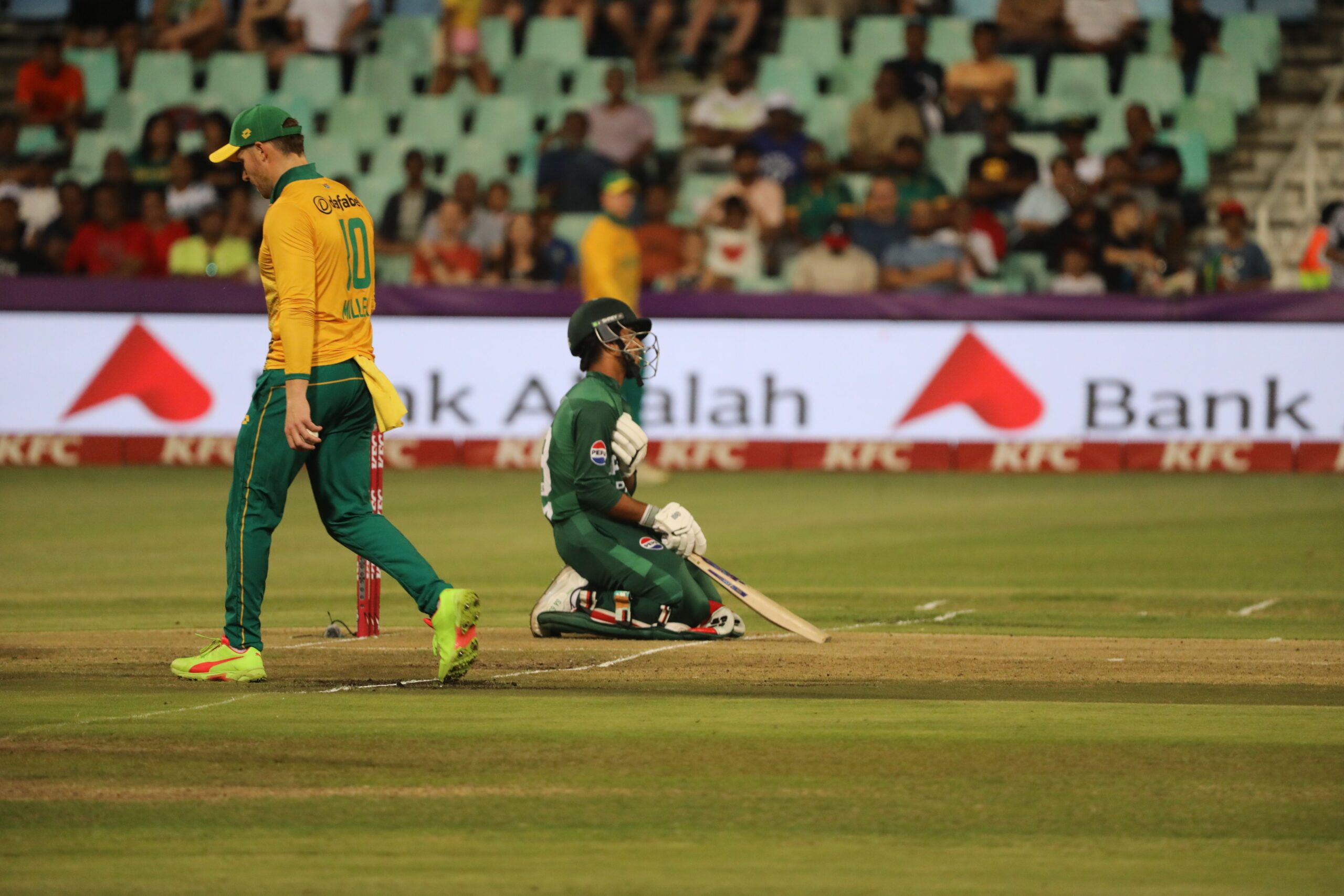
Stewart added that the MCC’s role is to ensure respect for the umpires and the game on the field, but it cannot challenge decisions taken at a higher level. “There are certain instances that transcend cricket and come from a level that’s above my station to talk about geopolitical situations,” he said. This lack of handshake, combined with the nine-hour duration of the Doha match and the intensity of the U19 final in the preceding week, has led some to describe the current state of the rivalry as a “circus,” where the frequency of encounters has outpaced the traditional bilateral framework.
As the players returned to their respective camps, the question remains unresolved: whether the current model of frequent, tournament-based encounters is a sustainable alternative to bilateral cricket, or merely a commercial expedient that dilutes the historical significance of the rivalry. The next fixture will likely continue this cycle, with the two sides once again brought together in a multi-team setting, keeping the audience engaged but the structural contradictions intact.