
The U.S. Department of State issued a worldwide caution on February 22, 2026, urging Americans to exercise increased caution across a wide swath of Mexico. The alert specifically highlights Jalisco State, including the cities of Puerto Vallarta, Chapala, and Guadalajara, as well as Baja California State, covering Tijuana, Tecate, and Ensenada. The scope of the caution extends to Quintana Roo State, encompassing Cancun, Cozumel, Playa del Carmen, and Tulum, as well as Nayarit State, particularly the Nuevo Nayarit/Nuevo Vallarta area. The alert also covers Sinaloa, including Mazatlán, and areas of Colima, Guanajuato, Guerrero, Estado de Mexico, Michoacán, Nuevo León, Oaxaca, Puebla, Querétaro, San Luis Potosí, Tamaulipas, Veracruz, and Zacatecas.
In response to the security environment, specific directives have been issued for U.S. government personnel. Staff in Guadalajara, Puerto Vallarta, Ciudad Guzmán, Cancun, Playa del Carmen, Cozumel, Reynosa, Tijuana, and Michoacán were ordered to shelter in place and work remotely on Monday, February 23. The Department advised U.S. citizens in these locations to follow the same protocol. Additionally, all U.S. government staff at the Consulate General in Monterrey were directed to remain within the Monterrey metropolitan area, and staff were instructed not to travel to Mazatlán through Wednesday, February 25. These measures reflect a temporary but substantial contraction of official and potentially private movement across these jurisdictions.
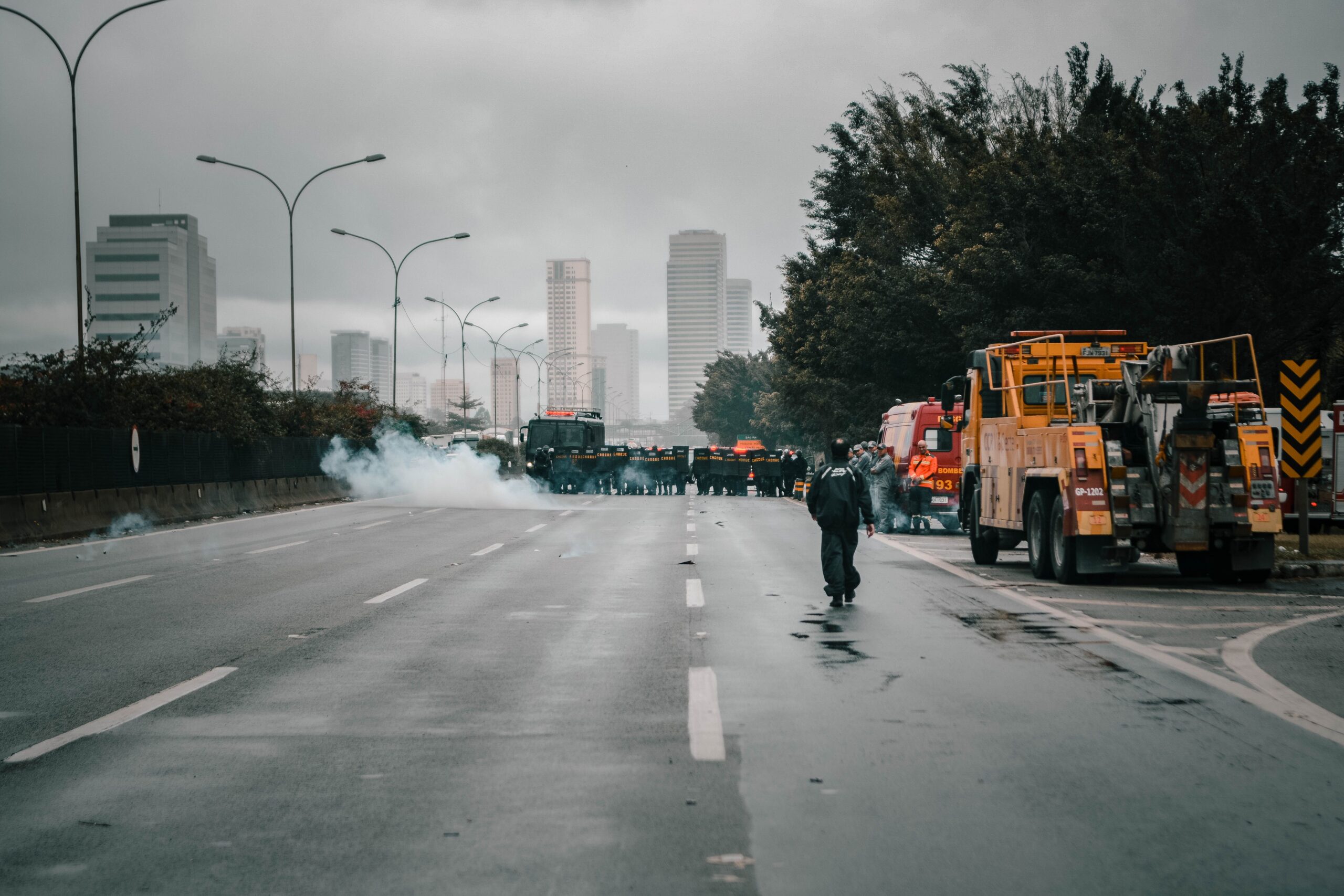
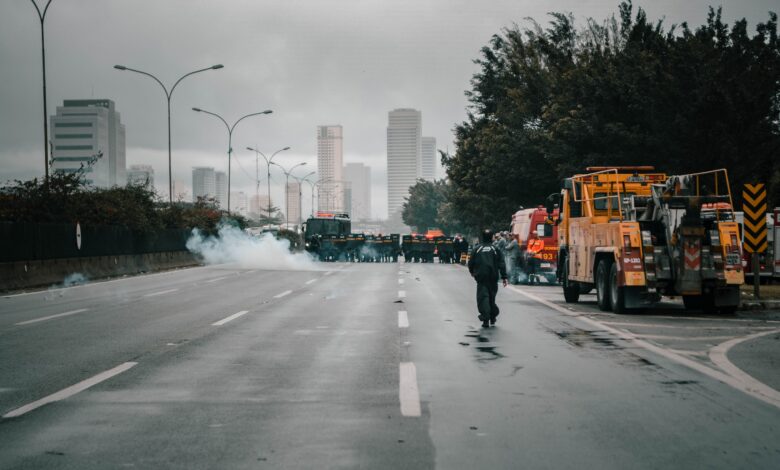
The economic friction extends beyond individual cities to the national highway network. Mexican authorities announced late on February 22 that operations on toll roads would be temporarily curtailed in Puebla, Guerrero, Tamaulipas, Nayarit, San Luis Potosí, Tijuana, Querétaro, Veracruz, and Mazatlán. The primary driver for these curtailments is the presence of blockades that have actively affected motorists. For businesses reliant on just-in-time supply chains or daily commuter flows, these road closures represent a direct operational risk. The suspension of toll road operations implies a halt in the flow of goods and people through these critical corridors, potentially delaying shipments and affecting local service industries that depend on road access.
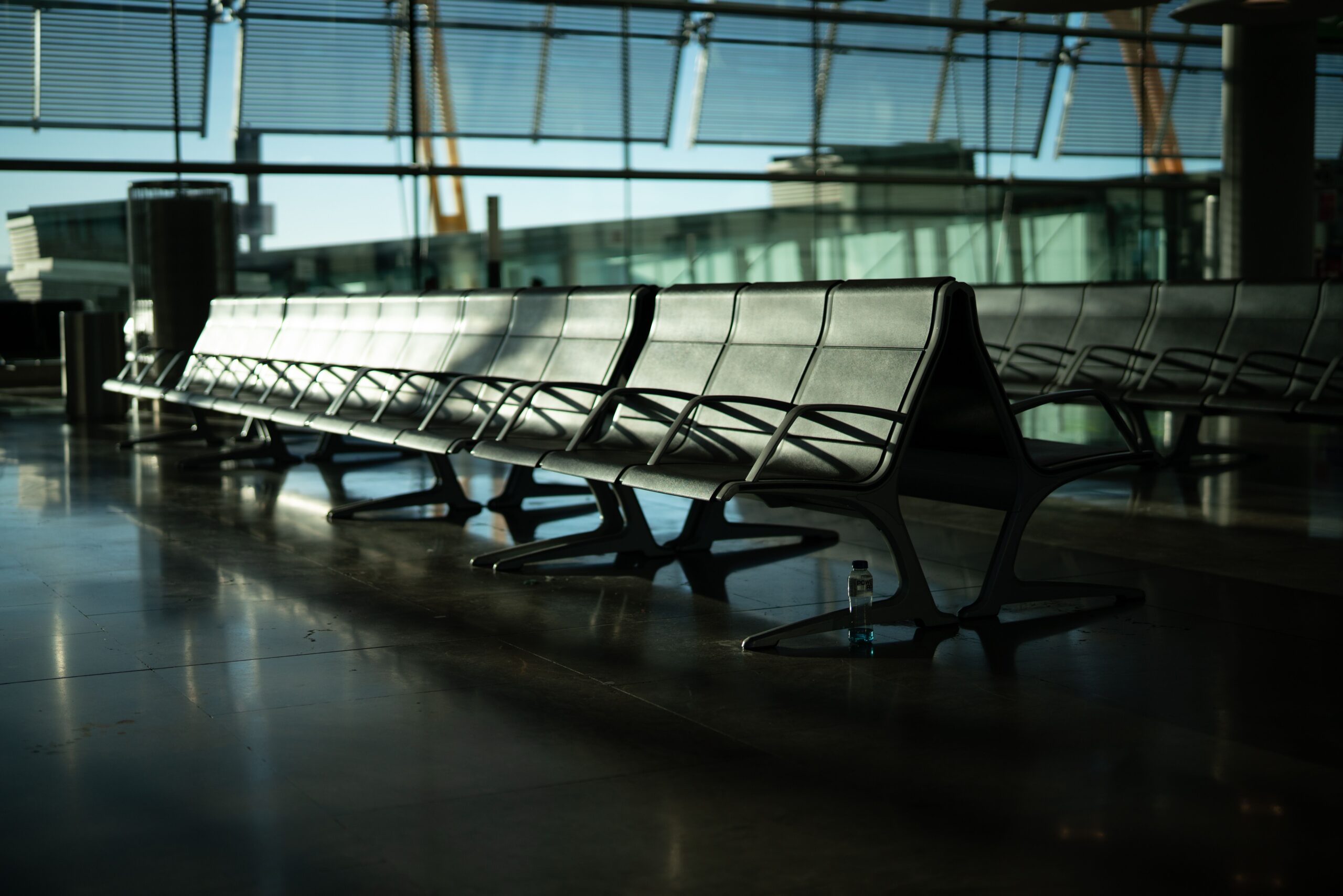
The disruption is particularly acute in the tourism-heavy regions of Jalisco and Quintana Roo. In Puerto Vallarta, the combination of flight cancellations and the suspension of ride-share services creates a logistical bottleneck for residents and visitors alike. The suspension of some business operations in the area suggests that the immediate economic impact is being felt by small and medium-sized enterprises that cannot continue without normal transport infrastructure. Similarly, the cancellation of most flights in Guadalajara, a major industrial and commercial hub, underscores the severity of the road blockages, which have spilled over to impact airline operations despite the airports remaining open.
The U.S. Department of State has provided specific guidance for individuals in affected areas, urging them to seek shelter, minimize unnecessary movements, and avoid areas around law enforcement activity. Travelers are advised to check the official social media account @CAPUFE on X for the status of road closures and to monitor local media for updates. In case of emergency, individuals are instructed to call 911. The Department also recommends that individuals keep family and friends advised of their location and well-being via phone, text, or social media, a standard protocol during periods of heightened uncertainty to ensure that loved ones can track their status.
For those requiring consular assistance, the U.S. Embassy and Consulates in Mexico have established specific contact channels. From within Mexico, individuals can reach the offices at +52-55-2579-2000. From the United States, the direct line is 011-52-55-2579-2000 or +1-301-985-8843. The Department of State’s Consular Affairs office can also be reached at +1-888-407-4747 or +1-202-501-4444. These resources are critical for U.S. citizens navigating the disrupted travel landscape, particularly in locations where local communication infrastructure or normal business hours may be affected by the security operations.
The current situation highlights the vulnerability of economic activity in Mexico to security-related disruptions. The widespread nature of the blockades, affecting nine distinct states and regions, suggests a coordinated or simultaneous pressure on infrastructure that has forced both public and private sectors to halt normal operations. As the situation evolves, the key indicators to watch will be the restoration of toll road operations and the resumption of flight schedules in Guadalajara and Puerto Vallarta. Until these logistics are normalized, the economic and personal impacts on residents and businesses in these areas are likely to persist, with the shelter-in-place orders serving as a immediate containment measure for U.S. personnel.




One Comment