

The core of this development lies in the reclassification of global security conditions. By issuing a warning that applies broadly, the U.S. government is signaling that the probability of security incidents—ranging from terrorism to civil unrest—is elevated in a manner that affects a wide spectrum of destinations. This is not merely a bureaucratic update; it is a reflection of a trading and diplomatic environment where geopolitical friction has become a constant variable. For the average traveler, this means that the standard precautions taken in stable regions are now deemed insufficient, requiring a heightened state of awareness regardless of location.
The implications of such a broad warning extend beyond individual safety to the broader economy of travel and tourism. When a major source of inbound tourism issues a global alert, the psychological impact on consumer confidence can be substantial. Travelers may delay bookings, cancel trips, or avoid international destinations altogether, not because of specific, documented imminence of danger in every country, but due to the generalized uncertainty created by the advisory. This hesitation can ripple through the hospitality sector, from airlines to hotel chains, as demand forecasts are adjusted downward to reflect lower consumer willingness to travel.
However, it is crucial to distinguish between the official advisory and the actual operational reality on the ground. A travel warning is a tool for risk communication, designed to ensure that citizens are informed of potential threats. It does not, in itself, constitute evidence of an immediate, universal crisis. The U.S. State Department’s advisory system typically varies in severity, and a global warning suggests that the underlying threats are diffuse rather than concentrated. This nuance is often lost in public perception, where the headline of a “global warning” can overshadow the specific, localized risks that the advisory is intended to highlight. For businesses operating internationally, this creates a complex landscape where risk mitigation strategies must be both broad in scope and specific in application.
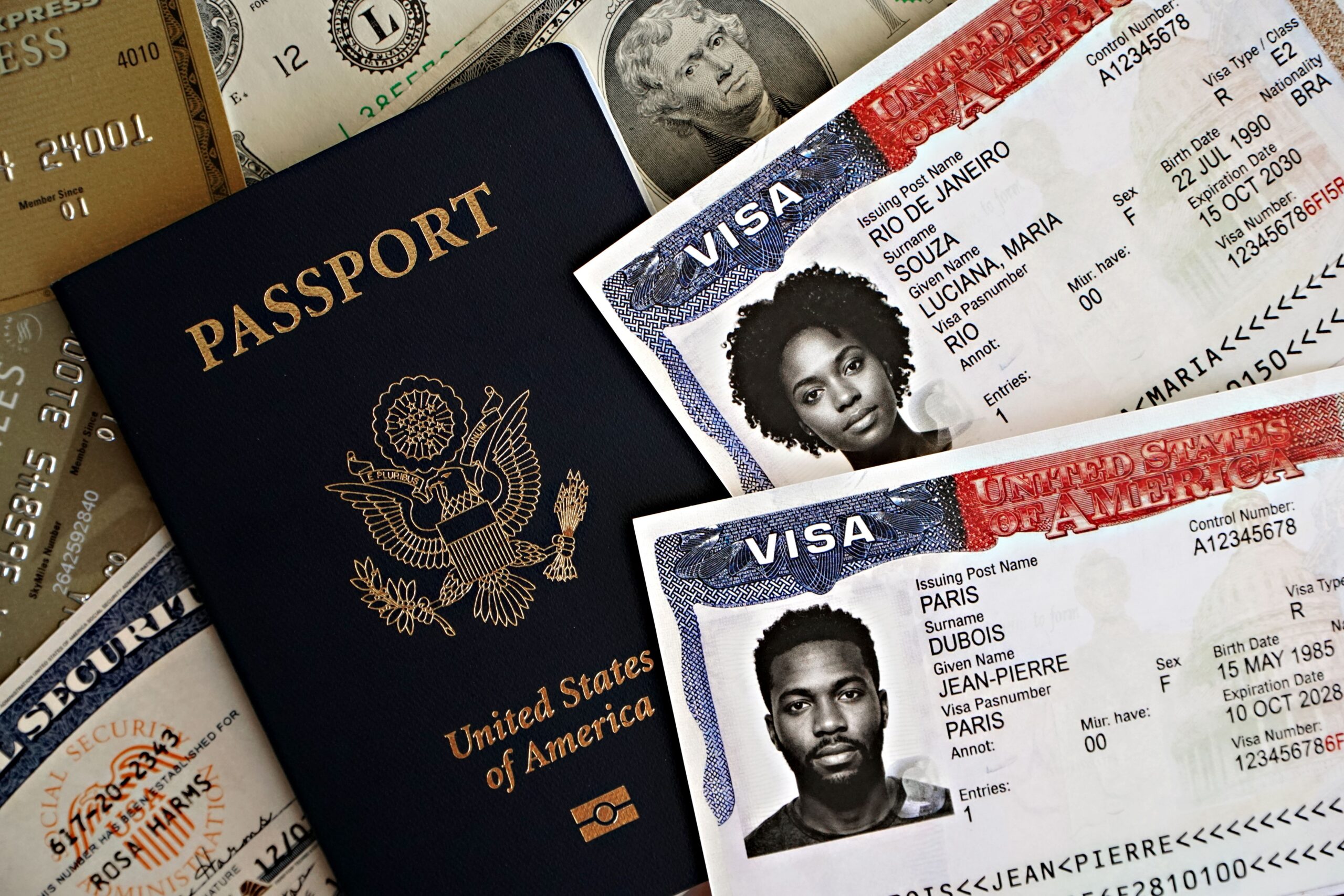
The driving forces behind such a warning are rooted in the current geopolitical climate. Increased tensions between major powers, ongoing conflicts in various regions, and the rise of non-state actors have contributed to a more volatile global security environment. These factors have led policymakers to adopt a more cautious approach to risk communication. The goal is to prepare citizens for a world where security threats can emerge unexpectedly, even in regions previously considered stable. This shift in policy reflects a broader trend in international relations, where the unpredictability of global events has become a defining feature.
For households and individuals, the impact is primarily one of planning and precaution. The advisory serves as a reminder to stay informed, maintain contact with embassies, and be aware of local conditions. It does not prohibit travel, but it does heighten the responsibility of the traveler to assess risks. For families, this may mean reevaluating travel plans, particularly for those with children or elderly members, who may be more vulnerable in a security incident. The economic effect on individual budgets is indirect, manifesting in potential changes to travel insurance costs, the need for more flexible booking options, or the decision to forgo international trips in favor of domestic alternatives.
Businesses, particularly those in the travel and tourism industry, are responding by adapting their customer service and risk management practices. Airlines and travel agencies are likely seeing increased inquiries regarding refunds, changes, and safety protocols. This requires a shift in operational focus, with more resources dedicated to customer communication and crisis management. The uncertainty created by the global warning introduces a layer of complexity to business planning, as demand becomes more sensitive to news cycles and geopolitical developments. Companies may need to invest in more robust risk assessment tools and flexible supply chain arrangements to mitigate the impact of sudden changes in traveler behavior.

Despite the gravity of the warning, it is important to note that the travel industry remains resilient. Historically, global travel has recovered from various shocks, and the underlying desire for international mobility persists. The warning is a signal of caution, not a halt to activity. For the near term, the focus will be on how travelers and businesses adapt to this new baseline of heightened awareness. The next key indicator to watch will be the actual volume of travel bookings and the specific regions where travelers are choosing to go or avoid. This data will provide a clearer picture of how the global warning is translating into real-world economic behavior, separating genuine risk avoidance from mere perception-driven hesitation.
In conclusion, the U.S. global travel warning is a significant development that underscores the interconnectedness of security and economic activity. It forces a reevaluation of how risks are perceived and managed in a volatile world. For travelers, it is a call to vigilance; for businesses, a challenge to adapt; and for policymakers, a reflection of the complex geopolitical landscape they navigate. The coming months will reveal whether this warning leads to a sustained shift in travel patterns or remains a temporary adjustment to an evolving security environment. The household and the trade route, once taken for granted, are now subject to a new layer of scrutiny and caution, with the next data release on international arrivals and departures serving as the critical metric for understanding the true economic impact of this global alert.