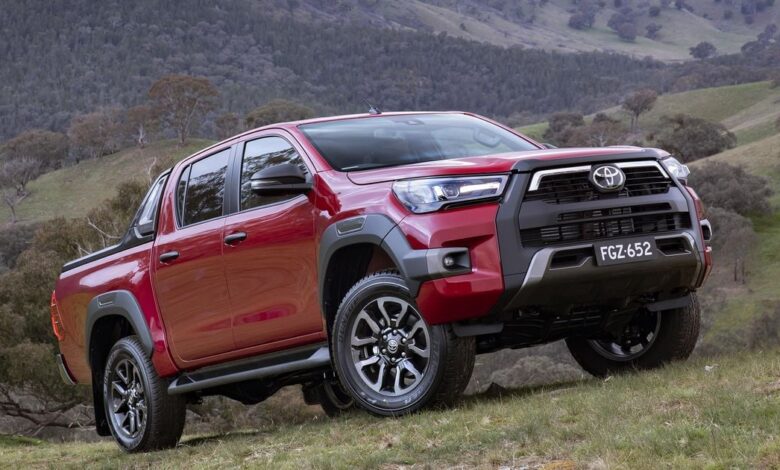
The settlement marks the resolution of the Williams class action, filed in 2019, and the Taylor class action, initiated in July 2025. Together, these proceedings address defects in DPF systems installed in 264,170 vehicles acquired in Australia between October 1, 2015, and April 23, 2020. The affected vehicles were equipped with either 2.8-litre (1GD-FTV) or 2.4-litre (2GD-FTV) turbo-diesel four-cylinder engines.
The legal dispute centers on the quality of the DPFs, which are designed to trap soot from diesel exhaust and periodically burn it off through a regeneration process. In April 2022, the Federal Court of Australia ruled that the DPFs on the specific vehicle versions constituted a “core defect.” The court determined that the systems were not of acceptable quality, a finding that Toyota Australia failed to overturn on appeal in 2023. Following the initial ruling, the Federal Court ordered compensation; however, in 2023, the court reduced the initial compensation order to 17.5 per cent of the vehicle’s “average retail price.” The current $750 million agreement supersedes or adjusts this framework to settle the claims comprehensively.
The scope of the settlement is defined by the distinct eligibility criteria of the two class actions. The Williams case covers original buyers who acquired affected vehicles during the primary production window (October 2015 to April 2020), including certain second-hand buyers. The Taylor action, which was launched more recently, extends coverage to qualifying owners who purchased affected vehicles privately from their original owners between April 24, 2020, and July 31, 2025, and who still hold title to those vehicles. This expansion acknowledges that the defect and its resulting inconveniences persisted beyond the initial period of new vehicle sales, affecting subsequent private buyers.
Toyota Australia acknowledged the impact of the defect in a statement released to media outlets. “Toyota Australia has agreed to a settlement in the DPF Class Action case. The settlement is subject to Court approval,” a spokesperson said. The company apologized for the “inconvenience or discomfort” experienced by customers, citing issues such as excessive, foul-smelling white smoke, increased fuel consumption, and the need for repeated unscheduled inspections and repairs. Toyota noted that a free-of-charge technical remedy for the DPF hardware has been available since 2020, but the financial settlement addresses the broader consumer losses and legal liability established by the court.
The financial scale of the settlement is substantial relative to Toyota Australia’s recent performance. The proposed $750 million payout is nearly double the company’s record after-tax profit of $380 million for the financial year ended March 31, 2026. While the settlement resolves the civil liability regarding the defective parts, it does not constitute an admission of criminal wrongdoing, as the proceedings were civil class actions focused on product quality and consumer law.

Legal experts note that the settlement represents a significant milestone in Australian product liability law, particularly regarding the definition of “acceptable quality” for complex automotive components. By covering both original purchasers and subsequent private buyers within a specific timeframe, the resolution addresses the chain of ownership and the ongoing nature of the defect’s symptoms. The Federal Court’s approval is the final procedural step required to make the settlement enforceable. Once approved, affected participants will be directed to contact their legal representatives to claim their portion of the fund.
The next formal step in this process is the Federal Court’s review and subsequent approval of the settlement terms. Until that order is made, the agreement remains a proposed resolution rather than a final judgment. Owners of affected vehicles are advised to monitor communications from their legal representatives for details on eligibility and claim submission procedures.