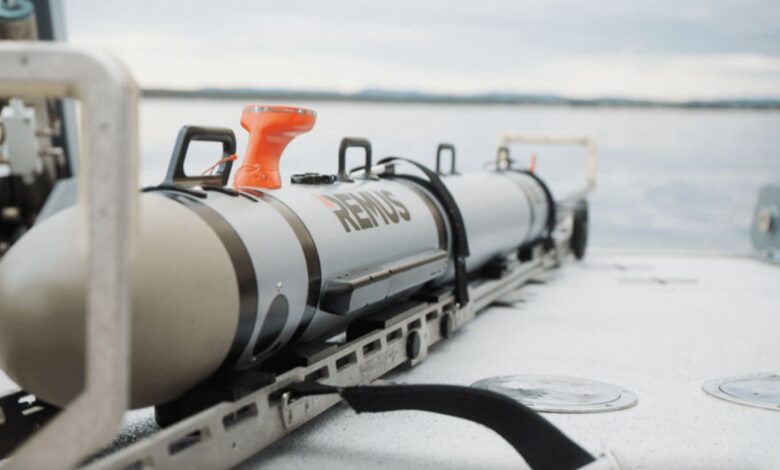
The Lionfish system is the Navy’s specific military configuration of the commercial REMUS 300 unmanned underwater vehicle. Developed in partnership with the Defense Innovation Unit (DIU) and the Naval Information Warfare Center-Pacific, the platform features a modular, open-architecture design. This architecture allows for the integration and upgrading of different payloads as operational requirements evolve, ensuring the system remains adaptable to emerging threats. HII states that the Lionfish is currently the first and only cyber-compliant UUV in production for the US Navy, a distinction emphasized by Captain Jonathan Haase, the DIU’s program manager for Expeditionary Missions, who noted the platform’s stepwise capability improvement in underwater robotics and artificial intelligence.
With this new order, HII is tasked to build, test, and deliver a total of 175 Lionfish SUUVs (Small Unmanned Undersea Vehicles). The Navy already operates 50 Lionfish units, meaning the expansion will nearly triple the fleet size. The updated award carries a potential contract value exceeding $347 million, with the contract structured to scale to 200 SUUVs if required. Duane Fotheringham, president of HII’s Unmanned Systems group, stated that the award reflects the Navy’s continued investment in the system’s “operationally proven capabilities,” underscoring a focus on delivering advanced autonomous systems to support sailors and marines in evolving mission environments.
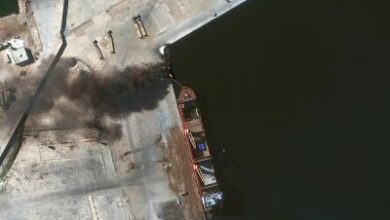
The strategic context for this procurement is defined by the heightened tension in the Gulf. The Strait of Hormuz, a critical chokepoint for global energy supplies, has seen increased attacks on commercial shipping by Iranian forces. In such a contested environment, traditional manned vessels face significant risks from mines and other underwater threats. The Lionfish is intended to replace the older MK 18 Mod 1 Swordfish UUV, a platform based on HII’s Remus 100. By transitioning to the more advanced Lionfish, the Navy aims to preserve free access to maritime routes and safeguard them from underwater explosive devices and adversary infrastructure, as outlined by the DIU.
HII, which manufactures the Lionfish, also produces the MK 18 Mod 2 Kingfish, based on the larger REMUS 600 platform, of which the Navy holds nearly 90 units. HII has delivered more than 750 REMUS vehicles to over 30 countries, including 14 NATO members, with more than 90% of systems delivered over the past 25 years remaining in active service. This track record supports the Navy’s decision to scale up production of the Lionfish, a platform that offers multi-mission adaptability and robust cyber security features.
The decision to expand the Lionfish fleet coincides with a broader military trend among the US and its allies to utilize unmanned platforms for maritime surveillance. Autonomous vehicles reduce the risk to personnel and enhance the ability to operate in contested waters. While HII has not specified a deployment location for the additional systems, the operational urgency is evident in the recent regional developments. Iranian media reported in September the capture of a Remus 600 UUV in the Strait of Hormuz, along with a Dive-LD UUV manufactured by Anduril. These incidents underscore the vulnerability of undersea assets and the critical importance of maintaining robust, autonomous mine countermeasure capabilities in the region.
The next phase of this procurement will focus on the delivery and integration of the 82 new vehicles into existing naval operations. The effectiveness of these systems will be closely monitored as they are deployed to mitigate the threat of underwater explosives, ensuring the continued flow of commercial shipping through one of the world’s most critical maritime corridors.