According to the results filing, the data centre segment’s profit before tax (PBT) jumped to RM139.54 million ($32.9 million) from just RM1.05 million a year earlier, representing a year-on-year increase of nearly 133 times. Revenue for the segment surged 491.35% to RM329.38 million, up from RM55.70 million in the same period of the previous fiscal year. This financial performance underscores the commercial viability of YTL Power’s entry into the high-performance computing market, a sector where the group invested RM13.5 billion after acquiring a 50% stake in Dodid Pte Ltd in 2021. Dodid owns a 12.5MW Tier-3 data centre in Singapore, while YTL Power operates facilities in Johor, Malaysia, equipped with graphics processing units (GPUs) from Nvidia.
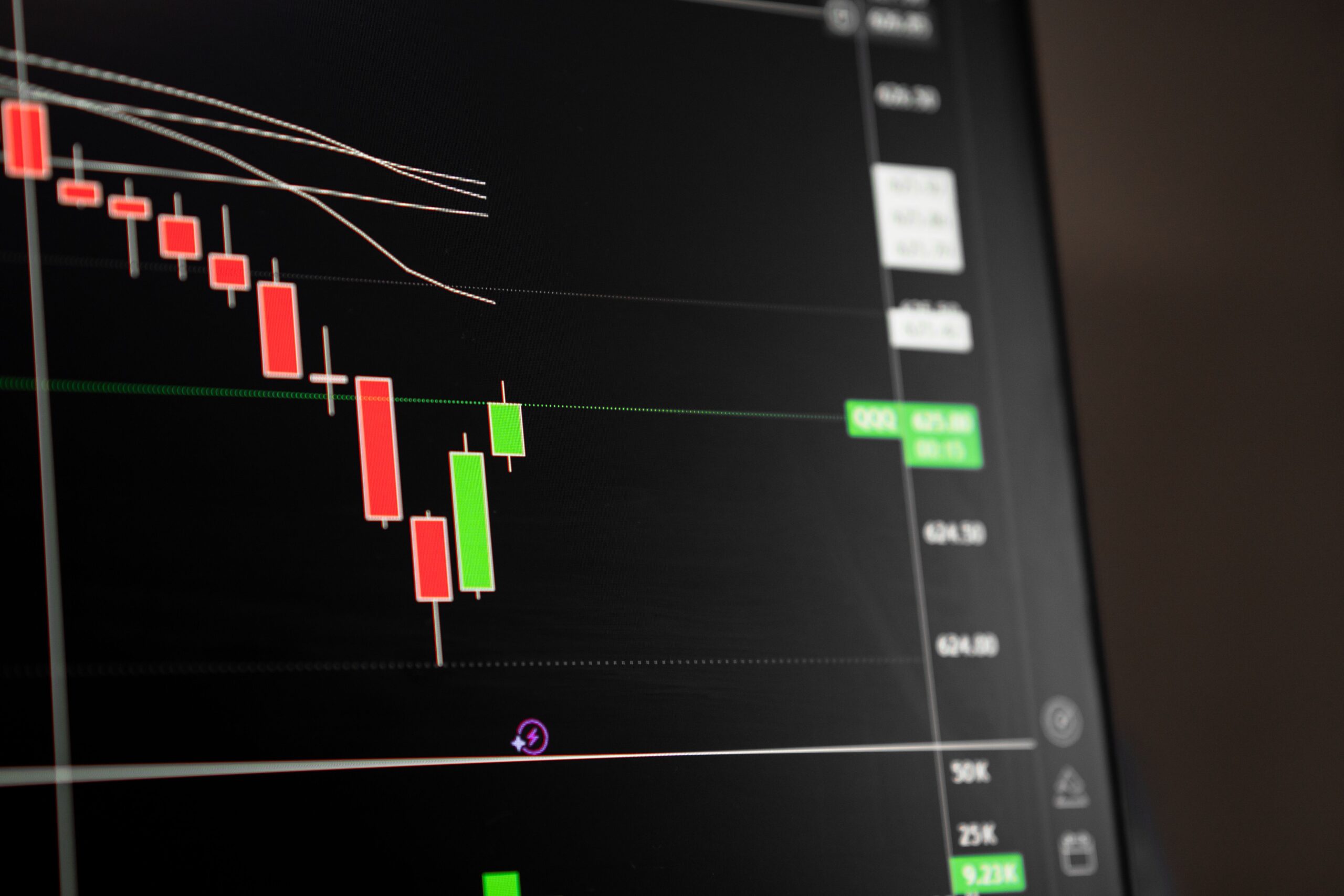
The strong financial results stand in sharp contrast to the company’s recent stock performance. YTL Power shares have lost 18.2% of their value since the end of October, falling from RM5.32 to RM4.35, a decline that wiped out RM8.71 billion in market capitalization. The sell-off accelerated in the last two weeks, with the stock erasing over RM3 billion in a single session following reports that Nvidia co-founder and CEO Jensen Huang had resigned from all executive and board roles. Nvidia named Chief Financial Officer Colette Kress as the interim chief executive in his absence.
The trigger for the market volatility was not a technical failure or a breach of contract by YTL Power, but rather a scandal involving Huang’s personal conduct and its alleged intersection with national security. Media reports indicate that Huang’s resignation followed disclosures of two extramarital affairs. One affair involved a Singapore-based technology executive whom U.S. officials suspect of espionage for China. This individual is alleged to have worked for Megaspeed International, a Singapore-based cloud firm reported to be a major customer of YTL Power. Allegations suggest she facilitated the shipment of at least $7.5 billion worth of Nvidia chips to Chinese firms, in violation of U.S. export controls. Megaspeed, through its Malaysian unit Speedmatrix Sdn Bhd, is currently under investigation by U.S. and Singaporean authorities. Malaysia’s Investment, Trade and Industry Minister Tengku Zafrul stated that the government is ready to facilitate any formal request to investigate Speedmatrix but has yet to receive such a request.
Crucially, there is no credible evidence implicating YTL Power in any alleged chip diversion or wrongdoing. YTL Power has remained silent on the matter in its latest quarterly report and has not responded to queries from media organizations regarding the controversy. However, the company’s silence has not stopped it from projecting confidence in its future prospects. The group stated it is looking to expand geographically beyond the Kulai Data Centre Park in Johor. The company’s digital subsidiary, YTL AI Cloud, is developing the “YTL Green Data Center Campus,” which is set to go live in the third quarter of 2025 with up to 72MW of capacity.
This infrastructure is designed to house high-performance AI chips, including Nvidia’s GB200s and eventually Blackwell Ultra GPUs, all powered by green energy. In a previous agreement announced in December 2023, YTL Power and Nvidia committed to developing $4.3 billion in artificial intelligence cloud and supercomputer infrastructure in Malaysia. More recently, the two companies signed an agreement to develop an additional $2.36 billion of AI infrastructure, which includes a sovereign large language model for Malaysia. It remains unclear whether this new $2.36 billion commitment builds upon or is separate from the earlier $4.3 billion pledge, a question YTL Power has not yet clarified.
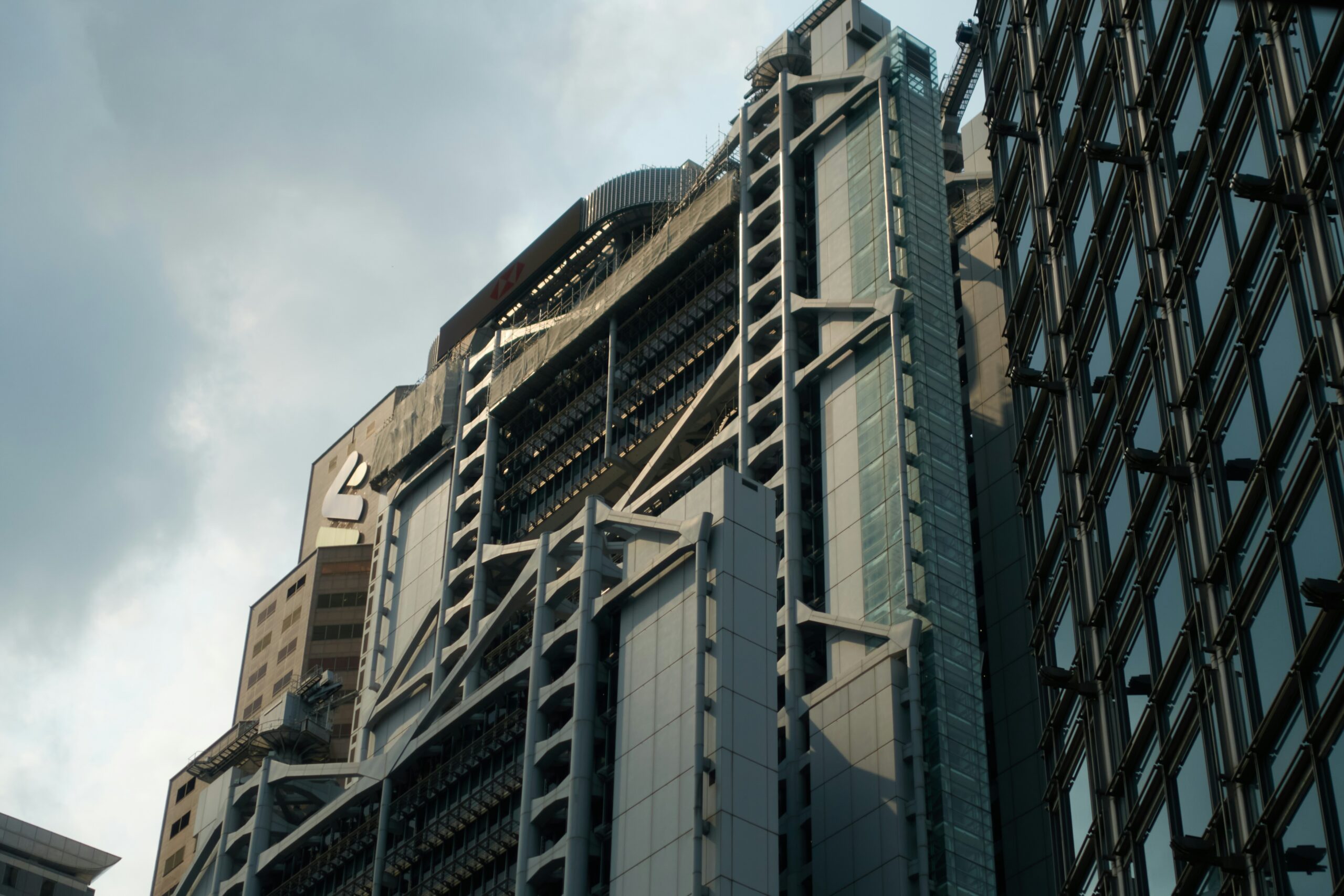
Despite the stock price decline, analysts suggest the market reaction may be disproportionate to the actual business risk. CGS International, a research firm, described the sell-off as “excessive,” noting that YTL Power’s contracted colocation business continues to support the group’s valuation. The firm maintained an “add” rating with a target price of RM6.50, arguing that investors should distinguish between YTL Power’s stable colocation revenue and its broader, longer-term AI data centre ambitions. The firm believes that improving near-term earnings and growth prospects are not fully reflected in the current share price, despite the tightened scrutiny on AI chip supply chains and export controls.
The situation highlights the complex intersection of corporate partnerships, national security, and capital markets in the era of artificial intelligence. While YTL Power’s data centre segment is delivering exceptional financial returns, its value is now inextricably linked to the geopolitical stability of its technology partner. The upcoming resolution of the investigations into Megaspeed and Speedmatrix, along with any formal regulatory actions regarding chip exports, will be critical in determining whether the current market de-rating is a temporary overreaction or a signal of deeper structural risks in the Malaysian AI infrastructure sector.