Major General Eric Shirley, the Army official overseeing the disposal effort, stated on Tuesday that “inaction is no longer an option.” He emphasized that the military has collaborated with state and federal officials to mitigate risks, citing the construction of earthworks around the blast site and the digging of cisterns to capture particles. The detonations follow a period of postponements and legal challenges. On Monday, a federal appeals court lifted an administrative stay that had paused the operation, clearing the path for the Army to proceed. President Donald Trump had previously ordered a hold, requiring court agreement, while Iowa Governor-elect Rob Sand has called for greater transparency regarding the situation’s origins.
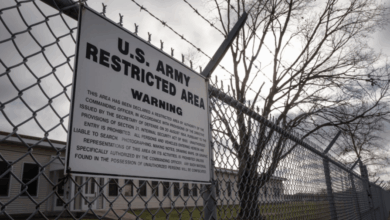
The lead azide, a detonating agent used in munitions since World War I, was discovered in a deteriorated state during a routine stockpile surveillance operation approximately eight months ago. The material had recrystallized, rendering it unstable. The Iowa Army Ammunition Plant, a 7,700-hectare facility in southeastern Iowa near the Mississippi River, holds the nation’s entire stockpile of this compound. The Army determined that transporting the material off-site posed an unacceptable risk of accidental detonation, leading to the decision for in-place neutralization.

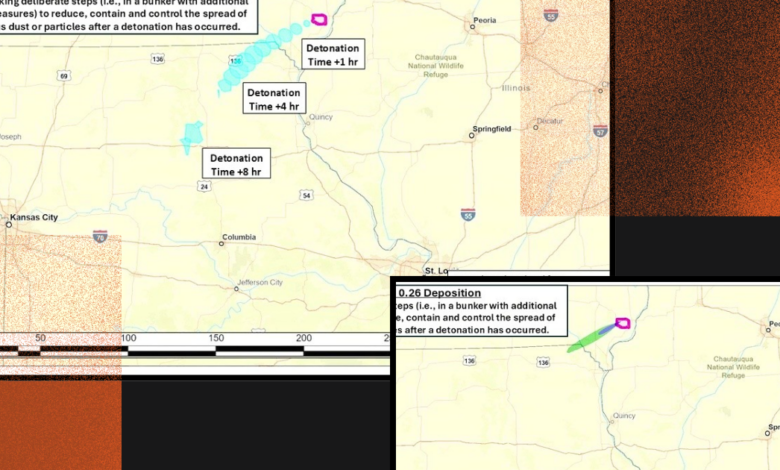
Environmental groups and local officials have raised concerns about the potential release of toxic lead particles. A government estimate suggests the lead dust plume could travel more than 160 kilometers (100 miles), potentially affecting homes, crops, and livestock in Iowa and Missouri. The Iowa Environmental Council and the Sierra Club initially filed a lawsuit to stop the detonation. In response, the Iowa Department of Agriculture and Land Stewardship issued guidance to farmers and livestock producers to reduce exposure risks. Secretary of Agriculture Mike Naig noted that the delayed timeline allowed for better coordination but criticized the lack of early communication to state officials.
University of Iowa researchers are deploying air and soil monitors around the site to track environmental impact, supplementing monitoring efforts by the Army and the Environmental Protection Agency. While the plume is expected to pass in between 15 minutes and an hour depending on wind speeds, it will not be visible to the naked eye. Health officials have advised residents to check their blood lead levels independently, as a formal comparative study could not be established in time. The Army states it will continue to work with federal agencies to ensure the safety of surrounding communities.