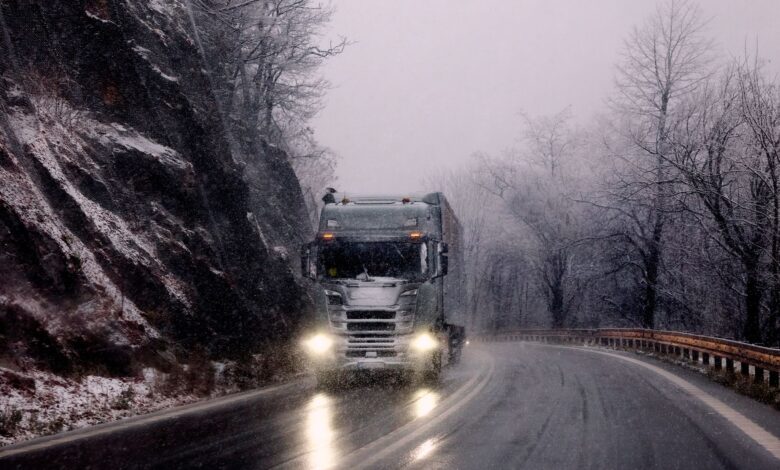
The cost of freight logistics has surged dramatically due to the heightened threat environment. According to market participants, the price to transport one loaded truck from Moscow to Crimea has risen from 250,000 rubles to approximately 1 million rubles. Drivers are currently attempting to traverse the dangerous segment between Rostov-on-Don and Mariupol at speeds of 130–140 km/h, often with military escort, to minimize exposure time. This speed has contributed to a rise in head-on collisions. Transport officials warn that impending winter weather, including ice and snow, will force drivers to reduce speeds, making vehicles more vulnerable to Ukrainian drone strikes.
Alternative supply routes via the Kerch Strait ferry are also constrained. As of November 23, the “Krymsky Vetr” monitoring channel reported that the ferry operates with limitations, prioritizing cargo for the Russian Ministry of Defense and the Federal Security Service (FSB). For general commercial cargo, including food and medicine from the priority list, wait times after obtaining permits range from three to 18 days. Ferry operations are also periodically suspended due to stormy weather and strong winds in the strait.
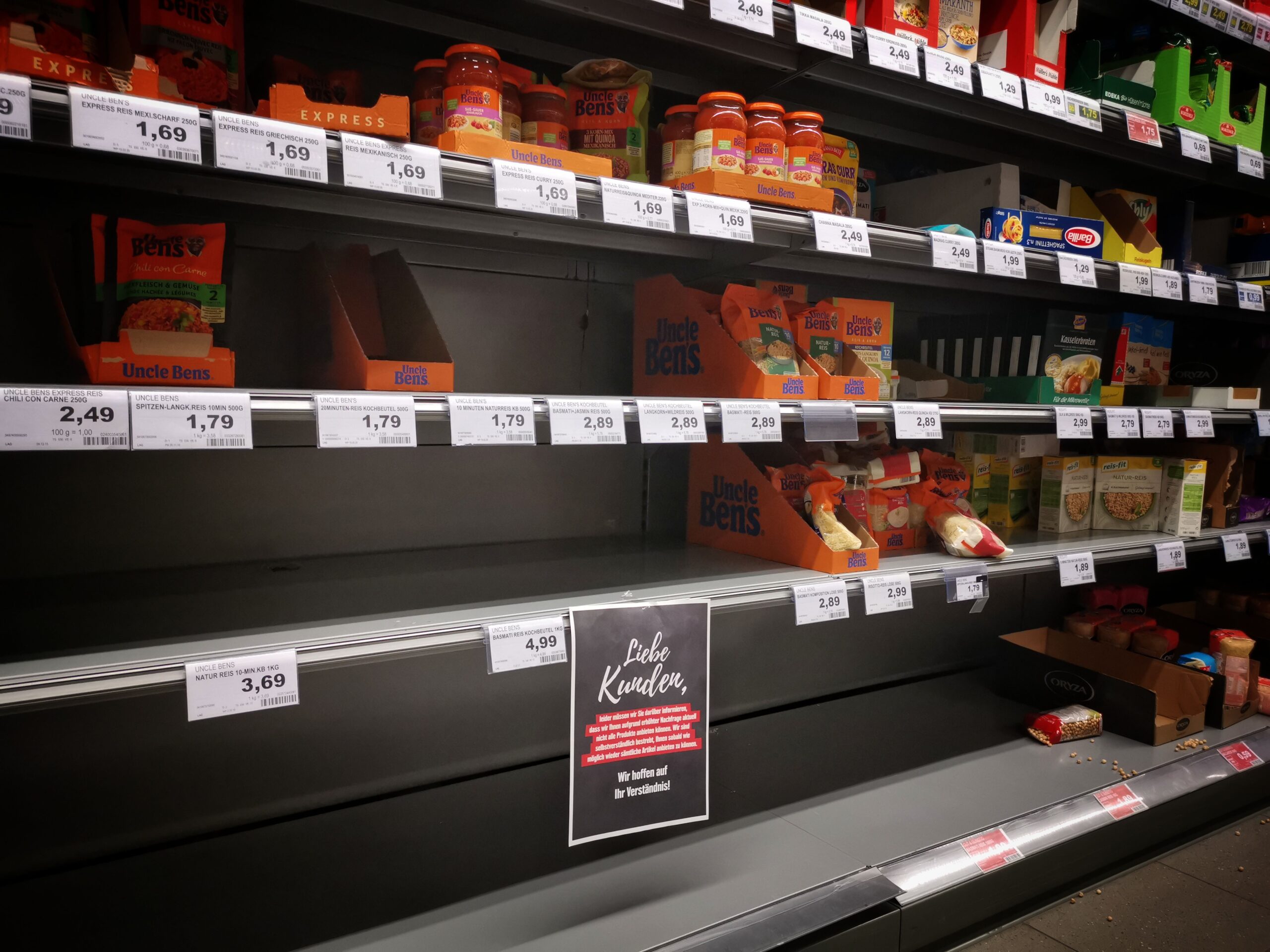
The occupied peninsula remains critically dependent on imports from Russia. Roman Bulionov, a member of the Crimean Chamber of Commerce and Industry’s agro-industrial committee, stated that the region produces only 25% of its own meat and 35% of its dairy products. He noted that local production of many food items is not economically viable.
These logistical disruptions follow a series of Ukrainian military actions targeting Crimea’s infrastructure. In May 2026, Ukrainian defense forces initiated a logistical isolation operation, striking trucks and fuel tankers on the R-280, which led to a fuel crisis and rationing by late May. In July, Ukrainian drone systems reportedly disabled three of the five Kerch ferries. On November 8, drones struck the bridge over the Mius River in Russia’s Rostov region, halting traffic. Subsequent strikes on November 14–17 damaged bridges over the Mius Liman and the Mius River again.
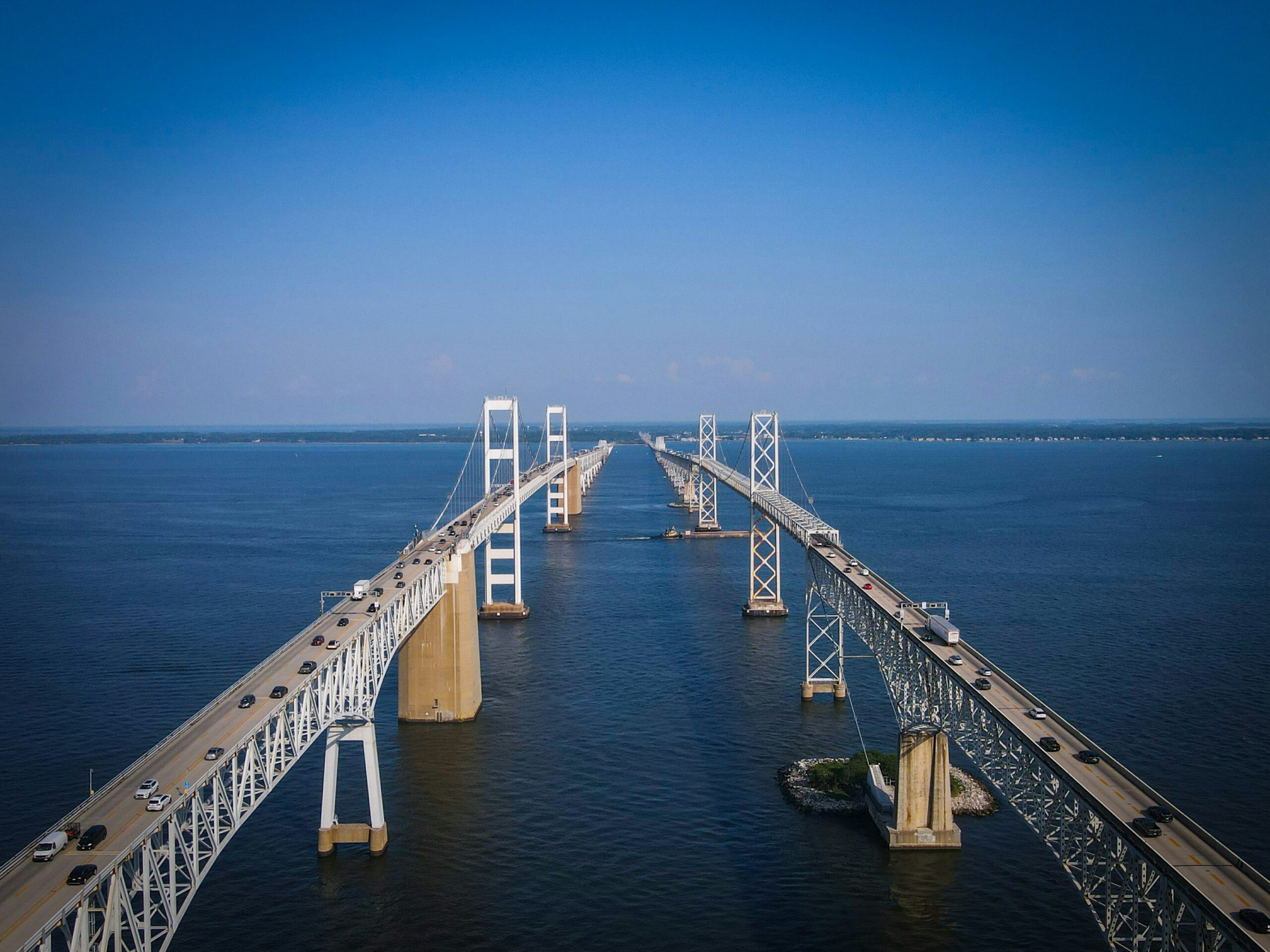
In late November, Ukrainian forces conducted a series of strikes on the Crimean Bridge. Between November 16 and 17, attacks reportedly caused part of the roadway and one metal arch to collapse into the sea, leading to queues at gas stations and shops in Kerch. On the night of November 19, Ukrainian coastal missile systems, identified as “Neptune,” further damaged the railway deck, halting train traffic. Authorities have not independently verified all specific technical outcomes of these strikes, though the cessation of rail and limited road movement is confirmed by operational reports.