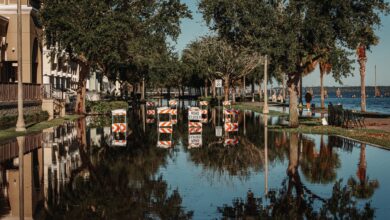

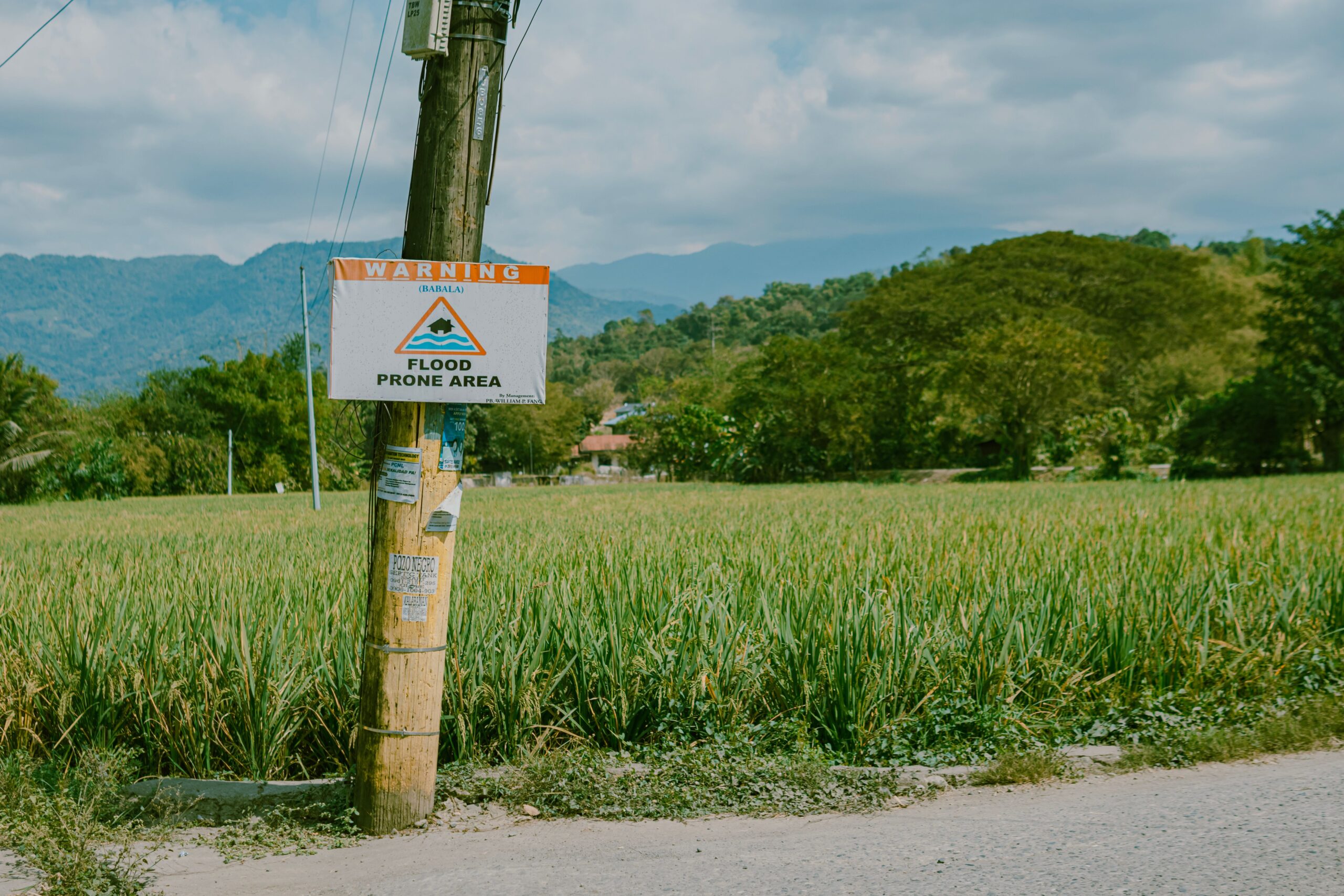
The prolonged rainfall has placed significant strain on local infrastructure and natural waterways. In response to rising water levels and flood risks, the Comox Valley Regional District and the City of Courtenay issued Evacuation Alerts late Wednesday. The provincial river forecast centre has issued a flood watch for eastern Vancouver Island and high streamflow advisories for the remainder of the island, indicating that water levels are expected to rise further.
Other weather stations in the region reported substantial, though lower, totals during the same 48-hour period. The Kennedy Lake station, located east of Ucluelet, recorded 261 millimetres of rain, while Estevan Point on the west coast of Vancouver Island measured 110 millimetres. These figures confirm that the heavy precipitation has affected a wide swath of the region, not just isolated pockets.
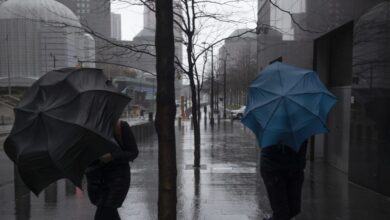
The current weather pattern is characterized by a collision of heavy rain, strong gusts, and the year’s highest tides. This combination has generated flood, wind, and rainfall warnings across much of the province’s south coast and Vancouver Island. The Transportation Ministry has advised drivers to check conditions before travelling through coastal areas due to the elevated risk of flooding on roadways.
According to Environment Canada, the final in a series of “potent” storms is expected to bring moderate to heavy precipitation into Thursday. Officials warn that this additional rainfall will compound the existing saturation of the ground, maintaining high risks for flash flooding and stream runoff. Monitoring of river levels and storm progress will continue through the weekend to update safety advisories for residents and travelers in the affected coastal zones.