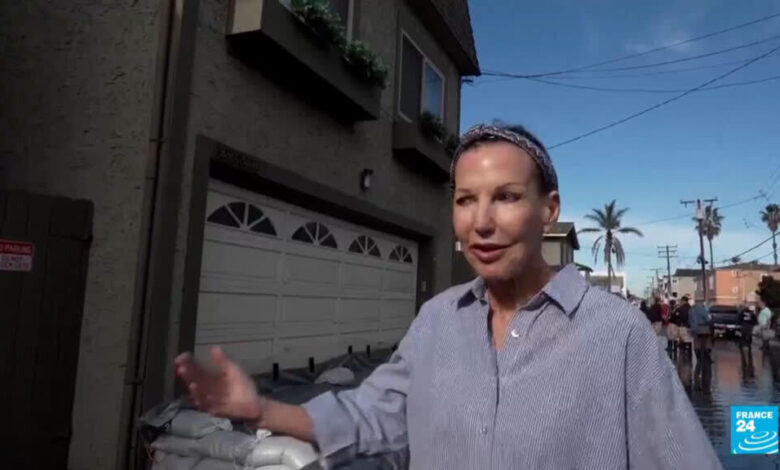
Despite the severity of the wave action and the resulting evacuations, the event did not lead to the feared mass disruptions to Thanksgiving holiday travel. This distinction is critical for understanding the current state of coastal resilience in the region; while the physical damage and displacement of residents were significant, the broader logistical networks remained functional. The juxtaposition of local devastation with regional stability highlights the localized nature of extreme tidal events, even as they occur against the backdrop of a major national holiday.
“King tides” are a meteorological and astronomical term referring to the highest high tides that occur a few times each year, typically in the fall and winter. These tides are not, in themselves, unusual or anomalous; they are a predictable part of the lunar cycle. However, when these natural peaks coincide with weather systems that push water onshore, the resulting water levels can exceed normal expectations. In San Francisco, the combination of these astronomical tides and local weather conditions produced water levels that surpassed the previous record for the month of November by a considerable margin, as noted by the National Weather Service.
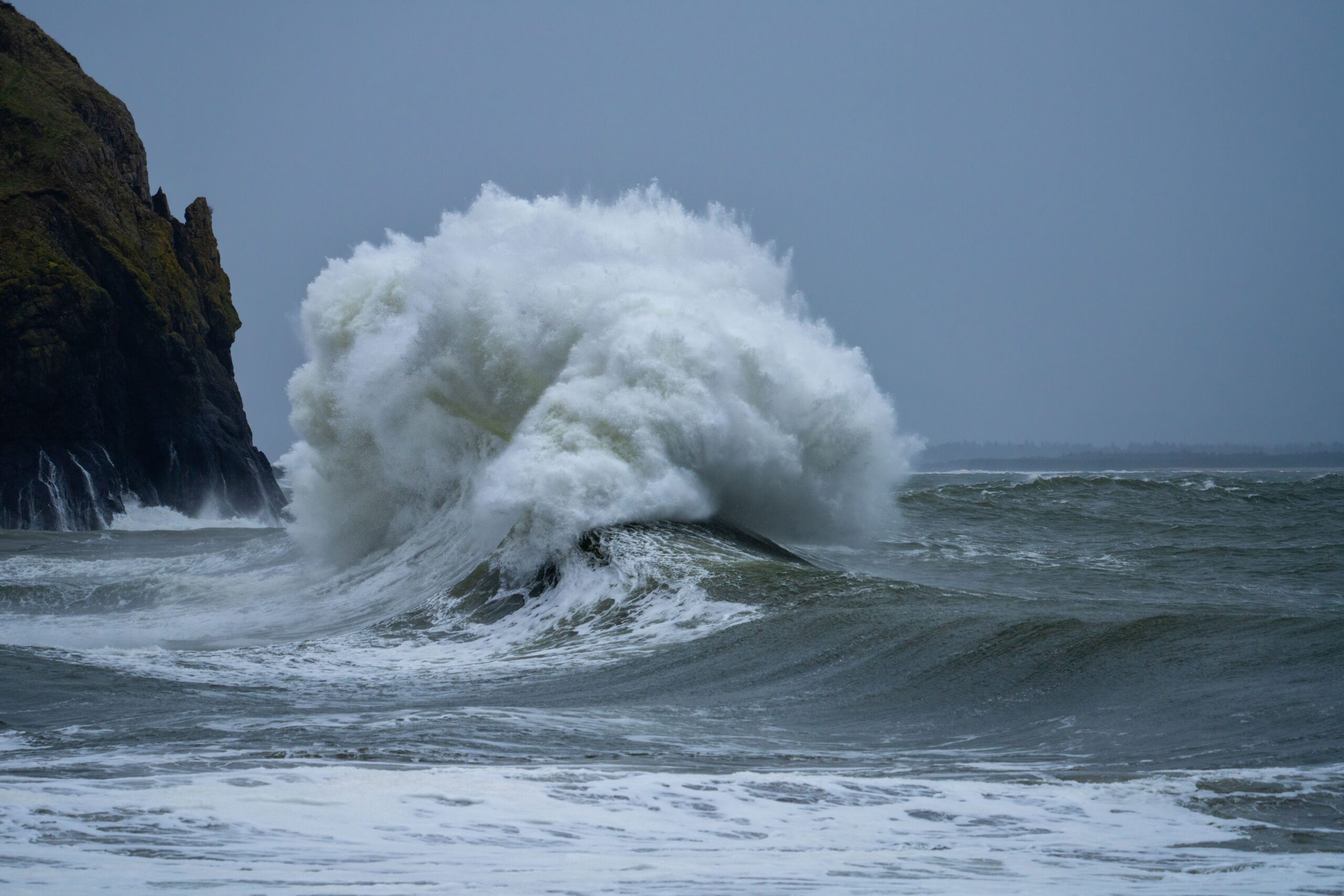
The scientific significance of this event lies in its role as a “preview” of future sea-level conditions. While the specific wave action on Wednesday was driven by short-term weather and tidal forces, the baseline water levels are influenced by the long-term trend of global sea-level rise. Although the provided source material does not explicitly detail the attribution of this specific event to climate change, the recording of a new 40-year high in November water levels is consistent with broader patterns observed in coastal regions. Such events serve as empirical data points, illustrating how the upper range of tidal variation is shifting upward over time.
The immediate human impact of these tides was evident in the evacuations ordered in San Francisco. While the specific neighborhoods or communities affected are not detailed in the available report, the necessity of evacuation indicates that water levels reached points of significant danger to property and life. This response underscores the vulnerability of coastal urban centers to tidal extremes. The fact that these tides occurred on the Tuesday and Wednesday preceding Thanksgiving suggests that the timing may have mitigated broader economic and logistical consequences, as many residents and businesses were already in transition or preparing for the holiday break.
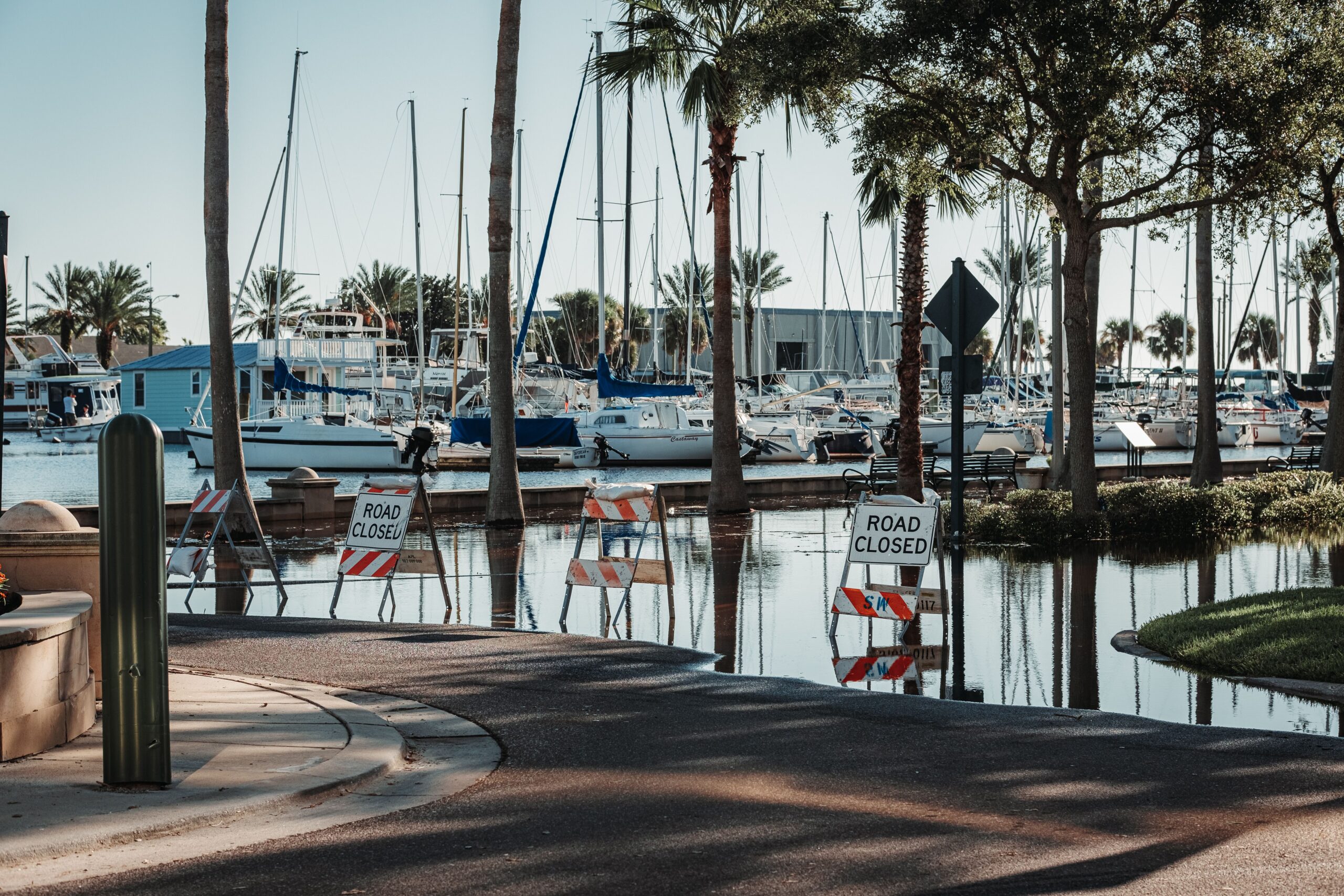
It is important to distinguish between the specific local effects of this king tide event and the broader climate context. The source material confirms the severity of the water levels and the resulting evacuations but does not provide specific data on wave height measurements, exact water level figures in meters or feet, or the specific meteorological systems that contributed to the surge beyond the general description of “massive waves.” Therefore, any analysis of the event’s long-term implications must rely on the confirmed record-breaking nature of the November water levels rather than detailed mechanistic breakdowns of the weather system.
As the waters recede, the focus shifts to the aftermath of the event. The primary documented consequence is the physical soaking of parts of San Francisco and the temporary displacement of residents. The absence of mass travel disruptions suggests that major transportation arteries and airports remained operational, a crucial factor for the holiday period. Moving forward, the data from this event will be integrated into the historical record of coastal water levels, providing a benchmark for future monitoring. The next verified development will likely involve the assessment of infrastructure damage and the continuation of routine tidal monitoring, with the understanding that such high-water events in November are becoming a noteworthy record in the historical data.