
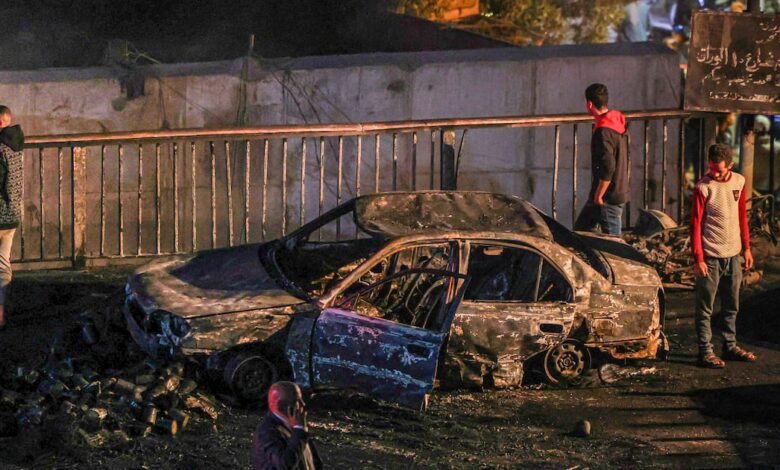
The disaster occurred above a tunnel in Al Warraq, a working-class district located on the western bank of the Nile, north of the old city center. State-owned media reported that the tanker, belonging to a private contractor, was traveling along the highway when a high-voltage cable fell in front of it. This event prompted the driver to lose control, causing the vehicle to cross the central reservation, overturn, and spill petrol onto nearby cars, which subsequently caught fire. The regional public prosecutor has launched an investigation, ordering DNA samples to be taken from the bodies of the deceased, many of whom were so badly burnt that identification required forensic analysis alongside ID documents.
Witnesses described a scene of rapid devastation. Ali Youssef, a resident near the site, told Reuters that people trapped inside vehicles had little time to escape as the flames spread. “The cars were charred, with people inside them. They did not have time to get out,” Youssef said. In the aftermath, images showed a large crowd gathered on the highway as emergency services blocked entry routes. A bulldozer was deployed to clear the burnt-out wrecks of cars, minibuses, and motorcycles, scattering debris across the road before the highway was eventually reopened by state broadcaster NMA.
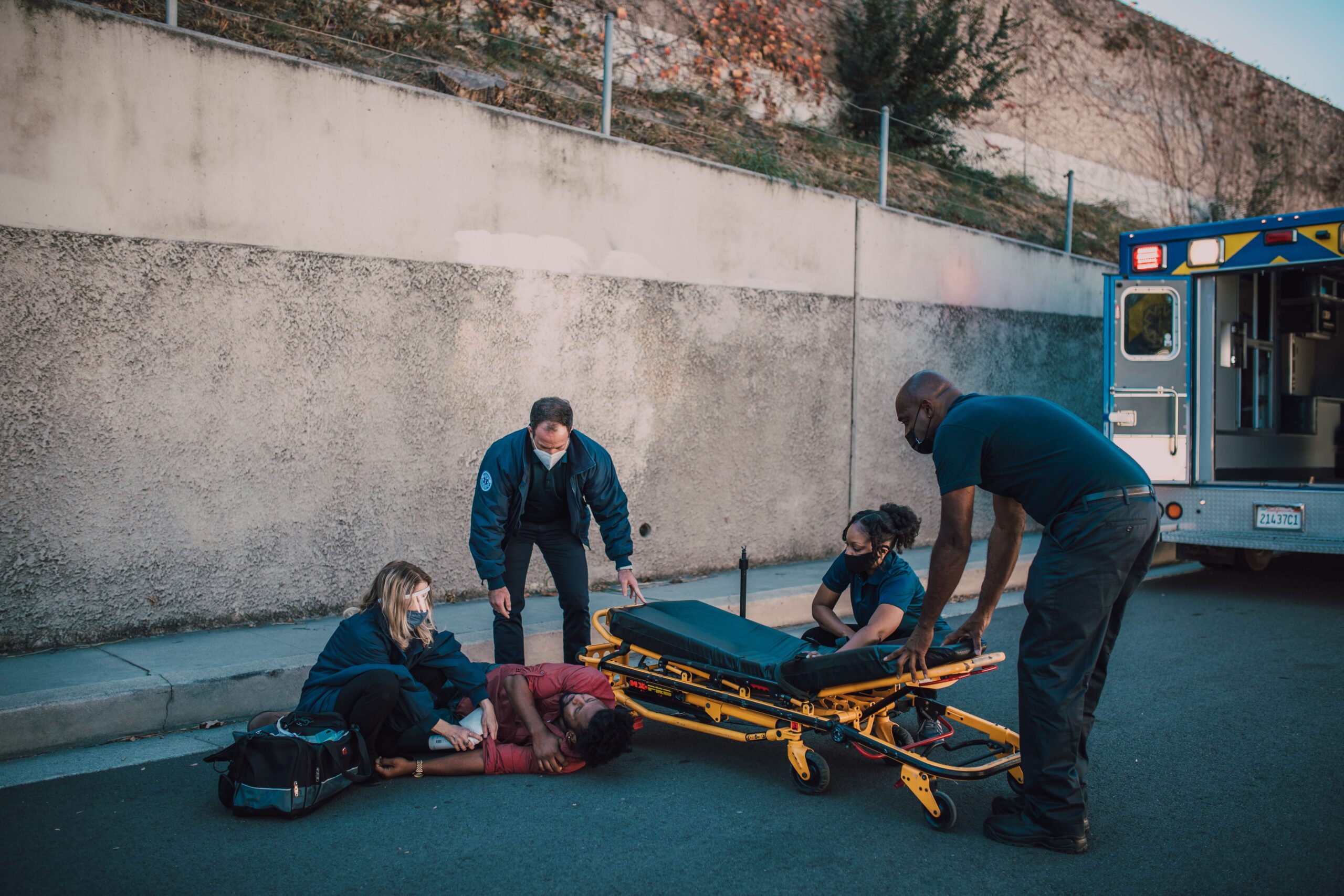
The incident is part of a broader pattern of road accidents in Egypt, which officials attribute to speeding, weak enforcement of traffic regulations, and poor road conditions. While Egypt has significantly expanded its road network in recent years through a multibillion-dollar infrastructure program aimed at easing congestion and accommodating rapid population growth, concerns over safety persist. According to state statistics, the number of people killed in road accidents rose by 10.8 percent in 2025, reaching 5,829 deaths, up from 5,260 the previous year. This increase reflects a trend where infrastructure expansion has not yet matched the necessary safety improvements or regulatory enforcement.
The tragedy in Al Warraq follows a series of other transport-related disasters in the region. Less than three weeks prior, a train collision south of Cairo killed seven people and injured between 114 and 125 individuals, depending on the report. These recurring incidents have fueled public outcry over the reliability of Egypt’s transport infrastructure. President Abdel Fattah El Sisi offered condolences and ordered all necessary support for the injured and the families of victims. The health minister was seen overseeing the treatment of the injured at one of Cairo’s hospitals, emphasizing the state’s immediate response to the crisis.
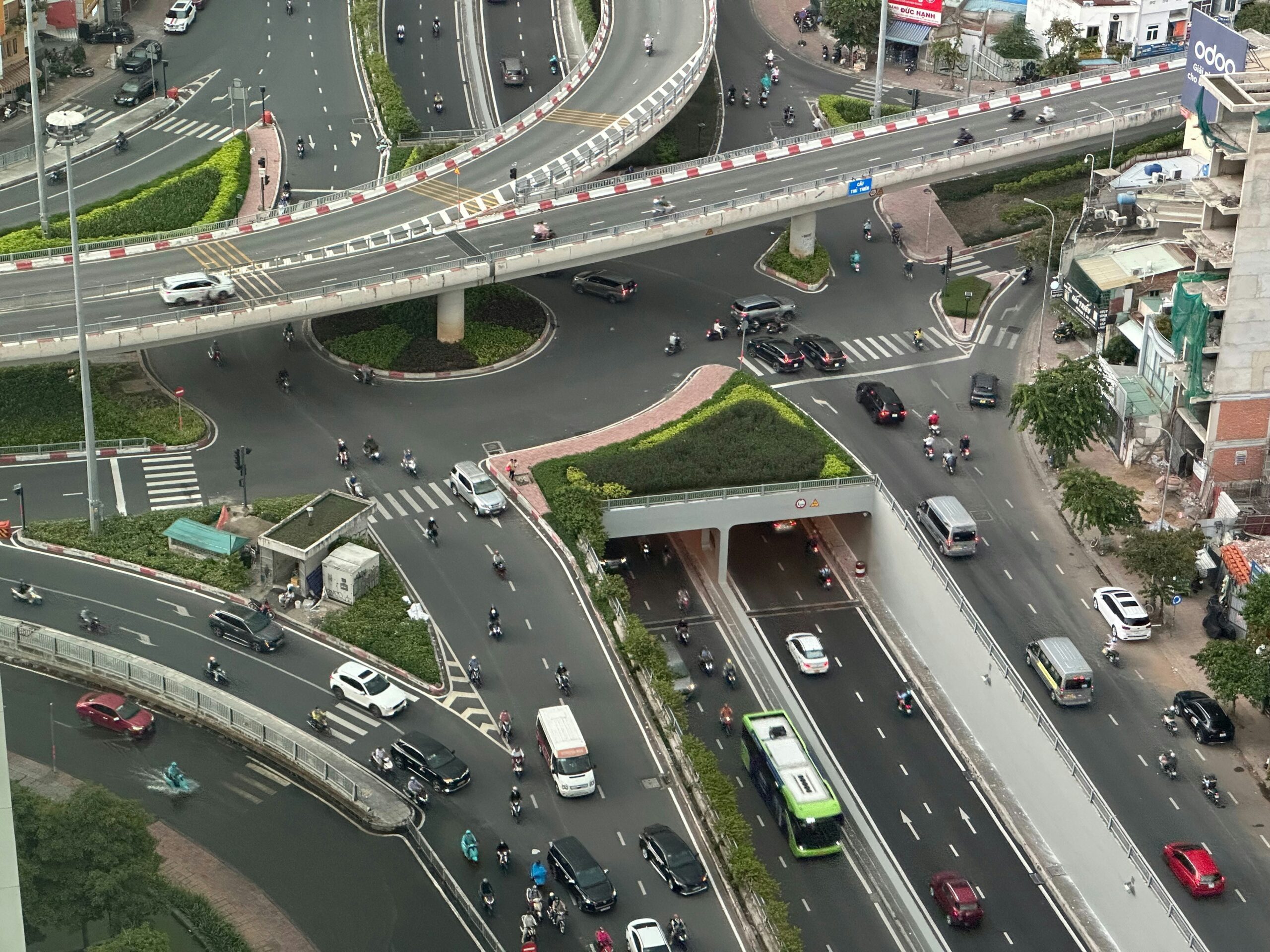
Despite the immediate emergency response, the underlying factors contributing to such high-fatality accidents remain unresolved. The combination of high-speed traffic, inadequate enforcement, and aging or poorly maintained infrastructure continues to pose significant risks to commuters in the Greater Cairo region. As investigations into the high-voltage cable failure and the tanker’s mechanical status continue, the focus remains on how to mitigate similar risks across the expanded road network. The cleared highway in Al Warraq has reopened, but the scars of the incident remain visible in the form of the charred debris and the profound loss of life, serving as a stark reminder of the ongoing challenges in ensuring road safety in one of the world’s most populous capital cities.





One Comment