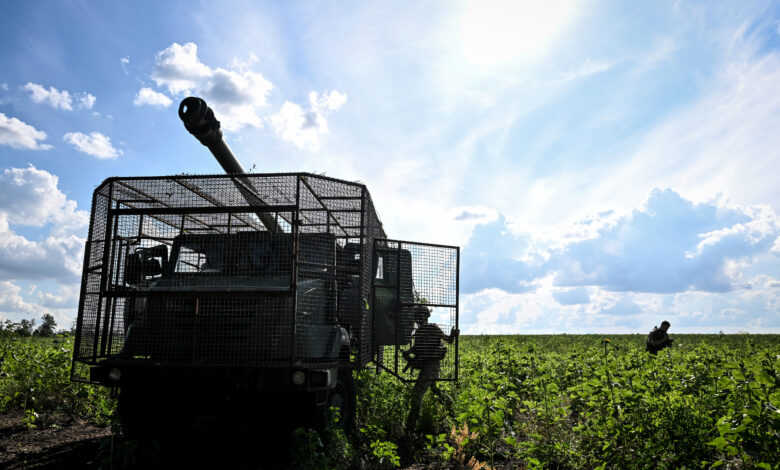
The mission is described by French officials as “light and modular,” consisting of small teams deployed on short-term rotations rather than a standing garrison. According to RFI and AFP sources, the personnel are strictly excluded from combat roles. Their primary responsibilities involve training Ukrainian defense forces and maintaining sophisticated Western-supplied equipment, including Caesar howitzers, Mirage 2000 fighter jets, and precision-guided munitions. The French government stated that civilian technicians were not deployed due to the active war environment, necessitating the use of military personnel from various support regiments. RFI noted that the specific regiments involved have not been named to ensure the safety of the soldiers and those around them.
Logistically, the operation is administered through the “Gerfaut” mission, a French military unit stationed in Poland since February 2023 as part of the European Union Military Assistance Mission in support of Ukraine (EUMAM Ukraine). The Gerfaut detachment serves as the operational hub and gateway for deployments into Ukraine. While the EUMAM mandate has been extended until November 15, 2028, the specific activities under Operation Volia have been conducted under a veil of secrecy. Approximately 25,000 Ukrainian troops have received training from French instructors since 2023, primarily in France and Poland, but Operation Volia represents the first confirmed sustained presence of French military staff within Ukrainian territory for direct maintenance and advanced training support.
The disclosure has triggered a swift and escalatory response from Moscow. Russian Foreign Minister Sergei Lavrov, speaking in Manila on November 17, characterized the deployment as “direct participation in the war,” arguing that the presence of Western soldiers and the provision of satellite data and target selection assistance had crossed a critical threshold. Maria Zakharova, spokeswoman for the Russian Foreign Ministry, stated that Moscow would treat any foreign troops deployed in Ukraine as “legitimate military targets,” with decisions on operational responses resting with the Defense Ministry and the General Staff. This rhetoric signals a potential shift in Russia’s targeting doctrine, moving from warnings about political consequences to explicit threats against non-combatant military personnel.
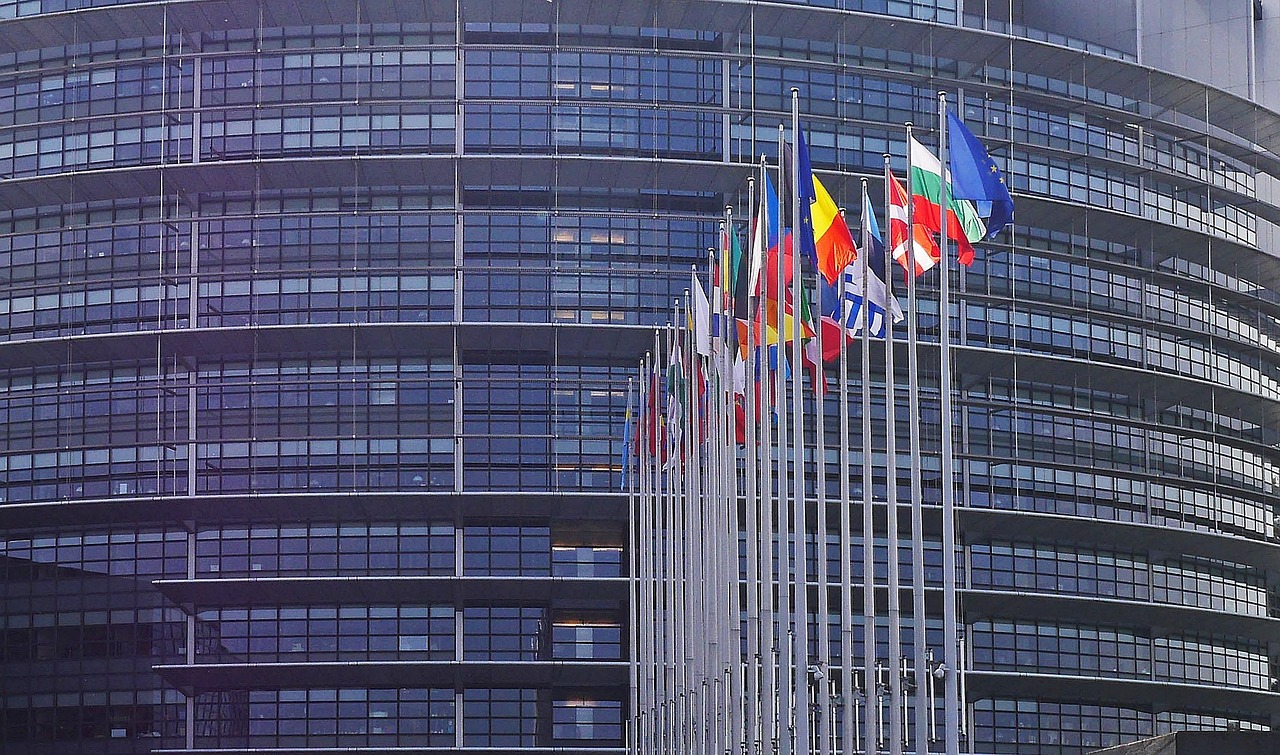
Domestically, the revelation has sparked a constitutional crisis regarding executive overreach. Under Article 35 of the French Constitution, the government is required to inform Parliament of any decision to deploy armed forces abroad within three days of the deployment beginning. If the intervention lasts more than four months, parliamentary authorization is required for extension. Neither the National Assembly nor the Senate had been informed of Operation Volia. Deputy Defense Minister Rufo argued that because the mission excludes combat operations, it does not constitute a “military intervention” under the constitution, thus bypassing the need for prior notification. However, Cédric Perrin, chairman of the Senate’s defense and armed forces committee, criticized the government’s failure to inform relevant committees, describing the opacity as a disregard for parliamentary authority. Opposition lawmakers have demanded answers, with Rufo scheduled to appear before the Senate in a closed-door hearing on November 25 to brief senators on the mission.

The political fallout highlights a tension between operational necessity and democratic oversight. French authorities maintain that the limited scale and non-combat nature of Volia justify the secrecy, prioritizing the safety of troops and the continuity of the mission. However, the exposure of the operation complicates the diplomatic landscape, as Russia can now cite the presence of French personnel as justification for broader retaliatory measures. The distinction between “training and maintenance” and “combat support” has become a focal point of international debate, with Moscow framing logistical and technical support as de facto combat involvement.
As of now, the French General Staff has not provided further details on the exact number of troops involved or the specific locations of their deployment within Ukraine. The next critical milestone will be the outcome of the November 25 Senate hearing, where the government must clarify the legal basis for the deployment and address concerns about parliamentary transparency. Meanwhile, the strategic implications of Russia’s declaration of foreign troops as legitimate targets remain unresolved, raising questions about the safety of Western military advisors and the potential for accidental or deliberate escalation involving NATO-aligned forces.