
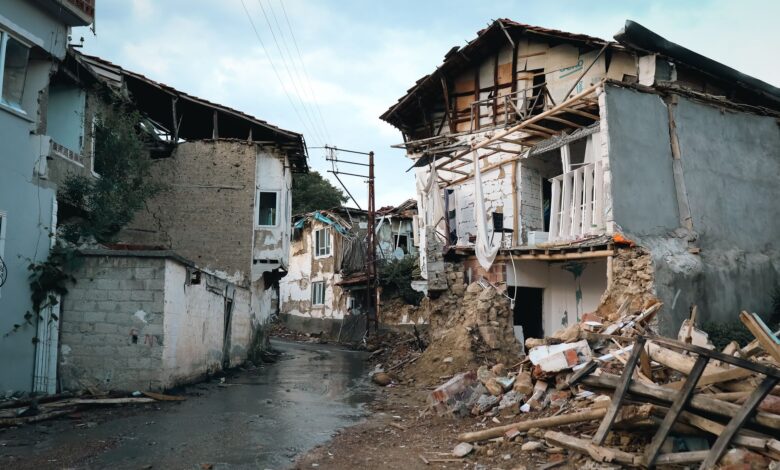
Oleksandr Kiper, the head of the Odesa Regional Military Administration (OMDA), confirmed the incident, stating that the enemy targeted both the city center and its periphery. “The enemy attacked Odesa and the suburbs,” Kiper said. “Civilian infrastructure facilities and the territory of a private residential area were damaged.”
The attack resulted in one confirmed civilian death. Kiper announced that a 70-year-old man killed in the strike. “Unfortunately, as a result of the Russian strike, a 70-year-old man died,” Kiper stated. “Doctors fought for his life, but the injuries sustained were incompatible with life. I express my sincere condolences to the relatives and loved ones of the deceased.”
While specific details regarding the type of munitions used or the precise nature of the damaged infrastructure were not elaborated upon in the immediate official statement, the designation of “civilian infrastructure” suggests impact on non-military assets essential to the functioning of the region. The damage to a private residential area indicates that the strike affected domestic zones, raising concerns regarding the protection of civilians under international humanitarian law. No further casualty figures or details on the extent of structural damage to the infrastructure were provided in the available sources.

In a related development concerning maritime security in the Black Sea, Ukrainian Prime Minister Serhiy Horytsky reported that Russian forces attacked two foreign civilian vessels in the waters near Odesa. According to Horytsky, the vessels were transporting more than 100,000 tons of grain. The attack on these ships underscores the ongoing risks to commercial shipping and the global agricultural supply chain in the region.
The targeting of grain carriers is a significant operational development, given that Odesa is a primary hub for Ukraine’s agricultural exports. The disruption of these shipments has direct economic implications for global food security. The specific identity of the foreign vessels, the flag states involved, and the immediate status of the crews were not detailed in the provided reports. However, the scale of the cargo—exceeding 100,000 tons—implies a substantial logistical loss or delay if the vessels were severely damaged or sunk.
These incidents highlight the continued pressure on Ukrainian territory and its maritime approaches. The simultaneous land-based strikes on Odesa and the maritime attacks on commercial shipping suggest a coordinated effort to degrade both the logistical capabilities of the port region and the safety of international trade routes. The tactical impact is immediate, affecting civilian safety and economic assets, while the strategic consequence involves the sustained vulnerability of Ukraine’s export corridors.
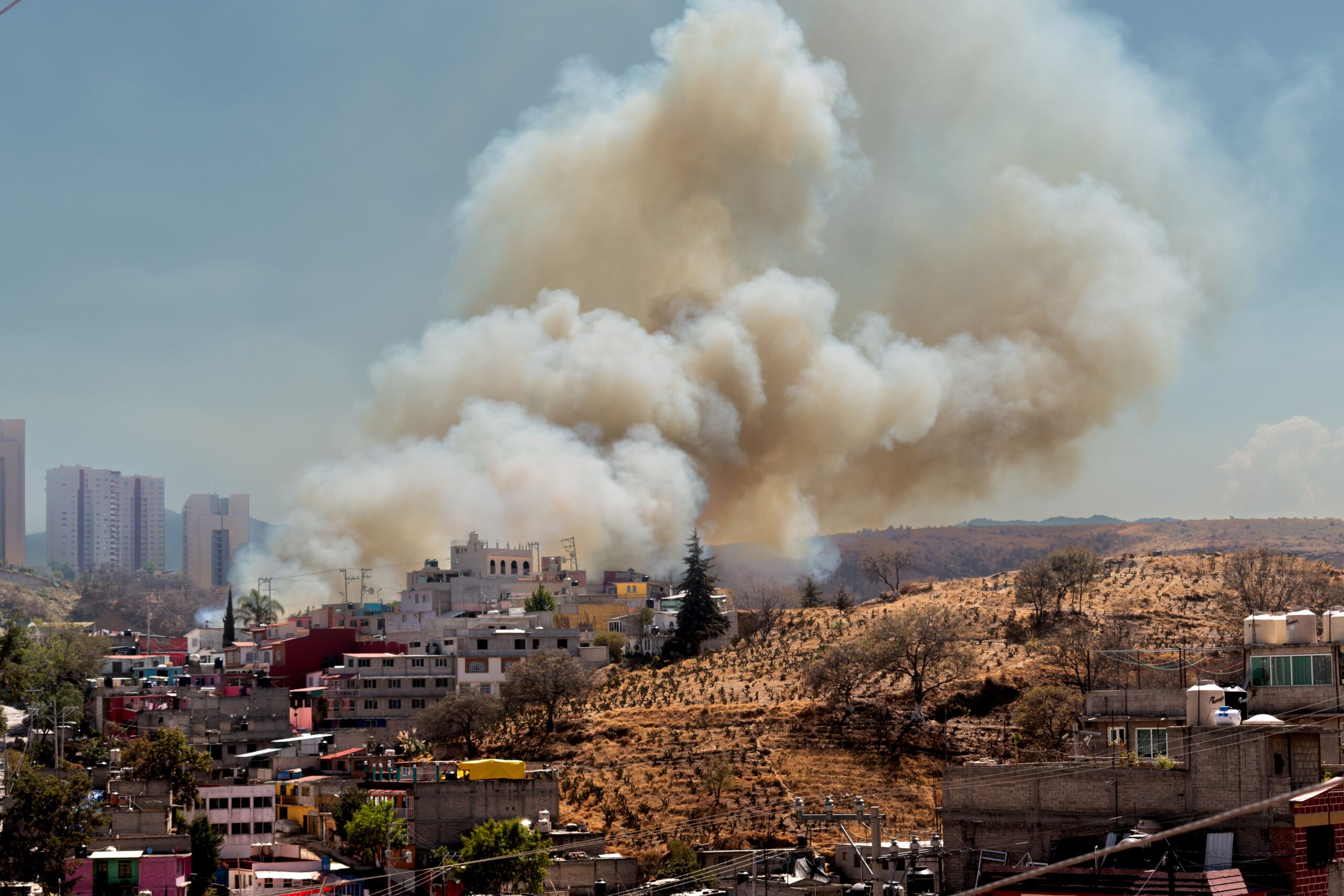
There are no independent verifications of the extent of the infrastructure damage or the status of the grain ships beyond the official Ukrainian claims. The Russian Ministry of Defense has not provided a corresponding statement detailing the objectives or outcomes of these specific strikes in the supplied material. The situation remains fluid, with the primary focus on the humanitarian impact on Odesa’s civilian population and the potential long-term effects on grain supply chains.
Authorities in Odesa are likely to conduct further assessments of the damage to civilian infrastructure and the private residential areas affected by the strike. International partners may also seek to verify the circumstances surrounding the attack on the grain carriers, given the broader geopolitical and economic significance of the Black Sea grain trade. The immediate priority remains the rescue and recovery operations in the affected areas and the securing of the maritime zone against further threats to civilian shipping.