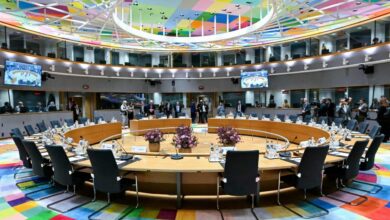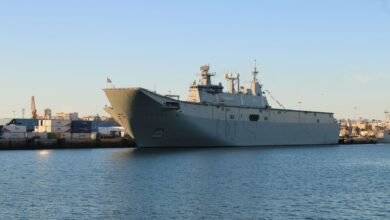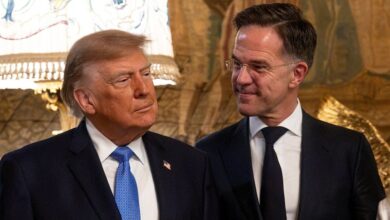
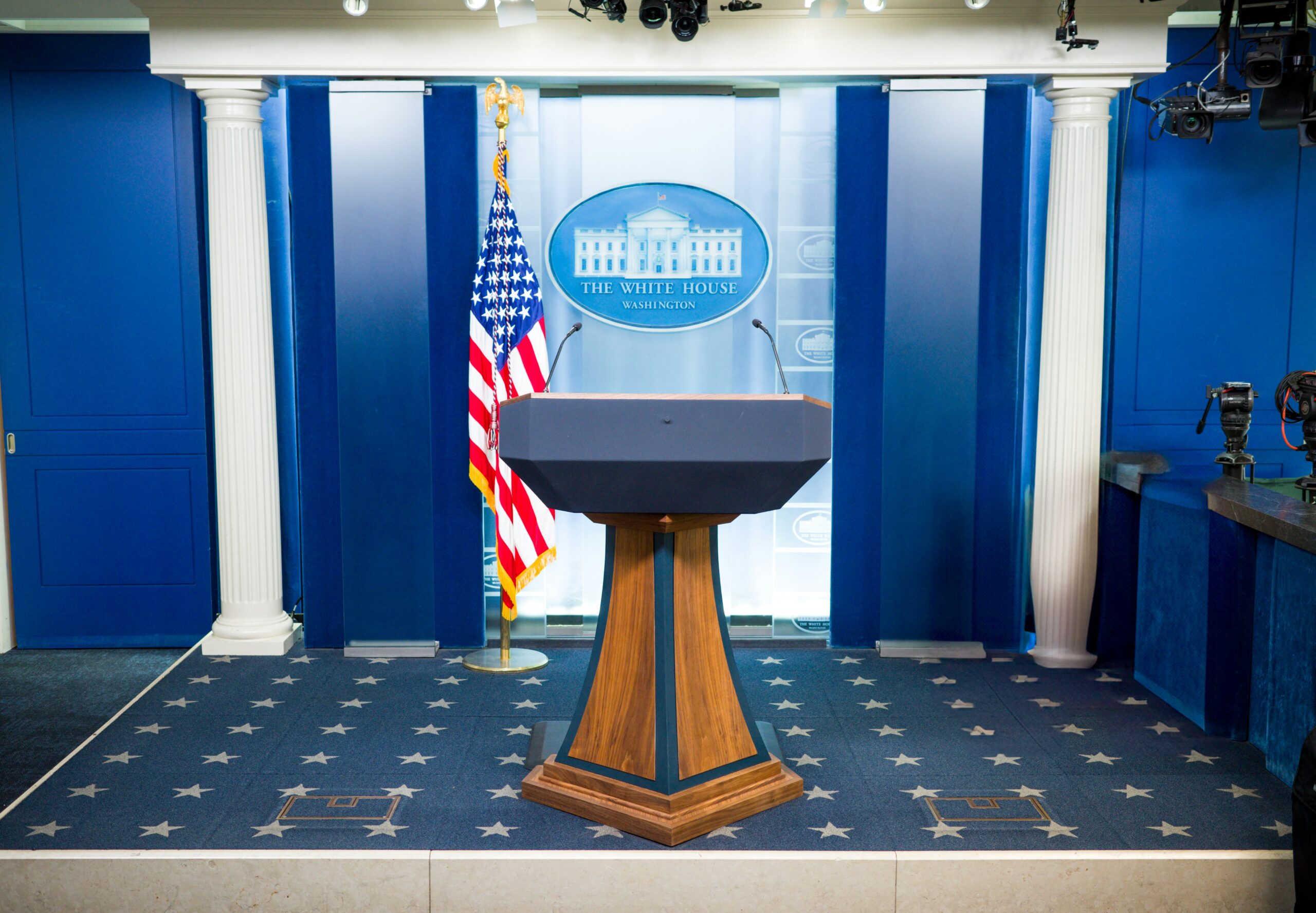
The sanctions follow a trilateral meeting in Washington, D.C., on March 18, where senior representatives from the DRC and Rwanda met with U.S. officials. Although the three nations released a joint statement agreeing to a “series of coordinated steps to de-escalate tensions and advance progress on the ground,” the agreement was overshadowed by recent military escalations. The U.S. had previously hosted the first meetings of the Washington process since late 2025, aiming to revive a peace framework brokered in June 2025.
The core of the diplomatic impasse lies in the security aspects of the peace agreement, which centers on a dual military plan: for the DRC to degrade the Hutu extremist Forces démocratiques de libération du Rwanda (FDLR) through military operations, and for Rwanda to fully withdraw its troops and military equipment from the eastern DRC. Despite eight technical meetings held between July and November 2025, implementation has remained piecemeal. Critical disagreements persisted regarding the sequencing of anti-FDLR operations and Rwanda’s withdrawal, complicated by the FDLR’s presence in M23-controlled areas and allegations that the Congolese army continues to collaborate with the FDLR. Defining valid FDLR targets also proved a contentious technical hurdle.
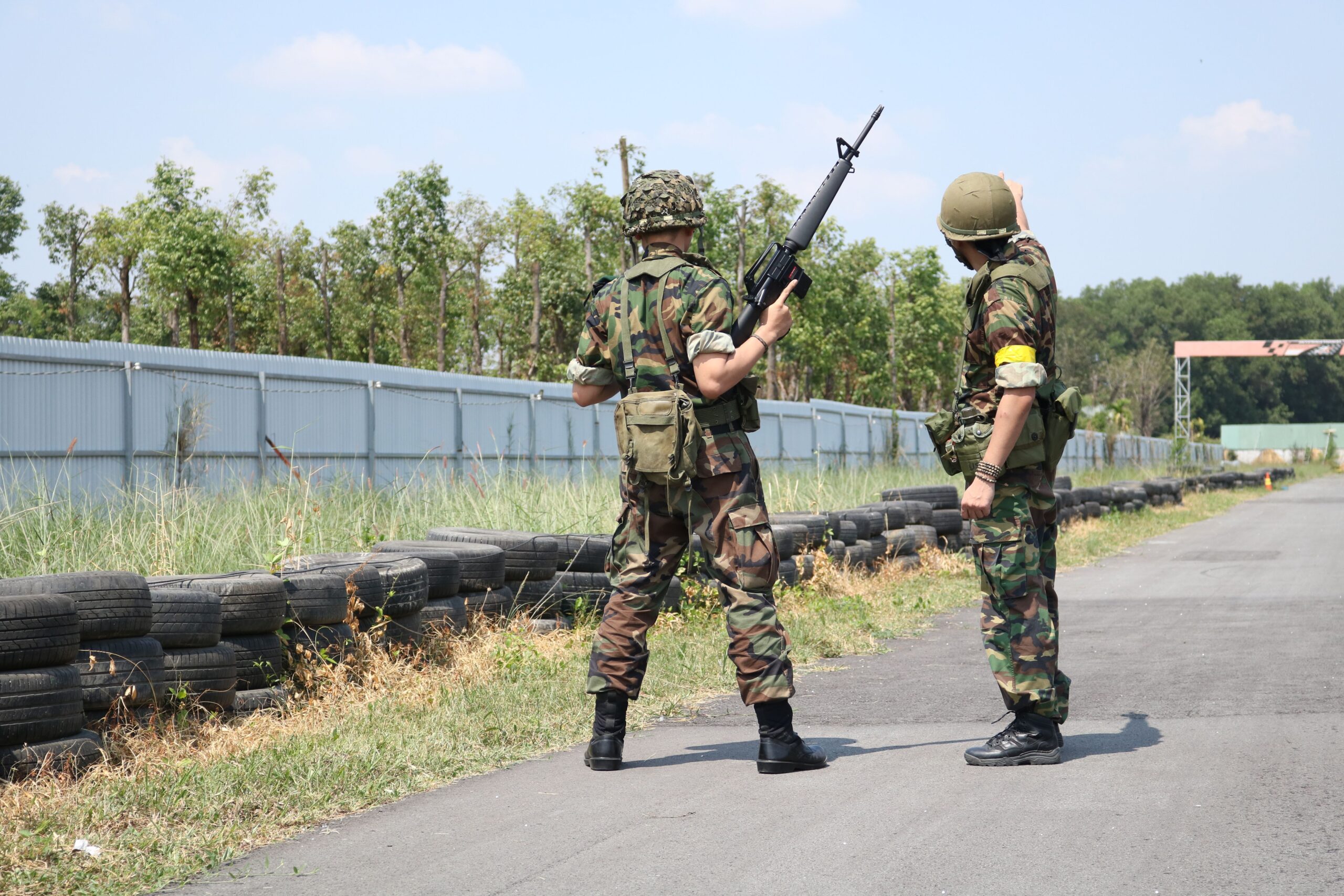
Mutual distrust and political attacks in international forums further eroded the fragile trust required for implementation. This tension erupted into open conflict in early December 2025, when M23 and the RDF launched a major offensive against Uvira town in South Kivu province. The offensive began around December 1, just four days before DRC President Félix Tshisekedi and Rwandan President Paul Kagame signed the accords with U.S. President Donald Trump in a formal ceremony in Washington. In a swift campaign, the RDF reportedly deployed thousands of troops, including special forces, and advanced military equipment, allowing M23 allies to advance approximately 50 miles south to capture Uvira around December 10.
Uvira is not merely a strategic military point; it is a major economic and commercial hub for the area, the interior of the DRC, and neighboring Rwanda, Burundi, Tanzania, and Zambia. It features a port, access to several key roads, and a customs post with Burundi. By launching this offensive, Rwanda violated its commitment under the peace accords to respect the DRC’s territorial integrity and to not “engage in, support, or condone any military incursions or other acts” within the country. In response to the Uvira offensive and continued support for M23, senior U.S. officials, including Secretary of State Marco Rubio, openly criticized Rwanda and warned of consequences for high-ranking officials. Following the March 2 sanctions on the RDF, the U.S. State Department announced on March 6 that it would impose visa restrictions on specific individuals, further tightening the diplomatic noose around Kigali.
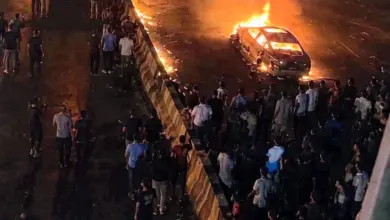
The geopolitical backdrop is further complicated by deep-seated ethnic violence within the DRC. While the state-level conflict between Kinshasa and Kigali dominates the headlines, local communities face escalating ethnic hatred. Human Rights Watch has documented instances of hostility, threats, and attacks against people of Tutsi background or those perceived as Rwandan. A stark example occurred on November 9, 2023, in Goma, where a mob lynched Lt. Patrick Gisore Kabongo, a Munyamulenge Congolese Tutsi from South Kivu. Kabongo was accused of being an M23 fighter solely because of his physical traits, despite being a recognized war-wounded soldier since 2012 who was officially barred from combat. Videos of the incident showed the mob chanting “We are going to burn him!” while another government soldier unsuccessfully tried to intervene. Although the DRC government condemned the act and arrested five individuals, the investigation stalled, with no one charged or prosecuted three weeks later. This local volatility underscores the broader instability that the Washington process seeks to address, linking the macro-level diplomatic failures to the micro-level humanitarian crisis.
As the U.S. enforces its sanctions, the path forward remains unclear. The joint statement from March 18 offers a framework for de-escalation, but the recent offensive by M23 and the RDF has derailed the implementation of key aspects of the peace framework. The next phase of the Washington process will likely focus on verifying the withdrawal of Rwandan forces and the conduct of DRC military operations against the FDLR. Until these technical and political hurdles are resolved, the region remains trapped in a cycle of mutual accusation and localized violence, with the U.S. now leveraging its economic and diplomatic weight to enforce compliance.