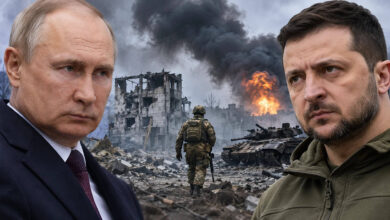

UK Ambassador to the OSCE, Holland, delivered the statement, which asserts that Russia freely agreed to the pillars of Europe’s post-war security architecture before subsequently violating them. The UK position explicitly rejects Russia’s use of historical arguments to justify its ongoing war against Ukraine. The statement characterizes the conflict not as a response to historical grievances, but as an act of aggression that undermines the foundational norms established after the Second World War.
The diplomatic move highlights a deepening divergence between Russia and Western nations regarding the interpretation of international security commitments. By framing the conflict as a violation of an agreed-upon system rather than a dispute over borders or security concerns, the UK seeks to isolate Russia diplomatically. The statement serves as a rebuttal to Russian narratives that suggest the current war is a necessary correction to historical injustices or a response to NATO expansion, arguing instead that Russia is the party breaking the rules it helped write.
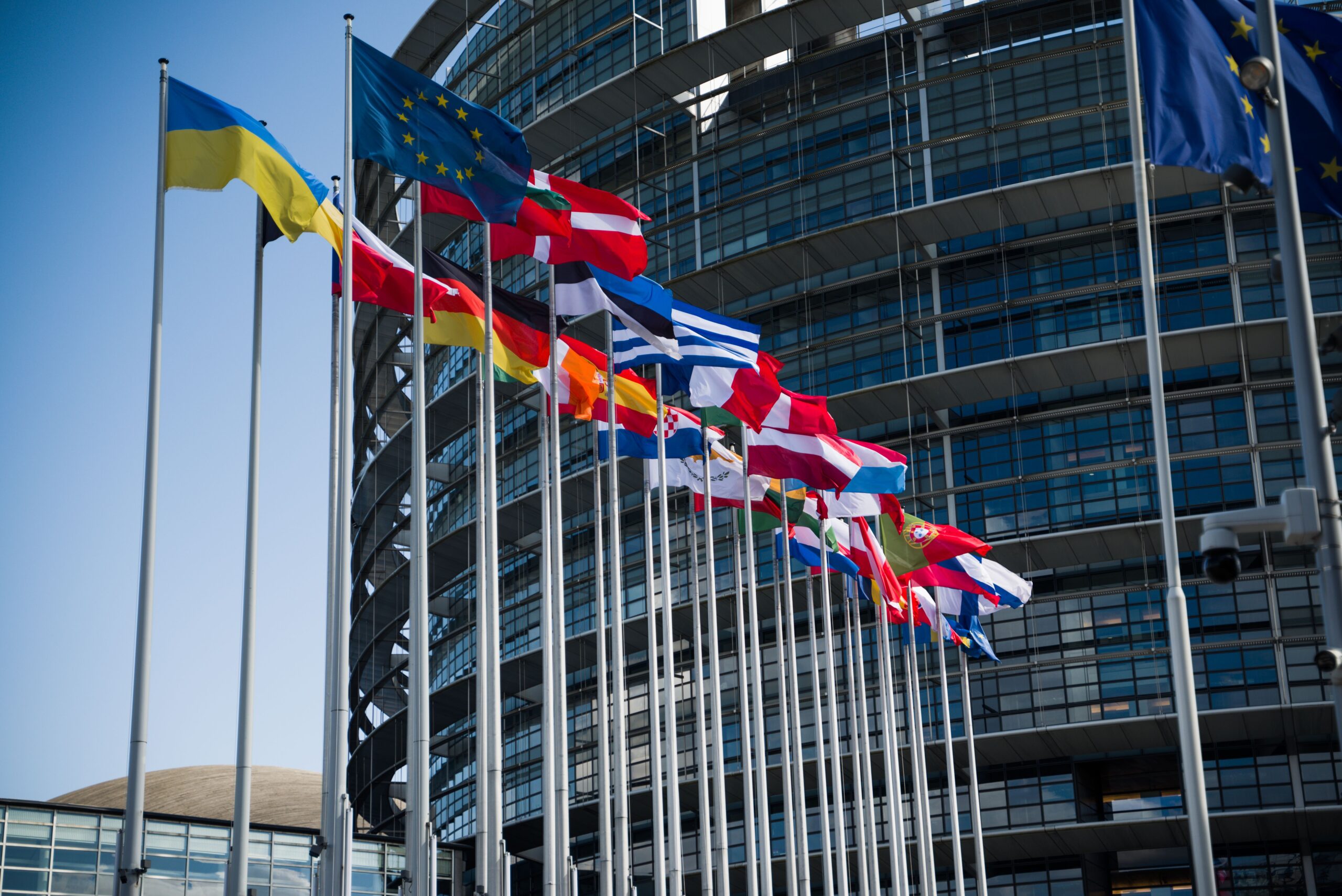
This development adds to a series of diplomatic confrontations at the OSCE, where disagreements over the definition of sovereignty and territorial integrity have become increasingly pronounced. The UK’s intervention underscores the continued relevance of multilateral forums in documenting and challenging state actions, even as their capacity to enforce compliance remains limited. The statement reinforces the Western stance that the post-war order, while imperfect, remains the baseline for international relations in Europe.
The immediate consequence of this statement is the further entrenchment of diplomatic positions between Russia and the UK within the OSCE framework. The next expected development is a potential official response from the Russian delegation at the OSCE, which may reiterate its own historical and security justifications for its actions in Ukraine.