Operational Failure and Immediate Response
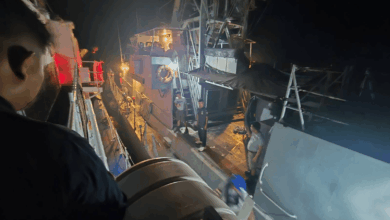
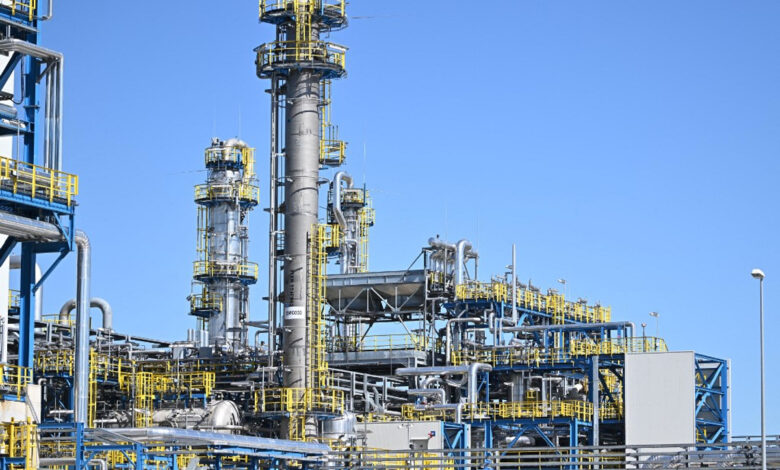
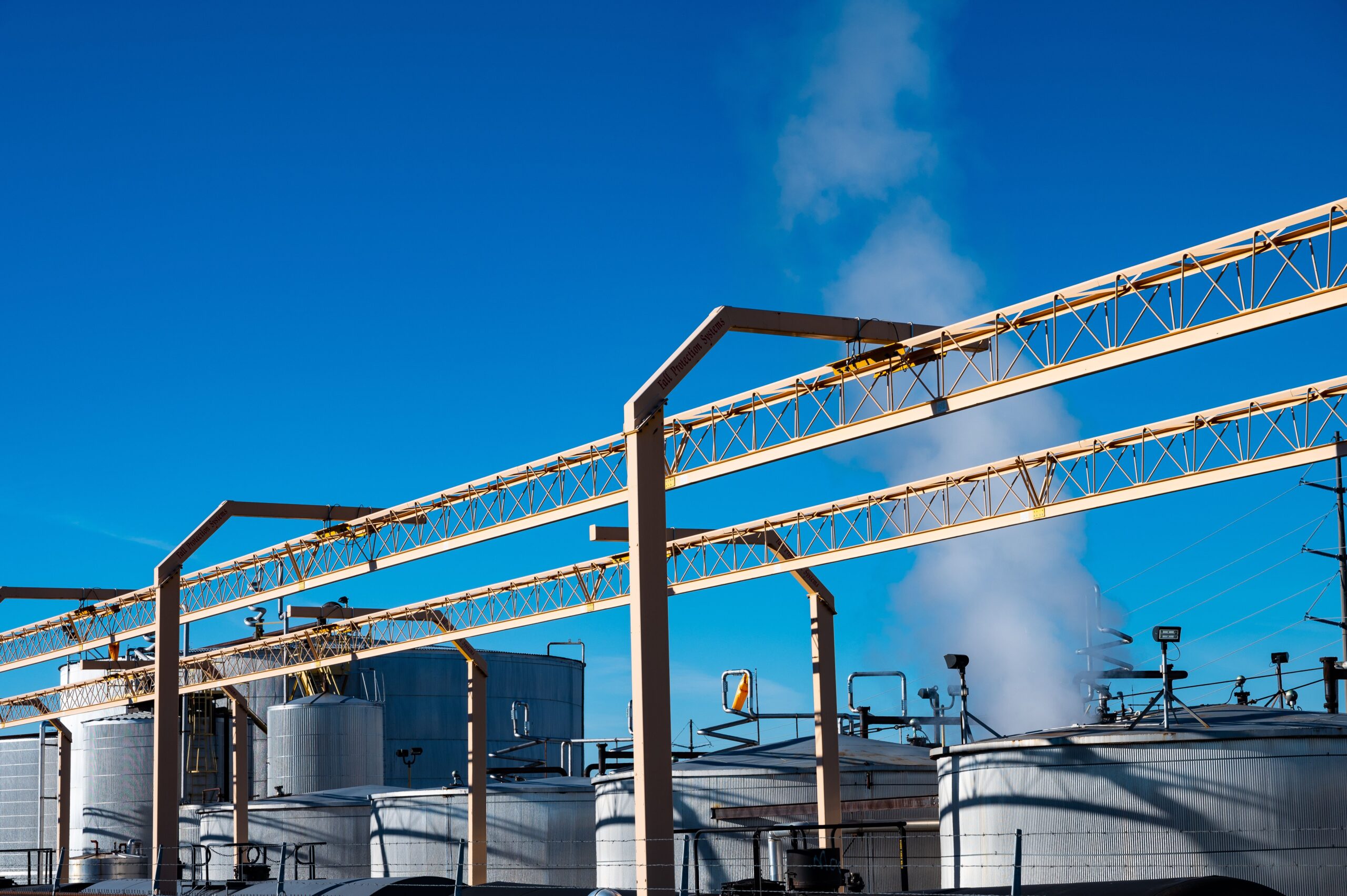
Preliminary information from Hungarian Energy Minister István Kapitány indicates that a compressor within the Olefin-1 plant exploded, initiating the catastrophic event. The Olefin-1 unit is a critical component of the petrochemical production process, and its failure during a restart highlights the technical complexities and inherent risks associated with bringing large-scale industrial infrastructure back online after extended periods of inactivity. The immediate consequence was a fire that required rapid intervention from local firefighters and specialized rescue teams.
Emergency response operations were comprehensive, involving the deployment of a mobile laboratory to assess environmental and health hazards, as well as a rescue helicopter for medical evacuation. The severity of the injuries sustained by the nine workers necessitated immediate medical attention, underscoring the high-energy nature of the blast. While the fire was contained, local officials confirmed that there was no immediate need for broader civil protection measures, such as mass evacuations, although continuous monitoring of the site remains in effect to ensure no residual hazards pose a threat to the surrounding community.
Political and Corporate Accountability
The incident drew swift attention from both the government and corporate leadership. Hungarian Prime Minister Péter Magyar confirmed the casualty figures in a public statement, while Energy Minister István Kapitány and Zsolt Hernádi, the Chief Executive Officer of MOL Group, traveled to the Tiszaújváros site to oversee the response and coordinate with investigators. The presence of top-level corporate and governmental figures at the scene signals the high priority placed on determining the root cause of the failure and addressing potential regulatory violations.
MOL Group, one of Hungary’s largest energy companies, has faced scrutiny in the wake of this event. The timing of the incident, shortly after a deadly plant explosion and subsequent fines related to safety lapses, raises questions about the adequacy of safety protocols and maintenance standards within the company’s operations. The regulatory environment in Hungary, which has seen increased enforcement actions against industrial safety breaches, now faces a new challenge in assessing whether existing oversight mechanisms are sufficient to prevent such catastrophic failures.
Strategic and Safety Implications
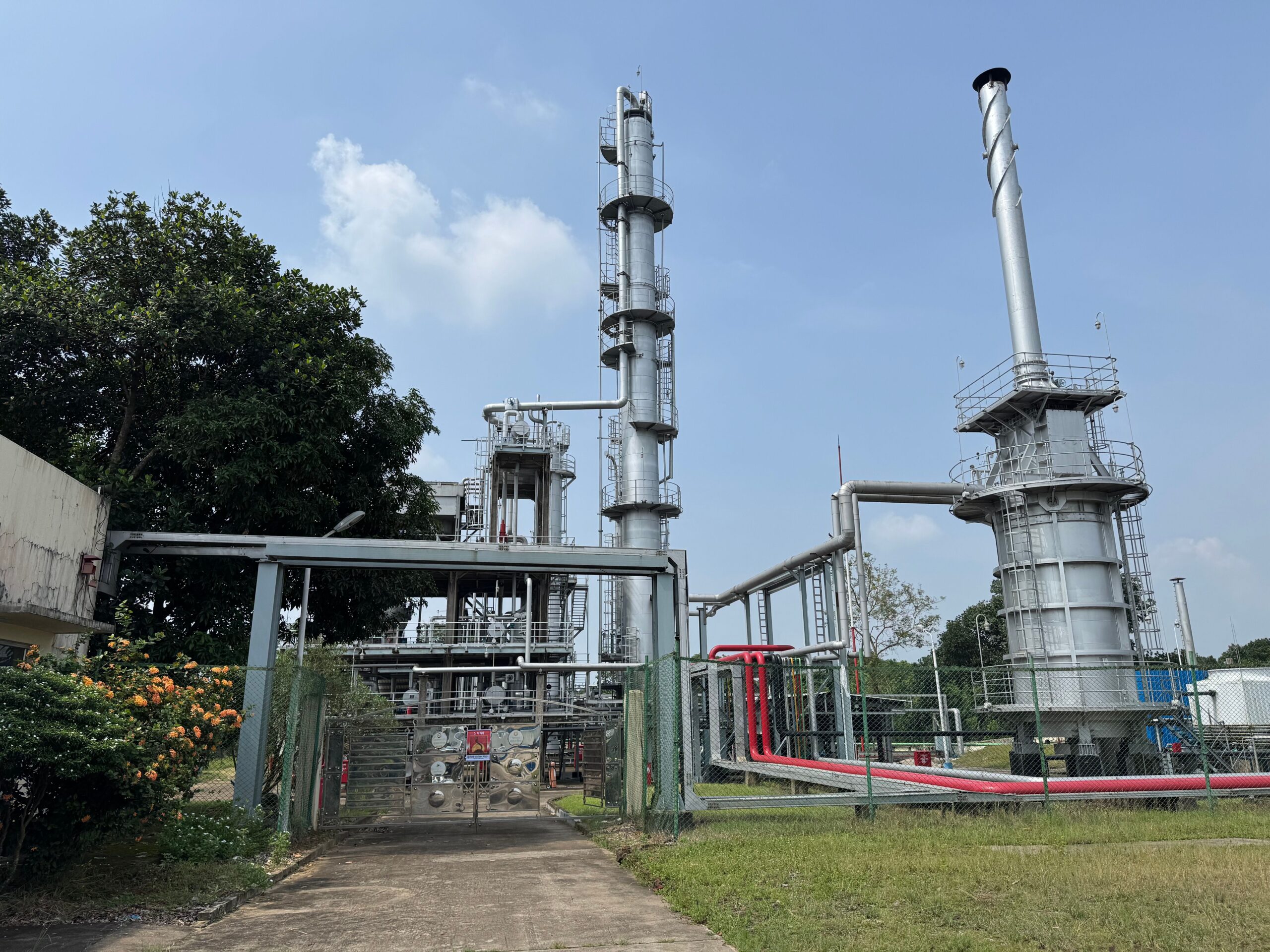
The Tiszaújváros explosion underscores the persistent risks in the petrochemical industry, where high-pressure systems and volatile materials demand rigorous safety management. The fact that the incident occurred during a restart, a phase often associated with heightened risk due to mechanical stress and procedural complexity, suggests that operational procedures may require review. Investigators are currently probing the exact cause, which could involve mechanical failure, human error, or a combination of both.
For Hungary’s energy sector, this incident has broader implications for industrial safety policies and public trust. The previous fire in Százhalombatta in October 2025 had already prompted calls for stricter safety regulations, and this latest tragedy may accelerate those efforts. The government and regulators will likely face pressure to conduct a thorough review of safety standards at all major petrochemical and refinery sites in the country. Additionally, the incident may influence future procurement and investment decisions, as insurers and investors increasingly factor in safety performance when assessing risk.
As the investigation continues, the focus remains on the families of the victims and the recovery of the injured workers. The human cost of such industrial accidents is profound, and the lessons learned from this event will be critical in preventing future tragedies. The next confirmed development will likely be the release of the official investigation report, which will detail the specific causes and recommend corrective actions. Until then, the Tiszaújváros plant remains a focal point for both national and international scrutiny regarding industrial safety in Europe.