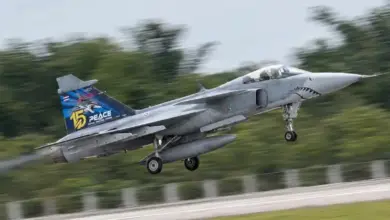
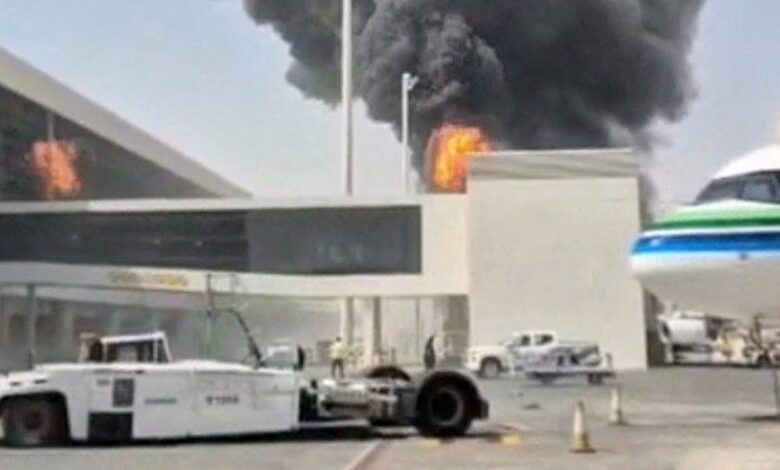
The Yemeni Houthi movement, which receives support from Iran, claimed responsibility for the earlier attacks. U.S. officials have also attributed the strikes to the Iran-backed group. The consecutive targeting of aviation infrastructure has intensified fears of a wider conflict in the Middle East. Regional security experts have warned of “cross-domain escalation,” linking the attacks directly to recent U.S. sanctions imposed on Iran’s commercial aviation sector.
Saudi Arabia’s foreign minister stated that the Houthi threat extends globally. In response to the violence, Saudi authorities vowed to retaliate for the deadly attacks. Meanwhile, U.S. Secretary of State Marco Rubio condemned the Saturday strike, confirming that an American citizen was among those killed. President Donald Trump indicated that the United States may join Saudi Arabia in a military campaign against the Houthis, stating, “We may. We’re gonna look at it. We move very quickly.”
The escalation follows threats made by Iranian officials in late September. Mohsen Rezaei, secretary of Iran’s Supreme National Security Council, warned that Iran would prevent neighboring countries’ airports from operating if they cooperated with Washington’s efforts to restrict Iranian flights. Analysts note that the rapid targeting of Saudi aviation infrastructure aligns with these prior warnings. While Iran has long supported the Houthis, the extent of Tehran’s direct involvement in the specific execution of these airport attacks has not been independently established.
Reports have also emerged regarding Russian support for the Houthis. Lawmakers and experts have raised concerns about potential Russian intelligence sharing, satellite collaboration, and technical assistance provided to the Yemeni group. These allegations suggest a complex web of international support that complicates the regional security landscape. The Houthis have also renewed warnings to airlines, airport workers, and travelers to avoid Saudi airports, further disrupting commercial aviation in the region.

The attacks coincide with a period of territorial gains by the Houthis in Yemen, where they have pushed back against Saudi forces despite a recent diplomatic lull. Security analysts argue that targeting airports allows Iran and its proxies to inflict significant political and economic pressure on Arab states and remaining U.S. forces in the region. As the crisis unfolds, the international community faces increased pressure to address the growing instability and the potential for further cross-border violence.