Logistics for Heavy Armor
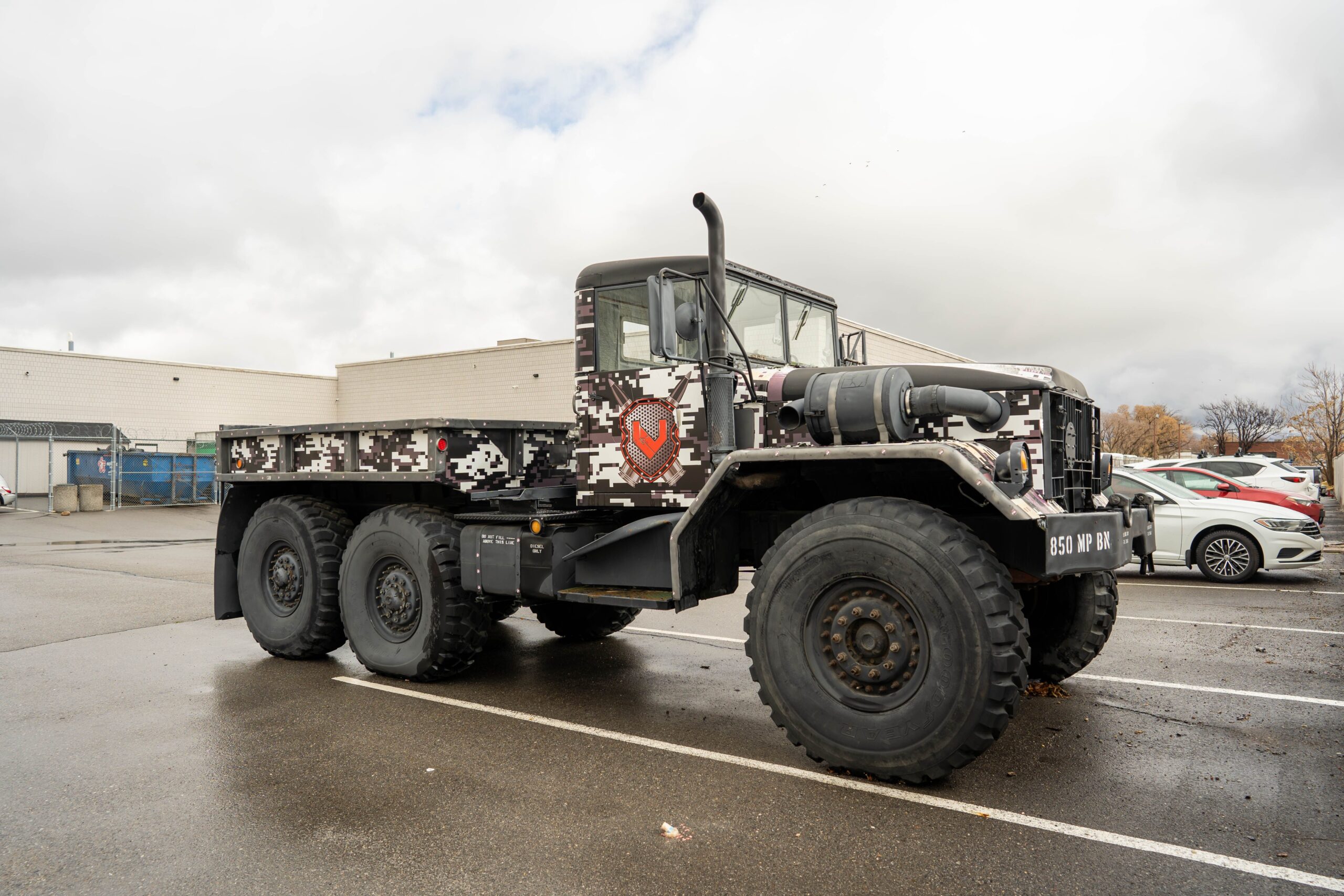
The Oshkosh Defense order, facilitated by Milwaukee-based Optimum Vehicle Logistics, includes spare parts, services, and training. The HET A1 is a specialized tractor unit designed to transport main battle tanks (MBTs), armored recovery vehicles, and self-propelled artillery. It is paired with the MN573 trailer, manufactured in partnership with Dutch company Broshuis B.V., which utilizes independently steered heavy-duty suspension and the PL2 pendular axle system to ensure stability during transit.
According to Oshkosh, the first batch of HET A1 tractors has already been delivered and is operational, allowing the RMAF to integrate the platform into its logistics operations. The new purchase addresses a critical operational constraint: the ability to rapidly move and sustain heavy armored formations across different theaters. This capability is essential given the size of Morocco’s tank fleet, which official figures place at 222 M1A2SA Abrams and 162 M1A2 SEPv3 Abrams tanks. The investment underscores a broader modernization effort to ensure that combat power can be effectively projected and sustained without logistical bottlenecks.
Industrial Diversification and Local Production
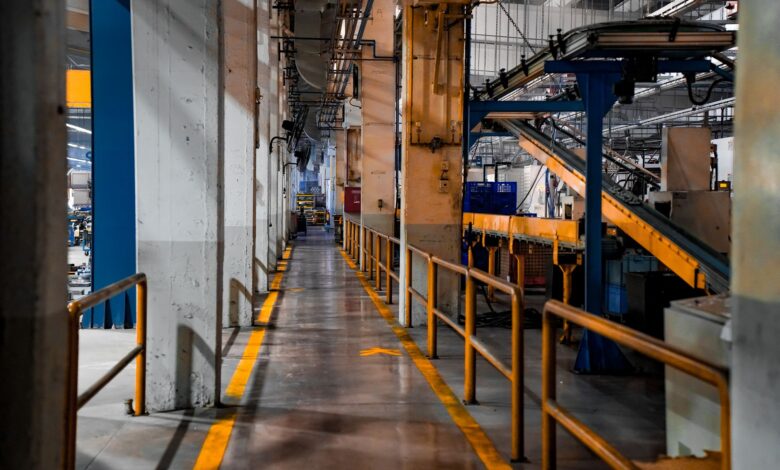
In parallel with the Oshkosh procurement, Morocco is advancing its partnership with India’s Tata Advanced Systems Limited (TASL). The Berrechid facility, known as Tata Advanced Systems Maroc (TASM), was inaugurated in September 2025, roughly three months ahead of its original schedule. Located in a 20,000-square-meter plant in the Casablanca industrial zone, the site is the first defense manufacturing establishment by an Indian company in Africa.
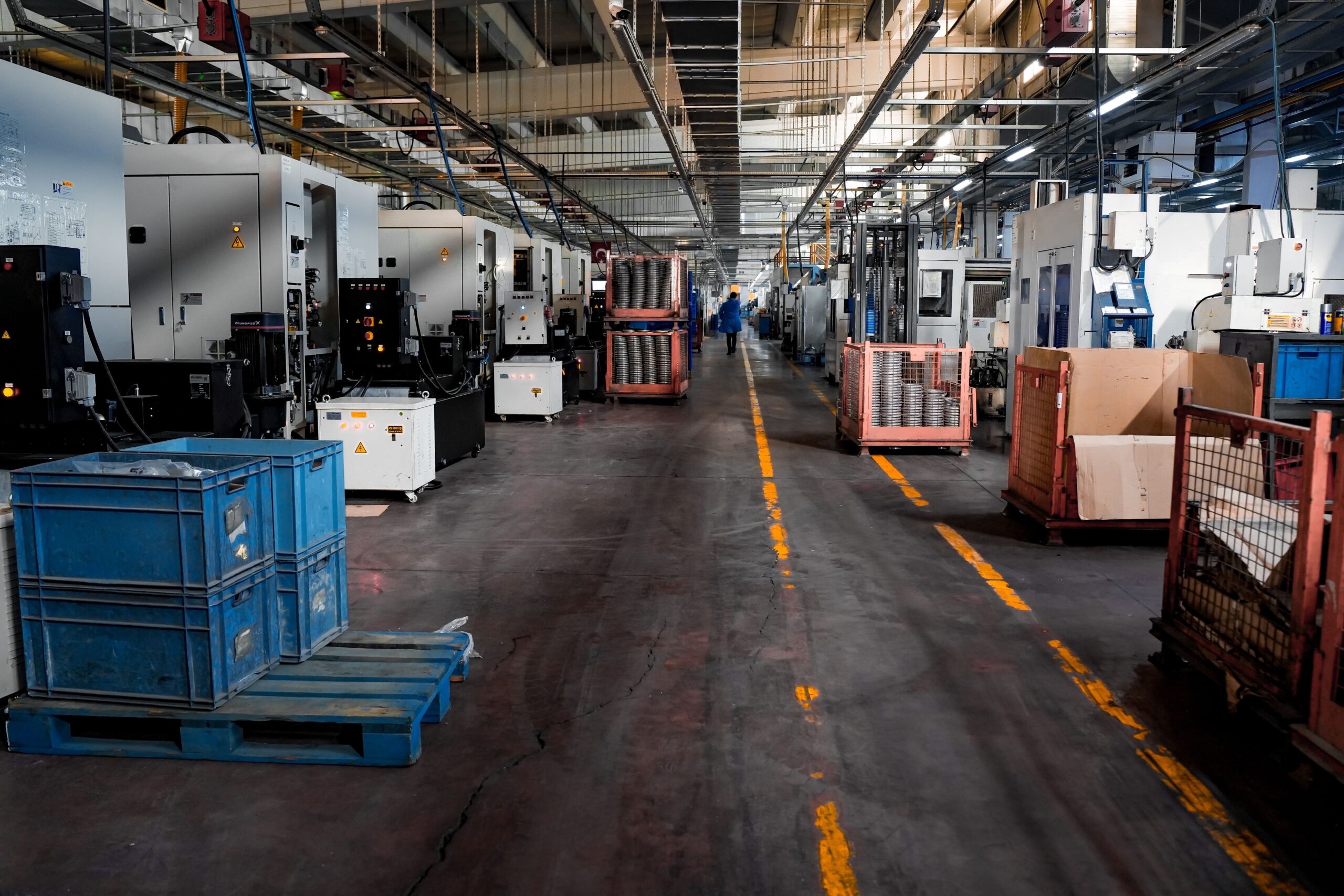
Production milestones confirm the facility is operational. Metlonics Morocco, the local subsidiary, confirmed in March 2026 the completion of the first 20 hulls of the WhAP 8×8. This follows the delivery of the first five finished units to the RMAF on December 24, 2025. The WhAP, also known as the Tata Kestrel, is a modular, amphibious 24-ton platform developed with India’s Defence Research and Development Organisation. It features a 600 hp Cummins ISX engine and an Allison 4500SP automatic transmission, capable of 100 km/h on roads and swimming at 10 km/h. Protection levels are customizable, with base steel armor meeting STANAG 4569 standards for ballistic protection levels 1 to 4 and mine resistance level 3.
The project was established under a strategic partnership agreement signed in September 2024, which included an investment agreement for the supply of 150 vehicles. Morocco’s National Defense Administration (ADM) has outlined a plan to increase the share of locally sourced components from an initial 35% to 50% as the local supply chain matures. The facility currently provides 90 direct jobs and supports 250 indirect positions, aiming to position Morocco as a regional export platform for armored vehicles, particularly for African markets.
Strategic Context and Supplier Diversification
These developments align with a broader strategic objective to reduce dependence on any single defense supplier, particularly the United States, while enhancing national security capabilities. While Morocco has historically relied heavily on American equipment, recent moves indicate a deliberate effort to broaden its procurement base. This is evidenced by reported interest in South Korea’s K2 Black Panther tanks, manufactured by Hyundai Rotem, although no binding decision has been made. The acquisition of Oshkosh transporters and the licensing of Tata vehicles allow Rabat to maintain interoperability with its existing American-made main battle tanks while developing indigenous industrial capacity.
The significance of the Berrechid facility extends beyond domestic needs. By establishing a production hub, Morocco is positioning itself to serve as a regional center for defense manufacturing. India’s ambassador to Morocco, Sanjay Rana, has noted that discussions are ongoing to expand cooperation beyond armored vehicles, potentially including the joint manufacture of aircraft. A visit by Gen. Mohammed Berrid, the inspector general of the Royal Armed Forces and commander of the Southern Zone, to the TASM plant recently underscored the high-level military support for this industrial ecosystem.
As Morocco continues to modernize its land forces, the integration of heavy logistics assets and the ramp-up of local armored vehicle production represent a dual-track approach: immediate operational enhancement through procurement, and long-term strategic autonomy through industrial development. The next phase will likely involve monitoring the local sourcing targets for the WhAP program and the operational integration of the second tranche of Oshkosh HET A1 vehicles into the RMAF’s logistics doctrine.