
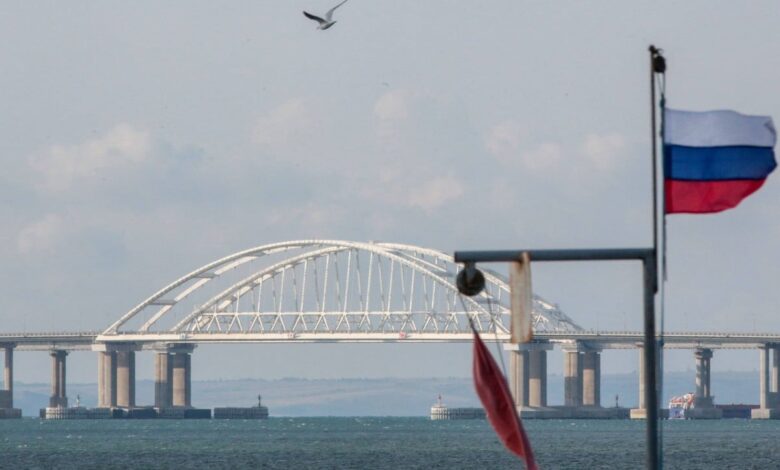
The scale of this offensive represents a significant shift in the operational tempo of the conflict, moving beyond sporadic localized strikes to a sustained, high-volume saturation attack. By deploying over a thousand drones in a single 24-hour period, Ukrainian forces demonstrated a capacity for massed aerial harassment that challenges the effectiveness of Russian air defense systems. The inclusion of Moscow in the targeting set underscores the strategic intent to project power directly onto the Russian heartland, aiming to disrupt domestic stability and signal the reach of Ukrainian long-range capabilities. The strike on the Crimean Bridge, while reportedly inflicting only minor damage, carried profound symbolic weight, targeting the very infrastructure that Russia relies upon to maintain its military and economic grip on the annexed territory.
The technical execution of such a large-scale drone campaign places immense strain on the logistical and defensive infrastructure of the target state. Russia’s defense ministry claimed to have intercepted or destroyed the vast majority of these incoming threats, asserting that this was the largest number of drones neutralized in a single day since the war began. However, the sheer volume of the attack suggests a strategy of overwhelming defense through attrition. Even if interception rates remain high, the continuous pressure forces Russian air defense units to expend expensive missiles and maintain high states of alert, degrading their readiness for other potential threats. The use of drones in such numbers also highlights the evolving nature of modern warfare, where cost-effective unmanned systems are used to challenge high-value, heavily defended infrastructure and command centers.
The geographic and political constraints of this operation are evident in the targeting choices. The Crimean Bridge is a critical logistical artery for Russian forces, facilitating the movement of troops, equipment, and supplies into the peninsula. By targeting this structure, Ukraine aims to disrupt these supply lines and increase the cost of maintaining the occupation. The apparent minor damage inflicted on the bridge, however, indicates that while the strike was successful in reaching its target, it did not achieve a catastrophic structural failure. This outcome reflects the limitations of the specific drone ordnance used or the robustness of the bridge’s construction, highlighting the complex interplay between offensive capability and defensive resilience in modern infrastructure warfare.
The human and political consequences of such actions extend beyond the immediate military sphere. Russian-installed officials in Crimea reacted with anger to the strike, framing the incident as an act of aggression against a sovereign Russian territory. This narrative is central to Moscow’s domestic messaging, aiming to rally public support and justify continued military efforts. For civilians in targeted areas, the constant threat of drone attacks creates a pervasive sense of insecurity, altering daily life and straining local emergency services. The strike on Moscow, in particular, serves as a reminder to the Russian public that the war is not confined to distant borders but poses a direct risk to the capital. The balance between military utility and the potential for civilian harm remains a critical consideration, as drone strikes, even when targeted at military or strategic infrastructure, carry the risk of collateral damage and broader regional instability.
Strategically, this record-breaking drone attack underscores the growing importance of long-range unmanned systems in the conflict. It demonstrates that Ukraine has developed the ability to conduct large-scale, coordinated strikes deep into Russian territory, challenging the notion of a secure rear area. This capability has significant implications for deterrence and alliance dynamics, as it signals to international partners that Ukraine can impose significant costs on Russia while maintaining a degree of operational security. The ability to launch such a large number of drones also suggests a robust industrial and logistical base capable of sustaining high-intensity operations, a factor that influences long-term strategic assessments of the war’s trajectory.
Despite the scale of the attack, several aspects remain uncertain or disputed. The precise extent of the damage to the Crimean Bridge is debated, with Ukrainian claims of significant impact often contrasted with Russian assertions of minor or superficial damage. Independent verification of such damage is difficult due to restricted access to the region. Similarly, the exact number of drones that successfully reached their targets versus those intercepted remains subject to conflicting official narratives. The Russian defense ministry’s claim of intercepting the largest number of drones on record serves to minimize the success of the Ukrainian operation, while Ukrainian authorities likely emphasize the strategic disruption achieved. These discrepancies highlight the challenges of information warfare, where both sides seek to shape perceptions of the conflict’s dynamics.
The next confirmed military development will likely involve a response from Russian air defense units, potentially including increased patrols or adjustments to defensive postures in targeted regions. Ukraine may continue to refine its drone tactics, focusing on different types of targets or employing new drone models to enhance penetration rates. The political fallout from the strike on the Crimean Bridge will also play a role, with potential for further diplomatic tensions or retaliatory measures. As the conflict evolves, the integration of large-scale drone operations into the broader strategic framework will remain a key factor in shaping the military and political landscape of the region. The ability to sustain and adapt these operations will be crucial for Ukraine in maintaining pressure on Russian forces and infrastructure, while Russia will seek to bolster its air defense capabilities to mitigate such threats. The balance of power in this asymmetric dimension of the conflict will continue to be a focal point for military analysts and policymakers alike.


2 Comments