
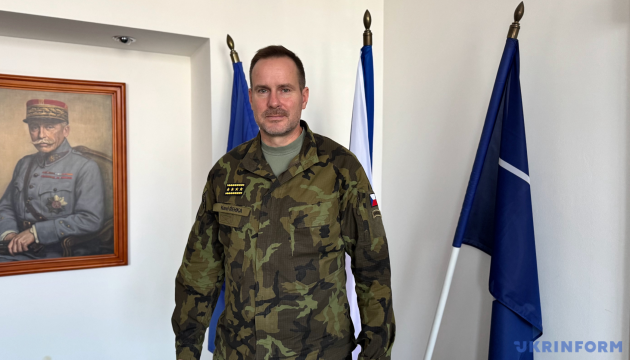
Řehka emphasized that the Czech Republic’s new National Security and Defense Strategies now mandate preparation for a large-scale, high-intensity conflict with a technologically advanced enemy. He identified societal resilience and the elimination of strategic dependencies in energy and technology as the primary nationwide lessons. On the military level, he noted that “attrition is not a dirty word,” stressing that operational capacity requires both quality and sufficient quantity of manpower, including a legal framework to utilize reserves.
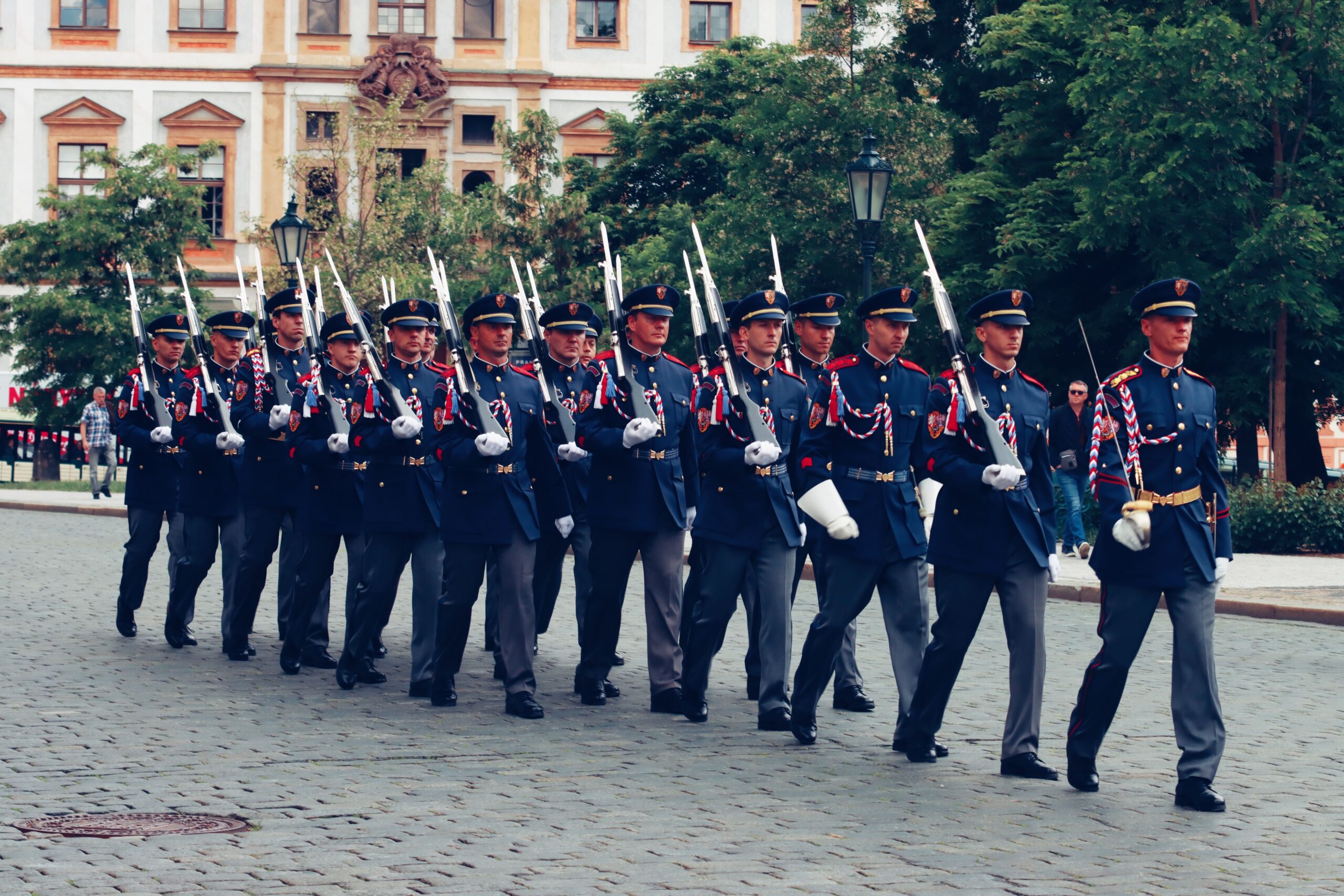
To address these demands, the Czech Armed Forces plan to increase active personnel by approximately 14,000 troops, representing a 60 percent increase over current levels. Currently, the professional force consists of around 24,000 troops, supported by 27,826 conscripts and 4,266 active reservists. The long-term goal is to reach 30,000 professional soldiers and 10,000 reservists by 2030. Řehka stated that NATO’s strategic objectives require up to 37,500 Czech military personnel to contribute effectively to collective defense.
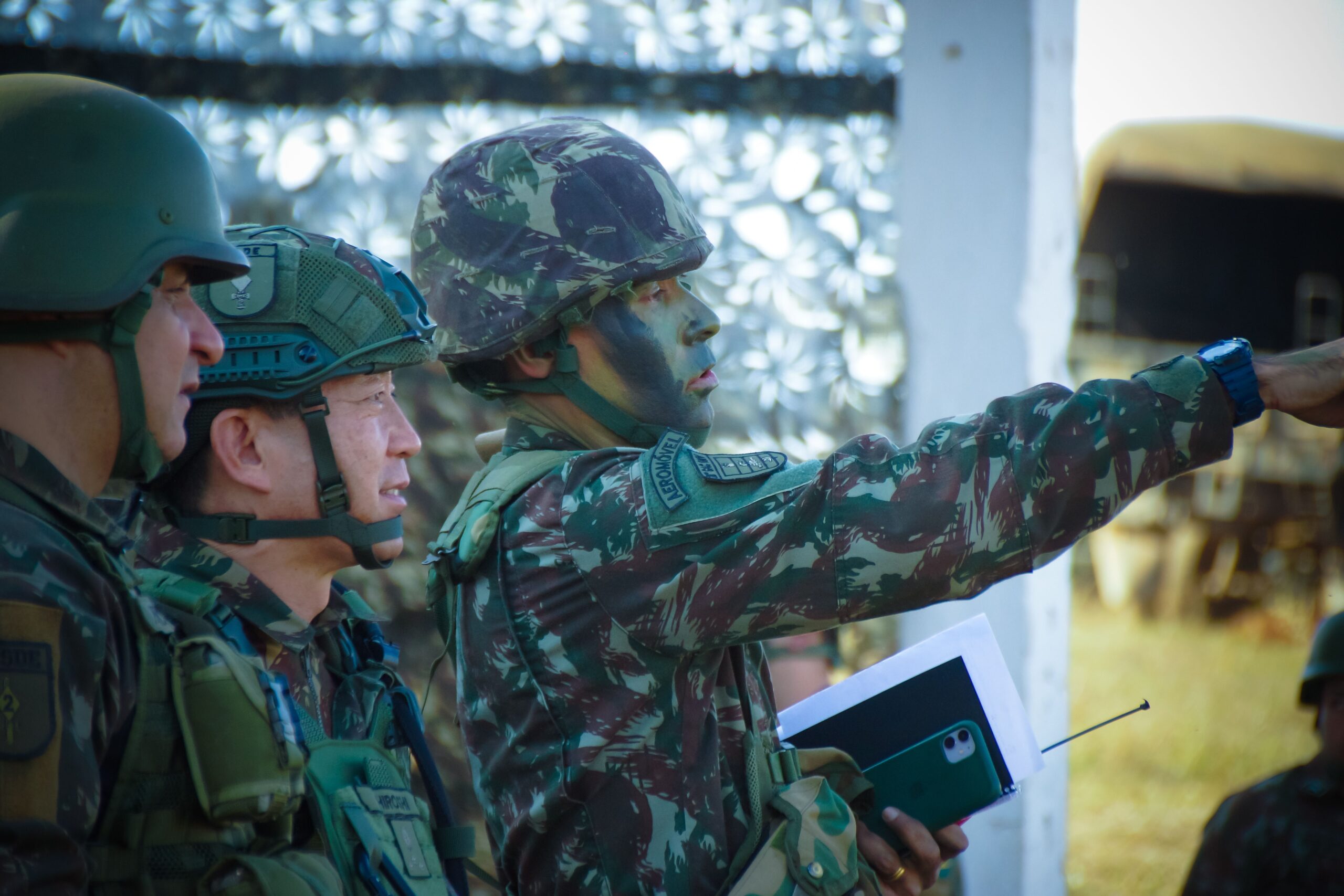
The expansion is driven by tactical lessons from the Ukraine war, particularly the increased transparency of the battlefield due to a dramatic rise in sensors. This environment shortens decision-making times and reduces the interval between sensor and shooter, necessitating greater integration of artificial intelligence and disruptive technologies to process large data sets. Řehka also pointed to growing military cooperation between Russia, Iran, China, and North Korea as a factor influencing European security policies.
Defense Minister Jana Cernochova addressed the financial implications, stating that the current defense budget of 2 percent of GDP is the minimum requirement. She suggested that increasing expenditures to 3 percent of GDP might be necessary to sustain the armed forces. Public opinion reflects this heightened security focus, with a Central European Digital Media Observatory survey indicating that 55 percent of Czechs worry about escalation into a NATO-Russia confrontation, and 67 percent fear the conflict will be prolonged.
The Czech government intends to proceed with the force structure expansion to meet the 2030 targets. This move aligns with broader NATO efforts to enhance collective deterrence in response to the evolving geopolitical landscape and the demonstrated capabilities of Russian forces in Ukraine.

One Comment