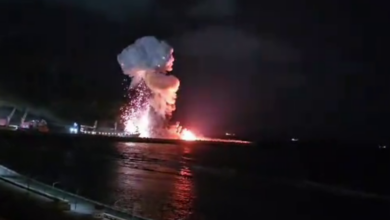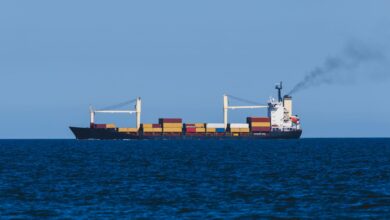
According to the Government of National Stability (GNS), the de facto authority in eastern Libya, the explosion occurred as the Russian ship stopped for fuel and supplies during its return journey to Russia. The GNS stated that the ship was operating within the framework of an existing maritime agreement. Authorities secured the site immediately following the incident and reported no casualties. The GNS emphasized that Libya is not a party to the Russia-Ukraine war or any other conflict beyond its borders, and it announced that an investigation is underway, with Libyan authorities coordinating with Russian counterparts to determine the source of the attack and identify those responsible.
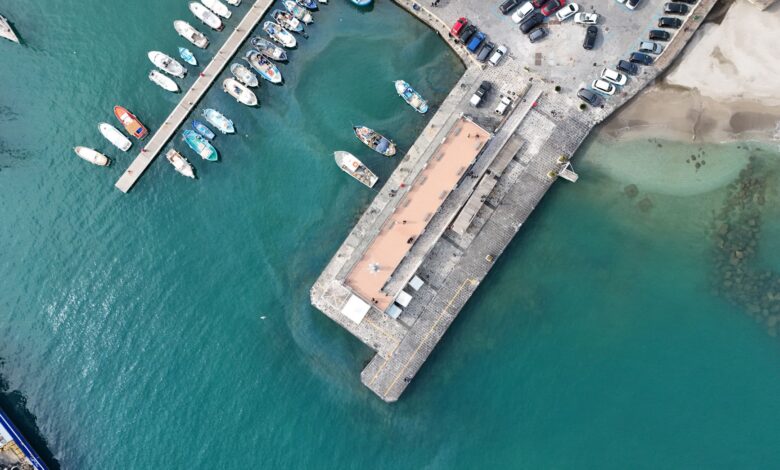
Independent verification of the incident’s physical impact has been provided by satellite imagery from Planet Labs PBC, reviewed by BBC Verify. A capture taken at 0547 GMT on Sunday showed a boat on fire at the Benghazi port. A subsequent image captured several hours later appears to show the same vessel partially submerged, indicating that the explosion likely compromised the hull’s integrity. This technical progression—from fire to submersion—suggests a severe structural failure, although the specific type of munition or drone used has not been confirmed by either the GNS or Moscow.
Moscow has yet to issue an official comment regarding the incident. The lack of immediate confirmation from the Russian Foreign Ministry or the Ministry of Defense leaves the precise nature of the attack unverified. While the GNS has characterized the event as a drone attack, this remains a claim pending the outcome of the joint investigation. It is critical to distinguish between the confirmed physical damage to the vessel and the unverified attribution of the attack. No independent evidence has yet been presented to definitively link the incident to any specific belligerent in the broader regional conflicts, including the ongoing war in Ukraine or the internal Libyan civil war.

The incident has drawn sharp criticism from the internationally recognized Government of National Unity (GNU) in Tripoli. In a statement published by state media, the GNU warned against the hosting of foreign forces and the use of Libyan facilities by external actors. The GNU argued that such activities raise “serious fears” regarding risks associated with involving ports and civilian facilities in activities related to external conflicts. The statement highlighted threats to the lives of citizens and the safety of national facilities and assets, reflecting the GNU’s longstanding position that foreign military presence exacerbates instability and violates Libyan sovereignty.
This event underscores the complex strategic calculus governing Libya’s ports. Since the overthrow of Muammar Gaddafi in 2011, Libya has fractured into competing political and military entities, with both the east and west attracting foreign military actors, including Russia, Turkey, the United Arab Emirates, and others. Ports such as Benghazi have increasingly served as logistics hubs for these foreign forces. The presence of a Russian naval vessel in Benghazi, even for refueling, signals a continued operational commitment by Moscow to maintain a maritime footprint in the Mediterranean and North Africa. The vulnerability of such assets to drone strikes highlights the evolving asymmetric threats to naval and port infrastructure in contested regions.
From an operational perspective, the incident raises questions about the security protocols for foreign vessels in Libyan waters. The fact that the ship was docked and stationary when it was struck suggests that port security measures may have been insufficient to detect or intercept the incoming threat. For naval planners, this serves as a reminder that even in non-combat zones, assets remain vulnerable to low-cost, high-impact drone attacks. The partial submersion of the vessel indicates that the explosion was powerful enough to cause catastrophic damage, potentially rendering the ship a total loss.
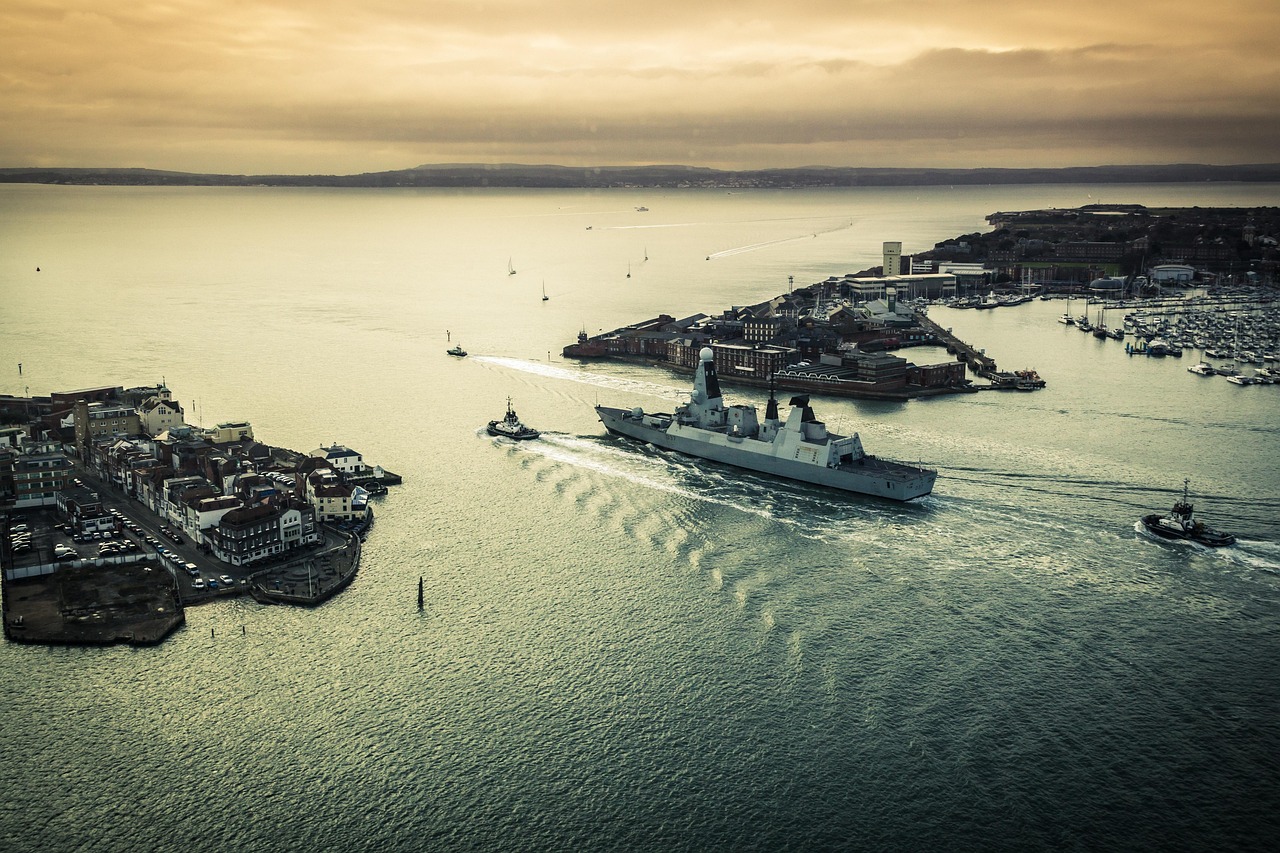
The strategic implications of the incident are significant. It demonstrates that foreign military operations in Libya carry substantial risk, a reality that may influence future deployment decisions by external powers. For Russia, the loss or damage of a naval asset in a third country could be perceived as a challenge to its security guarantees or a sign of weakening influence. For the GNS, the incident complicates its diplomatic stance, as it must balance its partnership with Russia against the safety of its own ports and the potential for retaliation or further escalation. The GNU’s condemnation further deepens the divide between the two Libyan governments, making a unified national response to the incident unlikely in the short term.
As the investigation proceeds, attention will turn to the forensic analysis of the debris and any recovered drone components. This technical evidence will be crucial in determining the origin of the attack and attributing responsibility. Until then, the incident remains a tactical event with operational and strategic ramifications. The next step will be the formal announcement of the investigation’s findings, which could lead to diplomatic protests, changes in force posture, or further military activity in the region. The integrity of Libyan ports, and the safety of foreign vessels operating there, will remain a central issue in the broader struggle for influence in North Africa.