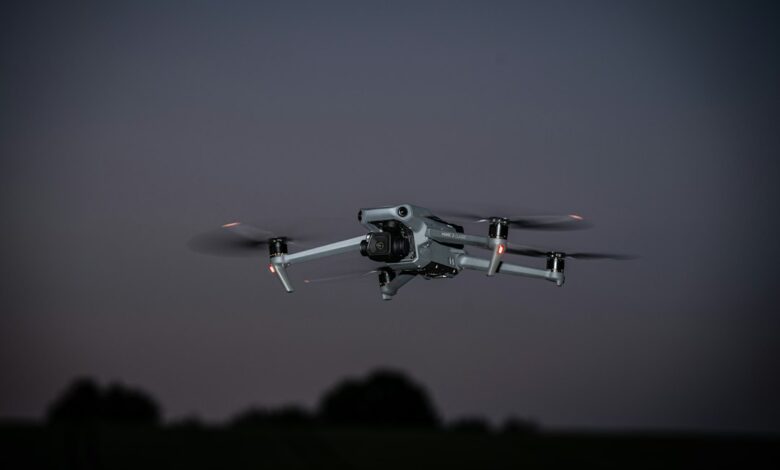
Poland’s Armed Forces Operational Command stated in a post on X that the drone “briefly violated Polish airspace” while targeting western Ukraine. The command confirmed that it “activated the necessary air defense forces and assets” and granted permission to engage the target. However, the object was not shot down. The command explained that the UAV “changed course to head east” and that a decision was made to refrain from using weapons. This decision was cited as being based on the “potential threat to civilians and the possible consequences of shooting down the object,” specifically the “continuing risk of causing damage” from falling debris.
The drone was continuously tracked by military radar systems throughout its flight path. The violation occurred during a large-scale Russian attack on Ukraine. The Ukrainian Air Force reported that Russia launched 96 drones into the country overnight, including 64 jet-powered models. Ukrainian air defenders claimed to have downed or suppressed 73 of these drones, including 45 jet-powered units. Impacts were reported across 13 locations within Ukraine.
This specific incident is part of a wider trend of Russian projectiles crossing into NATO territory and neighboring states. Since the start of Moscow’s full-scale invasion in February 2022, Polish airspace has been violated multiple times by Russian missiles and drones. More recently, three Russian cruise missiles landed on Polish territory during earlier attacks on Ukraine this month. That incident triggered an emergency meeting of NATO members on Monday, resulting in an agreement to deploy an Airborne Warning and Control System (AWACS) early-warning aircraft to Poland.

Other NATO allies have also reported confirmed or suspected Russian drone violations in Romania, Lithuania, and Latvia. Additionally, Russian drones have been discovered in Moldova, a non-NATO neighbor. Russian officials have consistently denied responsibility for all such incursions, attributing them to technical malfunctions or Ukrainian deception operations, although no independent verification of these claims has been provided in the available reports.
On Tuesday, Polish Defense Minister Wladyslaw Kosiniak-Kamysz indicated that officials were scheduled to meet to address several security issues. The agenda included protecting Polish airspace, investigating the violations, and discussing NATO support. This support specifically referenced the deployment of early-warning aircraft and the establishment of a permanent U.S. military base in Poland.
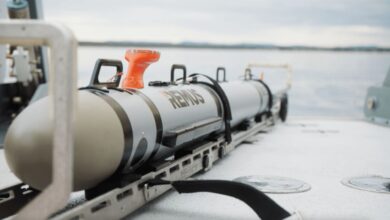
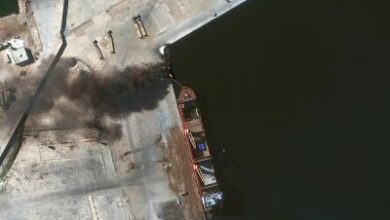
The strategic context of these incidents is significant as the war approaches its five-year anniversary. The ripple effects of the conflict have extended far beyond the traditional frontlines in southern and eastern Ukraine. This week alone, Ukraine claimed naval drone attacks on a Russian warship and a cargo vessel in the Libyan port of Benghazi. Concurrently, authorities and analysts reported two drone attacks on Russian cargo ships in the Baltic Sea. These developments suggest an expansion of operational theaters and a persistent challenge to regional air defense architectures.

While the immediate tactical outcome of the Polish airspace violation was the safe egress of the drone, the operational and strategic implications are profound. The incident highlights the difficulty of balancing air defense readiness with civilian safety, as the decision not to shoot down the drone was explicitly linked to the risk of collateral damage. For NATO, the repeated incursions underscore the need for enhanced early-warning capabilities and integrated air defense systems across the alliance’s eastern flank. The deployment of the AWACS aircraft is a direct response to these vulnerabilities, aiming to provide better situational awareness in the region.
The situation remains fluid, with no confirmed changes in Russian force posture or stated intent beyond the ongoing strikes on Ukraine. The focus for Polish and NATO officials will likely remain on the implementation of the agreed-upon security measures and the continued monitoring of airspace to prevent further escalatory incidents.