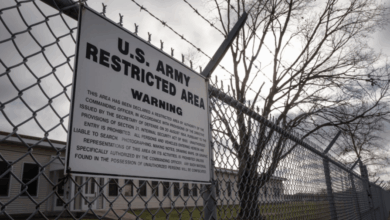
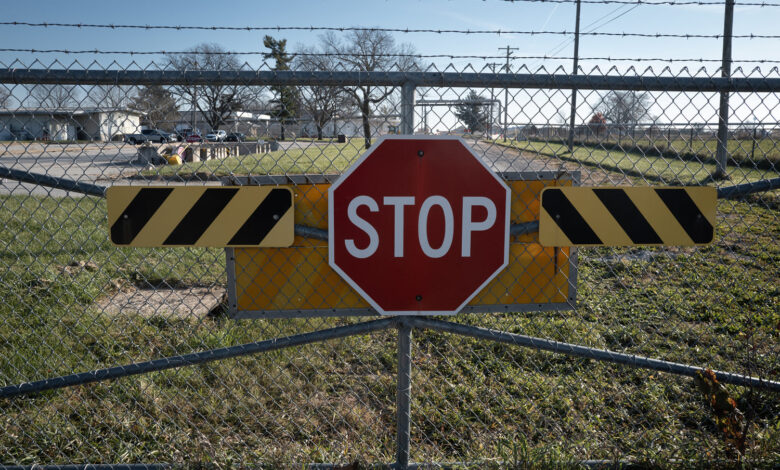
Lead azide is a primary explosive commonly used to initiate secondary explosives in munitions such as grenades and artillery shells. According to Army officials, the specific stockpile in question has undergone a process known as “recrystallization,” which has rendered the material highly unstable. Maj. Gen. Eric Shirley, the commanding general of the U.S. Army Sustainment Command, stated that months of research concluded there was no safer alternative to destroying the stockpile in place. “Inaction is no longer an option,” Shirley said during a press conference on Tuesday, emphasizing that the risk of an accidental, uncontrolled detonation during packing or transport posed a greater threat than the planned blast.
The decision to proceed follows a period of delays and significant public scrutiny. The detonation was originally scheduled for the previous Friday but was postponed twice amid concerns from residents, environmental organizations, and medical groups. The primary concern is the potential release of a toxic lead dust plume. Lead is a potent neurotoxin with no safe level of exposure, posing severe health risks including learning disabilities, reproductive health issues, and hearing loss, particularly for children. Once deposited on surfaces or in soil, lead particles can persist indefinitely unless physically removed.

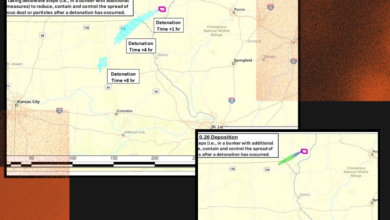
Based on weather forecasts, Army projections indicate that the cloud of lead dust could travel up to 100 miles southwest from the plant, potentially crossing into northeastern Missouri. In response, the Army has issued a public advisory recommending that residents of Middletown and a five-mile zone to the southwest evacuate their homes “out of an abundance of caution.” Soldiers conducted door-to-door notifications on Tuesday afternoon, and the Federal Emergency Management Agency (FEMA) is providing short-term hotel lodging for displaced residents through Friday.
Outgoing Iowa Governor Kim Reynolds declared a disaster emergency for three counties expected to be affected by the plume. In a statement, Reynolds acknowledged the severity of the situation, stating, “I take the Army’s warning seriously that the choice is between a planned detonation and an uncontrolled explosion.” While she expressed support for the military’s assessment, the decision has sparked anger among local residents who feel they did not receive adequate warning. Many have scrambled to prepare for the blast, with some changing Thanksgiving holiday plans, taping windows to prevent dust entry, and taking soil samples to establish baseline lead levels for future comparison.
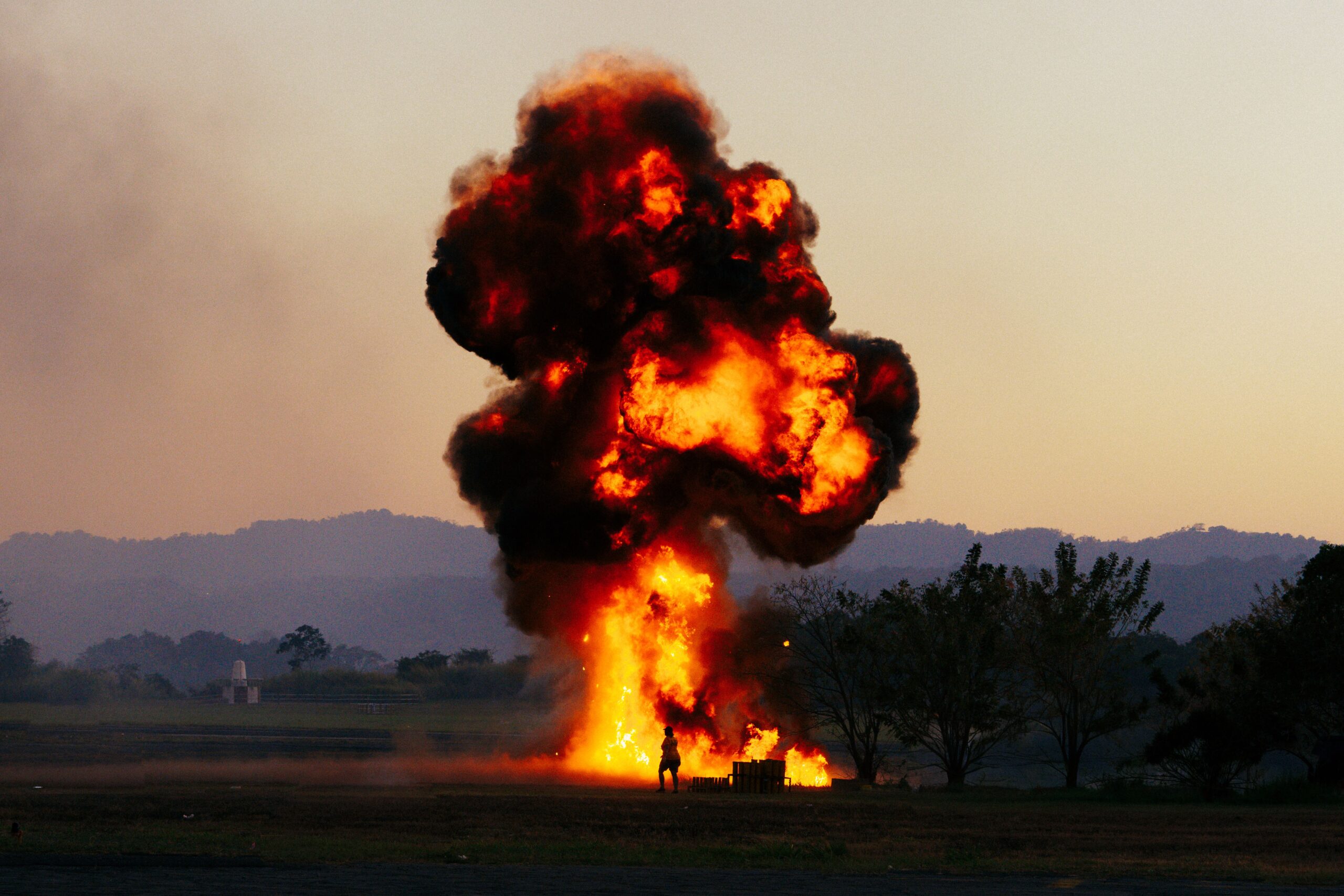
To mitigate the environmental impact, the Army has implemented several containment measures, including water walls, foam barriers, and gel blocks, according to Acting Army Secretary Adam Telle. The Environmental Protection Agency (EPA) is also involved in the operation, with Tom Croci, the associate administrator for national security and operations coordination, confirming that the agency will monitor lead levels in the area “for as long as it takes that we have the comfort that the levels are back to safe levels.”
The incident highlights the operational challenges associated with the disposal of aging and degraded munitions. While the Army asserts that the controlled detonation is the safest course of action given the instability of the material, the long-term environmental and health consequences remain a subject of intense debate. The operation underscores the tension between military safety protocols and community welfare, particularly when hazardous materials are stored in proximity to civilian populations. As the detonation proceeds, the focus will shift to monitoring air and soil quality to assess the actual impact of the released lead particles.