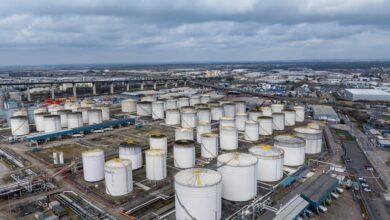

A central component of the relief effort is the activation of the National Oil Crisis Plan, specifically scaling up to phase 1. This move involves the release of the country’s strategic oil reserves onto the market. The objective is twofold: to compensate for supply shortages and to prevent further escalation in wholesale prices. The first tranches of these reserves are scheduled for release across April, May, and June 2026, providing a near-term buffer against continued price volatility.
For the domestic sector, the government is releasing EUR195m for the Energy Emergency Fund to support vulnerable consumers. Additionally, the existing energy allowance is being extended to the Caribbean Netherlands, broadening the geographic scope of financial aid. To improve long-term household resilience, EUR180m is allocated to the National Heat Fund, which will promote home sustainability through loans. A further EUR15m is designated for residents living in poorly insulated homes, addressing the direct impact of energy inefficiency on household budgets.
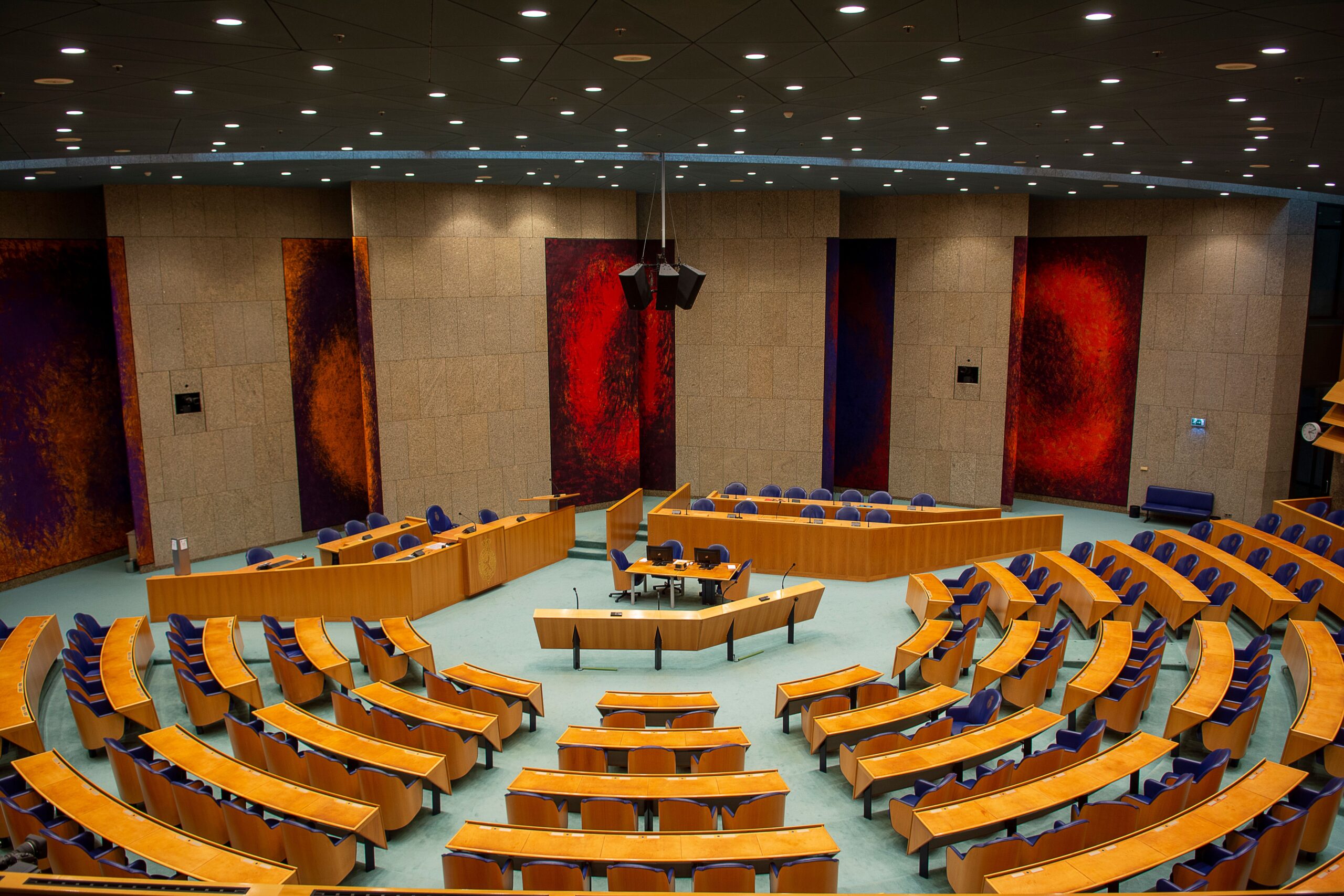
The fiscal measures also target transportation costs directly. The tax-free travel allowance will increase by EUR0.02 to a total of EUR0.25 per kilometer, a change applied retroactively to cover the entirety of 2026. This adjustment is estimated to provide a benefit of approximately EUR0.30 per liter of fuel for commuters. For the commercial transport sector, temporary tax breaks are being implemented to offset rising operational costs. The motor vehicle tax rate for delivery vans will be reduced by 50% for a six-month period, while trucks will benefit from a zero-rate starting 1 July 2026 until the end of the year.
Specific industries facing heightened energy and input costs are receiving dedicated support. EUR25m is allocated to the agriculture and horticulture sectors to reduce energy and fertilizer usage, while a separate EUR25m is earmarked to help the fisheries sector decrease its dependence on fossil fuels. These targeted interventions acknowledge that the energy crisis has uneven impacts across different economic verticals, requiring sector-specific solutions rather than a one-size-fits-all approach.
Beyond immediate relief, the plan accelerates the transition toward lower-carbon alternatives. Subsidies for electric vehicles are being increased by EUR25m, and the trade-in scheme for fossil fuel vehicles is being fast-tracked to encourage earlier market uptake. For small and medium-sized enterprises (SMEs), energy-saving measures are being accelerated, with the deduction percentage of the Energy Investment Allowance (EIA) set to rise from 40% to 45.5% as of 1 January 2027. This structural change aims to incentivize capital investment in energy-efficient technologies by improving the tax treatment of such expenditures.
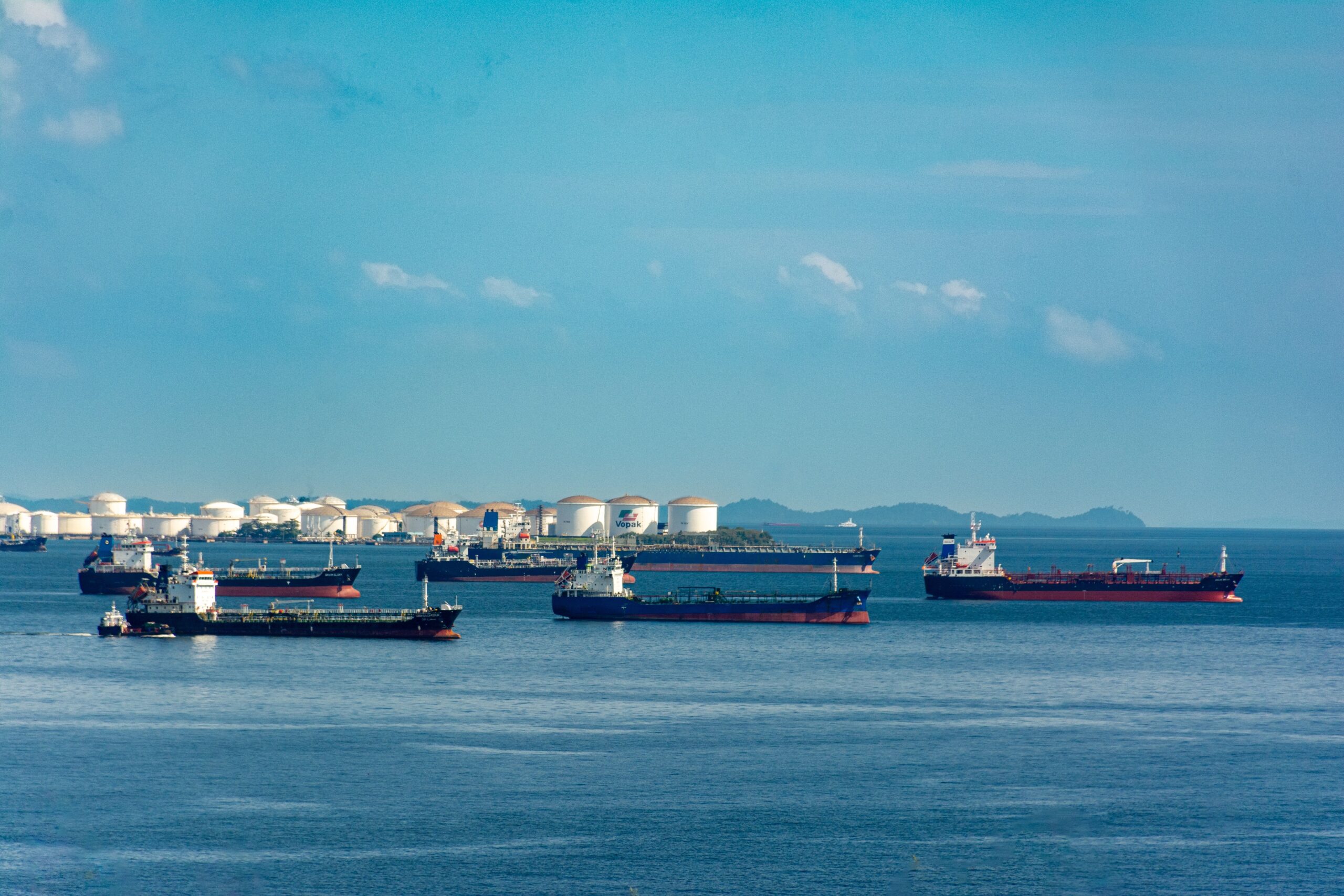
The scale of the response reflects the severity of the supply-side shock caused by the geopolitical conflict. By combining immediate market interventions, such as the release of strategic reserves, with structural fiscal adjustments and long-term efficiency incentives, the Dutch government is attempting to stabilize the energy market while guiding the economy toward greater resilience. The phased release of oil reserves in the coming months will be a critical indicator of the plan’s effectiveness in curbing price spikes. Meanwhile, the expansion of support to the Caribbean Netherlands and the specific allocations for agriculture and fisheries highlight the government’s effort to ensure that the burden of the energy crisis is not disproportionately borne by vulnerable communities and essential food-producing sectors.
As the first tranches of strategic reserves hit the market in April, the immediate focus will be on whether these releases can sufficiently dampen wholesale price increases. The success of the broader plan will depend on the coordination between these short-term market interventions and the longer-term fiscal incentives designed to shift consumer and business behavior away from fossil fuel dependency. The situation remains fluid, with the duration and intensity of the US-Iran conflict continuing to be the primary variable influencing future energy prices and the necessity for further state intervention.