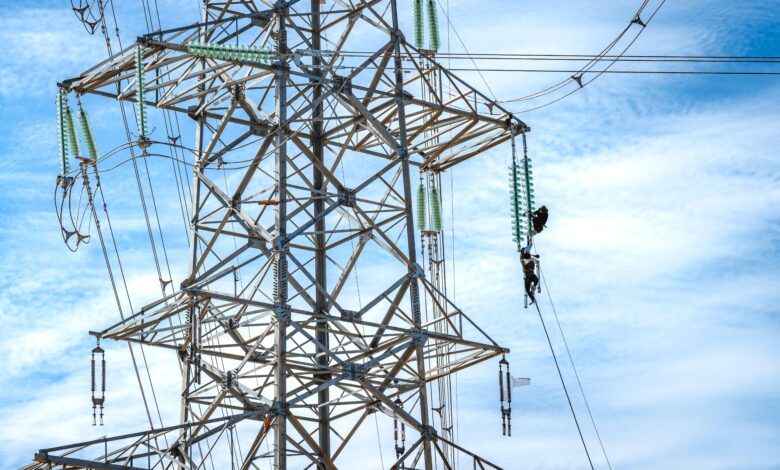
Recent assessments of the proposed budget reveal a significant disconnect between political ambition and fiscal reality. The analysis focuses on “European public goods” (EPGs), a term used to describe areas where EU-level action is more effective than individual national efforts, such as cross-border energy networks, shared research initiatives, and climate action. Even under the most optimistic deployment scenarios, the proposed budget would only close 12% to 22% of the investment gap in these critical EPG areas. This means that in the best-case scenario, nearly four-fifths of the necessary public investment for these strategic priorities would remain unmet.
The shortfall is even more pronounced when looking at total investment needs, including the role of private capital. The EU budget is designed to play a catalytic role, using instruments like loan guarantees to “crowd-in” private investment. However, the overall impact of these financial engineering tools is limited. When considering the entire 2028-2034 budget, the contribution to total investment needs—public and private combined—stands at just 4% to 8%. This modest coverage stems from both the scale of the budget and its composition.
Currently, the EU budget amounts to just over 1% of the EU’s gross national income (GNI). This figure is small compared to what member states spend nationally. Furthermore, a significant portion of the budget remains tied to traditional policies, particularly agriculture and regional redistribution. While these areas remain politically important, their continued dominance leaves limited room for forward-looking investments in innovation, climate mitigation, and digitalization. The proposed budget framework grants EU governments considerable flexibility in how they allocate funds, but this freedom carries the risk that member states may prioritize preserving existing spending patterns over addressing long-term strategic goals.
Paths to Closing the Gap
To address these structural deficiencies, several adjustments are necessary. First, negotiators must acknowledge that the budget needs to be larger. An increase of approximately 0.6% of GNI compared to the Commission’s current proposal would make a meaningful dent in the EPG investment gap. However, current negotiating positions among EU governments suggest a trend toward a lower budget than proposed, complicating efforts to secure additional funds.
Second, the flexibility inherent in the new budget system must be utilized strategically. Rather than defaulting to historical spending habits, countries should prioritize investments that directly support Europe’s long-term competitiveness and resilience. Third, policymakers must maintain realistic expectations regarding financial instruments. Guarantee-based instruments and public-private partnerships are useful tools, but they cannot replace direct public investment. Sectors such as research, climate mitigation, and cross-border infrastructure require sustained and substantial public funding to reach the scale necessary for transformation.
Finally, there is a critical need for better data and analysis, particularly regarding defense spending. While political attention to defense investment has intensified, clarity on the actual financial requirements and the role of the EU budget in this domain remains limited. Without precise data, it is difficult to allocate resources effectively in an area where rapid capability building is essential.
The negotiations between EU governments and the European Parliament to finalize the 2028-2034 budget are ongoing. The outcome will determine whether Europe can bridge the gap between its strategic aspirations and its fiscal capacity. For now, the evidence suggests that the proposed framework, unchanged, will leave a substantial portion of the continent’s most critical investment needs unaddressed.