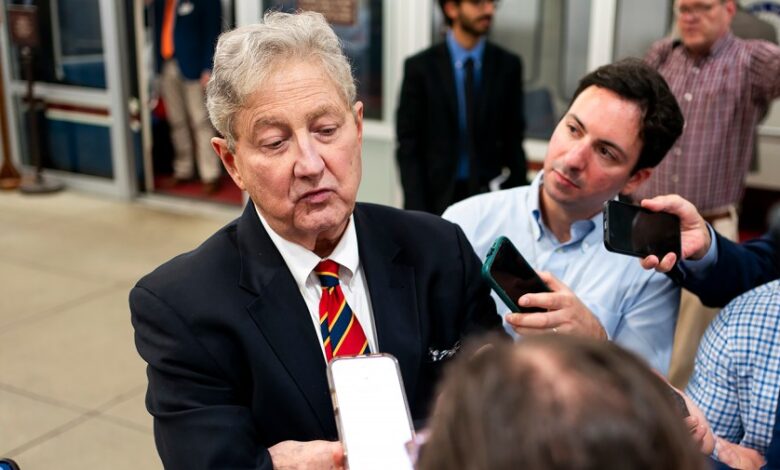
The rejection was led by Senate Republicans who cited national security concerns and the ongoing conduct of the Russian government as primary reasons for opposing the deal. Senator John Kennedy, R-La., was vocal in his opposition, stating, “Vladimir Putin is a butcher.” This sentiment reflects the broader political consensus among the Republican leadership that economic engagement with Russia is incompatible with current geopolitical realities.
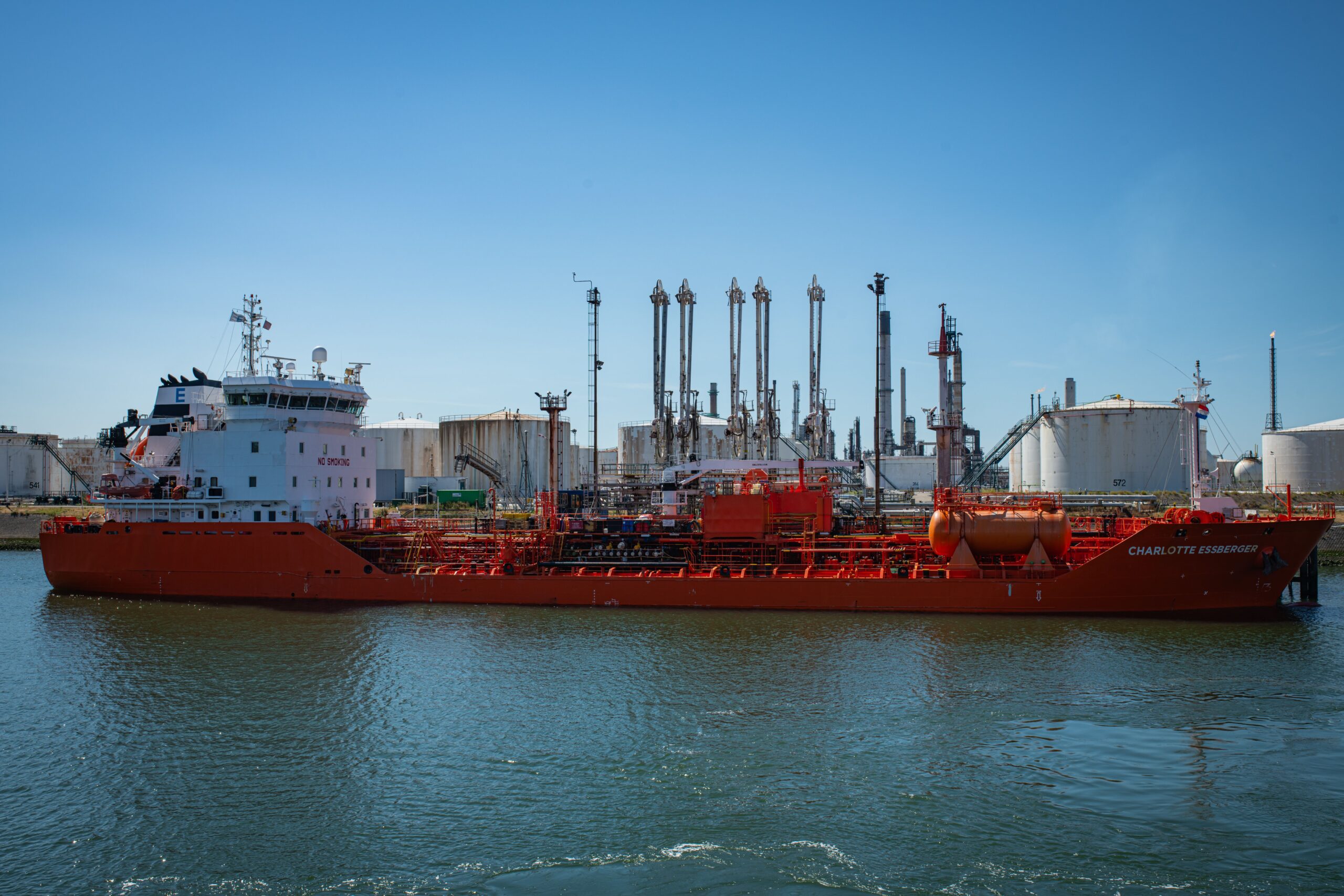
The proposed deal was designed to address potential gaps in domestic diesel supply by tapping into Russian energy reserves. However, the legislative push to block the agreement indicates that political risks have outweighed the commercial benefits for the majority of the party’s senators. The rejection signals a shift toward stricter enforcement of economic separation from Russia, aligning trade policy more closely with defense and foreign policy objectives.
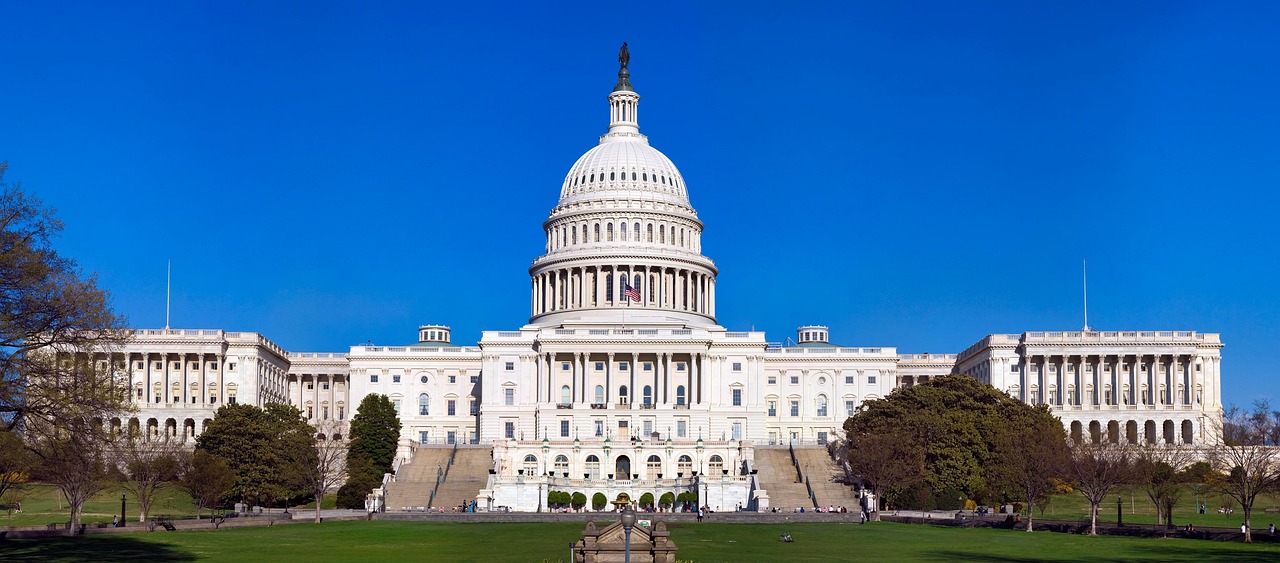
President Vladimir Putin’s government has faced widespread international criticism and sanctions due to its military actions. The U.S. Senate’s decision underscores the difficulty of normalizing trade relations with Moscow in the current climate. By rejecting the diesel deal, lawmakers are prioritizing diplomatic leverage and security over short-term fuel supply adjustments.
The impact of this decision will be felt in energy markets and by industries reliant on diesel fuel. Without the Russian supply line, domestic producers and alternative import sources must fill any potential gaps in the supply chain. The move reinforces the administration’s need to find alternative diplomatic or domestic solutions to energy security challenges, as the legislative branch has drawn a clear line regarding economic interactions with the Russian state.
This legislative action concludes the specific debate over the diesel import proposal, with no immediate prospect for renegotiation given the strong opposition from key Republican figures. The focus now shifts to how the administration will manage domestic energy policy without reliance on Russian exports, a path that was previously under consideration but has now been foreclosed by congressional action.