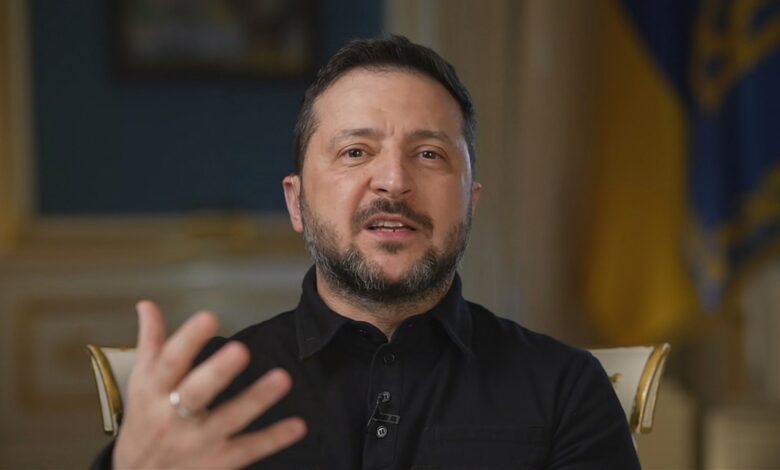
The statement comes in direct response to criticism from US President Donald Trump, who has demanded that Zelenskyy stop the refinery attacks. Trump’s comments have introduced a significant point of tension between Washington and Kyiv, complicating the diplomatic landscape surrounding the ongoing conflict. Zelenskyy’s counter-argument emphasizes reciprocity, arguing that Ukraine cannot be expected to lower its defensive or retaliatory posture while Russia continues to target Ukraine’s power grid and energy supply.
The diplomatic friction has extended beyond the transatlantic axis, with European nations expressing shock at Trump’s suggestion that Zelenskyy should be replaced. This proposal was received with alarm in Kyiv and across Europe, where leaders view Zelenskyy as a central figure in the resistance against Russian aggression. In response to the shifting diplomatic dynamics, Ukraine’s allies have vowed to continue applying pressure on Moscow, signaling that the international community remains committed to supporting Ukraine despite disagreements among its partners regarding specific military tactics.
Diplomatic and Strategic Context
The debate over refinery strikes highlights a broader strategic disagreement among Western allies. While some officials in Washington have raised concerns about the economic impact of Ukrainian strikes on the Russian fuel sector, Kyiv maintains that these operations are a necessary measure to degrade Russia’s military logistics and war-fighting capacity. The issue has become a focal point in negotiations, with the US seeking leverage for potential peace talks and Ukraine insisting on maintaining its operational autonomy in defense matters.
Recent discussions between Washington and Moscow, including references to a diesel deal, have further complicated the situation. Ukraine’s allies have interpreted these diplomatic moves as an attempt to isolate Kyiv from key energy leverage, prompting a coordinated response to ensure that Russian economic pressure remains sustained. The European response underscores a determination to prevent a split in the Western coalition that could weaken the overall support structure for Ukraine.
Zelenskyy’s insistence on mutual de-escalation reflects a broader military doctrine of proportionate response. By linking the cessation of refinery strikes to a halt in Russian energy attacks, Kyiv aims to create a verifiable mechanism for reducing hostilities. This approach seeks to move the conflict toward a negotiated settlement where both sides demonstrate good faith, rather than allowing one party to dictate terms of engagement unilaterally.
As diplomatic efforts continue, the next steps will likely involve further negotiations between US and European counterparts to align their strategies regarding Ukraine. The outcome of these discussions will determine whether the current level of military engagement persists or if a framework for mutual restraint can be established. For now, Zelenskyy’s position remains firm: Ukraine will continue its operations until Russia agrees to a reciprocal pause in attacks on critical infrastructure.