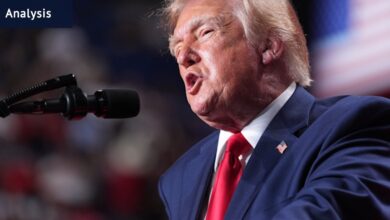
Trump’s comments were a direct response to President Volodymyr Zelenskyy’s fierce criticism of the fuel deal, which Zelenskyy described as “terrible” and “not fair and not honest.” The U.S. president argued that Zelenskyy had not done enough to end the conflict and suggested a new leader might be more willing to negotiate. “I suggest they get a new leader who can make a deal,” Trump said. He further accused the Ukrainian president of resisting a compromise, claiming that “Russia would like to make a deal … but for whatever reason, Zelenskyy does not want to make a deal.” Trump also directed Zelenskyy to cease attacks on Russian oil refineries, stating, “He better damn well stop.”
The dispute over the diesel sanctions is central to the current diplomatic standoff. The U.S. agreement easing sanctions on Russian fuel was intended to alleviate a global fuel crunch, but it has drawn sharp criticism from Kyiv. Trump also linked the conflict to domestic economic pressures, blaming Zelenskyy for high diesel prices in the United States. In response, Ukraine’s Foreign Minister Andriy Sybiga defended Zelenskyy’s position, stating, “He has the support of the Ukrainian people, and they have the right to decide.” Sybiga added that statements from abroad only confirmed that the president was “doing his job well” and deserved support.
Allies reaffirm solidarity
European leaders moved quickly to counter the U.S. president’s call for a leadership change. British Prime Minister Andy Burnham spoke with Zelenskyy, reiterating “complete solidarity” with Ukraine. According to a Downing Street readout, the two leaders discussed the importance of maintaining pressure on Russia. Burnham emphasized that the U.K. would continue to strengthen sanctions and take further action to constrain the Russian war machine. The leaders agreed to meet in person in the coming days.
Germany also signaled its continued commitment to the current policy framework. A government spokesperson, Stefan Kornelius, stated that despite the U.S.-Russia agreement on diesel, Berlin would continue to push for new EU sanctions against Russia. “The German government sticks to its measures sanctioning Russia and is working jointly with its European partners on new sanctions,” Kornelius said. He added that Germany’s support for Ukraine in its struggle to defend itself remained “unfailing.”
In Moscow, the Kremlin’s special envoy on economic cooperation, Kirill Dmitriev, welcomed Trump’s remarks. Describing the call for a new Ukrainian leader as “historic,” Dmitriev posted on X that “President Trump joins the many who believe that Ukraine needs leadership actually focused on peace.”
Meanwhile, diplomatic efforts to broker a peace agreement continue, albeit under strained conditions. U.S. negotiators Steve Witkoff and Jared Kushner were reported to be planning a visit to Moscow within the next two weeks. In a parallel development, a delegation of Ukrainian officials who had traveled to Miami for talks on ending the war was returning home. Dmytro Lytvyn, an adviser to Zelenskyy, confirmed that the groups were “already on their way home.”
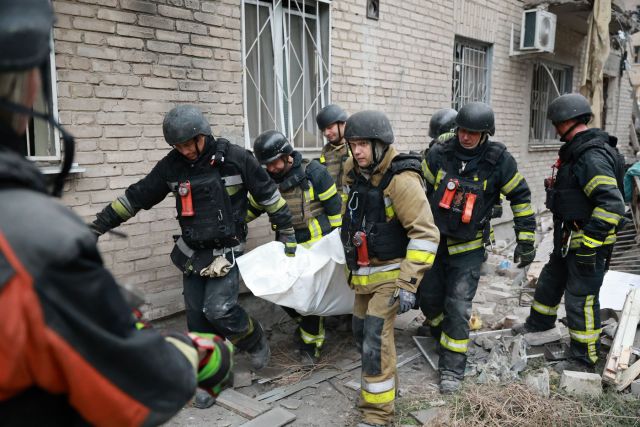
On the battlefield, the diplomatic tensions coincide with continued military strikes. Russia’s defence ministry announced that its drones had struck a data-processing centre in Kyiv, which it claimed was used by Ukrainian forces to collect intelligence. The ministry also reported the capture of the settlements of Lukashove and Lobanivka in Ukraine’s Kharkiv region. Earlier in the week, Moscow launched strikes on Ukrainian civilians, killing 20 people, including three children.
The immediate future of U.S.-Ukraine relations now hinges on whether Kyiv accepts the fuel deal terms or maintains its stance that the agreement undermines its security interests. With European allies firmly backing Zelenskyy and U.S. negotiators preparing for potential talks in Moscow, the diplomatic front remains as volatile as the military one.