
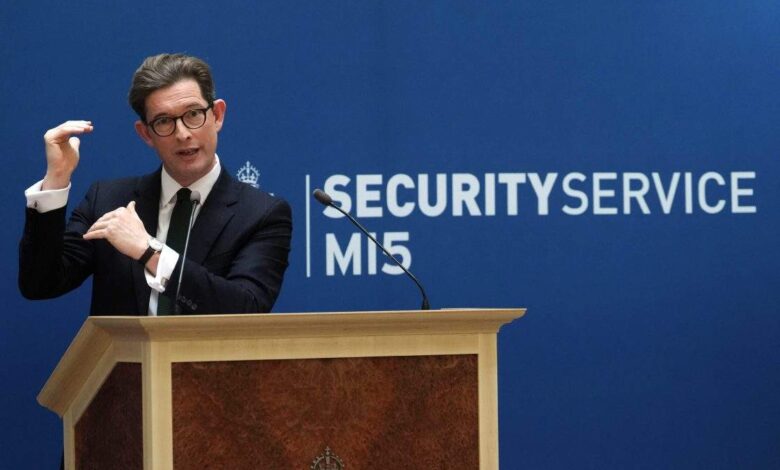
The warning comes in the wake of a specific incident that underscores the severity of the threat. In September, authorities disrupted a suspected plot to attack RAF Fairford, a United States-run military air base located in England. McCallum characterized this specific incident as “not unique,” implying that it is part of a broader, systematic campaign by Iran to probe and potentially compromise critical military infrastructure in the UK. The explicit targeting of a base operated by a key NATO ally signals a direct challenge to the security architecture of the region.
While the focus of McCallum’s speech was heavily weighted toward Iranian activities, UK officials also highlighted the escalating nature of Russian hybrid warfare. Russia is reportedly intensifying its operations as it lashes out against Ukraine’s allies, employing methods that blend conventional military pressure with non-kinetic tactics such as disinformation, cyber-attacks, and sabotage. The dual threat from both Tehran and Moscow indicates that the UK is facing a complex, multi-vector security environment where traditional state actors are employing unconventional methods to undermine stability and project power.
The diplomatic repercussions of the Iranian threat have extended beyond the UK. Canada has joined more than two dozen other countries in formally denouncing Iran’s apparent involvement in the planned attack on the English air base. This broad coalition of nations highlights the international consensus that such actions violate norms of state behavior and threaten regional security. The coordinated response suggests that Western allies are aligning their assessments of the threat, moving from isolated national concerns to a collective diplomatic stance.
The strategic significance of this “major shift” lies in the potential for direct kinetic conflict. By targeting military sites, Iran is not merely engaging in espionage or sabotage but is signaling an intent to degrade the military capabilities of its adversaries. For the UK, this necessitates a heightened state of alert and resource allocation toward the protection of sensitive installations. The involvement of US-run bases, such as RAF Fairford, further complicates the geopolitical calculus, as it directly implicates the broader transatlantic security partnership.
Analysts note that the shift toward “harder targets” reflects a calculation by Iranian leadership that the risks of escalation are being weighed against the strategic benefits of demonstrating reach and resolve. This approach puts additional pressure on UK intelligence and defense agencies to detect and neutralize threats before they can be executed. The historical context of Iran-UK relations, often strained by issues ranging from nuclear proliferation to proxy conflicts in the Middle East, provides a backdrop for this increased hostility.
The immediate consequence of these developments is a reinforcement of defensive postures across Europe. The denunciation by Canada and other nations serves as a diplomatic deterrent, aiming to isolate Iran and signal that such plots will be met with unified opposition. However, the underlying tension remains unresolved. As long as the strategic motivations driving these actions persist, the threat to high-security military sites is likely to remain a central focus of UK security policy.
McCallum’s assessment serves as a clear indicator that the era of limited, low-level interference is giving way to a more dangerous phase of confrontation. The focus on military infrastructure marks a significant escalation in the methods employed by state adversaries. For the UK, the challenge is to safeguard its critical assets while maintaining the broader alliance structures that provide its strategic depth. The coming months will likely see continued scrutiny of intelligence operations and diplomatic efforts to manage the rising tensions with both Iran and Russia.