The recommendation follows a period of intense scrutiny regarding the Hawks’ engagement with organized crime networks. Allegations have emerged implicating senior police officials in links with criminal figures, including Vusimuzi “Cat” Matlala and Katiso “KT” Molefe. Witness testimony from the Madlanga Commission specifically implicated Hawks officers in the 2021 Port Shepstone cocaine heist, in which R200-million worth of narcotics was stolen. Additionally, the unit has faced allegations of leaking confidential information and undermining investigations, including interference in the December 2024 arrest of “KT” Molefe, which occurred weeks before the political killings task team was disbanded.
Cachalia stated that the role required a leader who was “dynamic, strategic, and appreciated by the public,” with the specific capability to “take the fight to the cartels.” The minister noted that the position had previously been advertised twice without yielding a suitable candidate, leading to the decision to appoint Mkhwanazi directly. Under the South African Police Service Act, the Minister of Police appoints the National Head of the DPCI, subject to the concurrence of Cabinet. The memorandum is scheduled to be presented at the earliest opportunity during a Cabinet meeting, after which the appointment must still be confirmed by Parliament to become official.
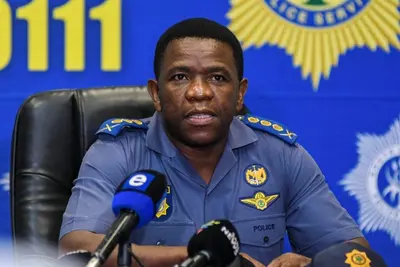
Mkhwanazi currently serves as the Police Commissioner for KwaZulu-Natal, a province where he has been involved in high-profile legal and political controversies. While praised by some for his aggressive stance against crime, his reputation is divided among political and legal figures. Fadiel Adams, leader of the National Coloured Congress, has previously expressed mixed views, citing “longstanding admiration” that soured after Mkhwanazi went public with cartel infiltration accusations. Adams, who faces criminal charges for fraud and defeating the ends of justice unrelated to this specific appointment, alleged that Mkhwanazi’s public statements lacked evidentiary support. Similarly, suspended former police minister Senzo Mchunu criticized Mkhwanazi for initiating public briefings before completing internal investigations into alleged criminality, claiming his name was “sullied” without evidence.
Despite these disputes, the government’s stated rationale for the appointment focuses on the Hawks’ critical role in South Africa’s fight against organized crime and corruption. The appointment, if approved, will place Mkhwanazi in charge of the unit tasked with investigating priority offenses, amid ongoing efforts to professionalize the SAPS and ensure strong leadership against illicit networks. The next step in the process is the formal review of the memorandum by Cabinet, followed by parliamentary confirmation.