
According to Kremlin spokesman Dmitry Peskov, the Russian delegation will be led by presidential adviser Vladimir Medinsky, an arch-conservative who previously served as Russia’s culture minister. Peskov stated that the Russian team is expected to arrive in the United Arab Emirates on November 10 and 11 to participate in the Ukraine-U.S.-Russia format negotiations. He noted that while specific pre-departure meetings with President Vladimir Putin are not currently planned, members of the delegation “regularly report” on current issues to the Russian leader and receive corresponding instructions.
On the American side, White House special envoy Steve Witkoff has framed the mission as advancing President Donald Trump’s “mission to end the war.” In a post on the social platform X, Witkoff outlined that the discussions will “focus on post-war security arrangements, de-escalation, humanitarian efforts and next steps toward peace.” A senior U.S. official told Reuters that Witkoff and Trump’s son-in-law, Jared Kushner, are expected to represent the United States in Abu Dhabi. Witkoff, who has engaged in intensive shuttle diplomacy regarding both the Ukraine and Iran conflicts, met with President Putin in St. Petersburg last month to restart the negotiation process. That meeting set the stage for the current round of talks, which Russian officials had previously indicated would take place sometime in November.
Parallel to the trilateral meetings in Abu Dhabi, U.S. negotiators are coordinating with European partners. Witkoff announced that American officials plan to meet with representatives from France, Germany, the United Kingdom, the EU, and NATO in Brussels this week. The purpose of these consultations is to discuss security guarantees for Ukraine, which would form part of a broader European post-war security framework. This dual-track approach reflects the complexity of the diplomatic landscape, where U.S. mediation must be aligned with European strategic interests.
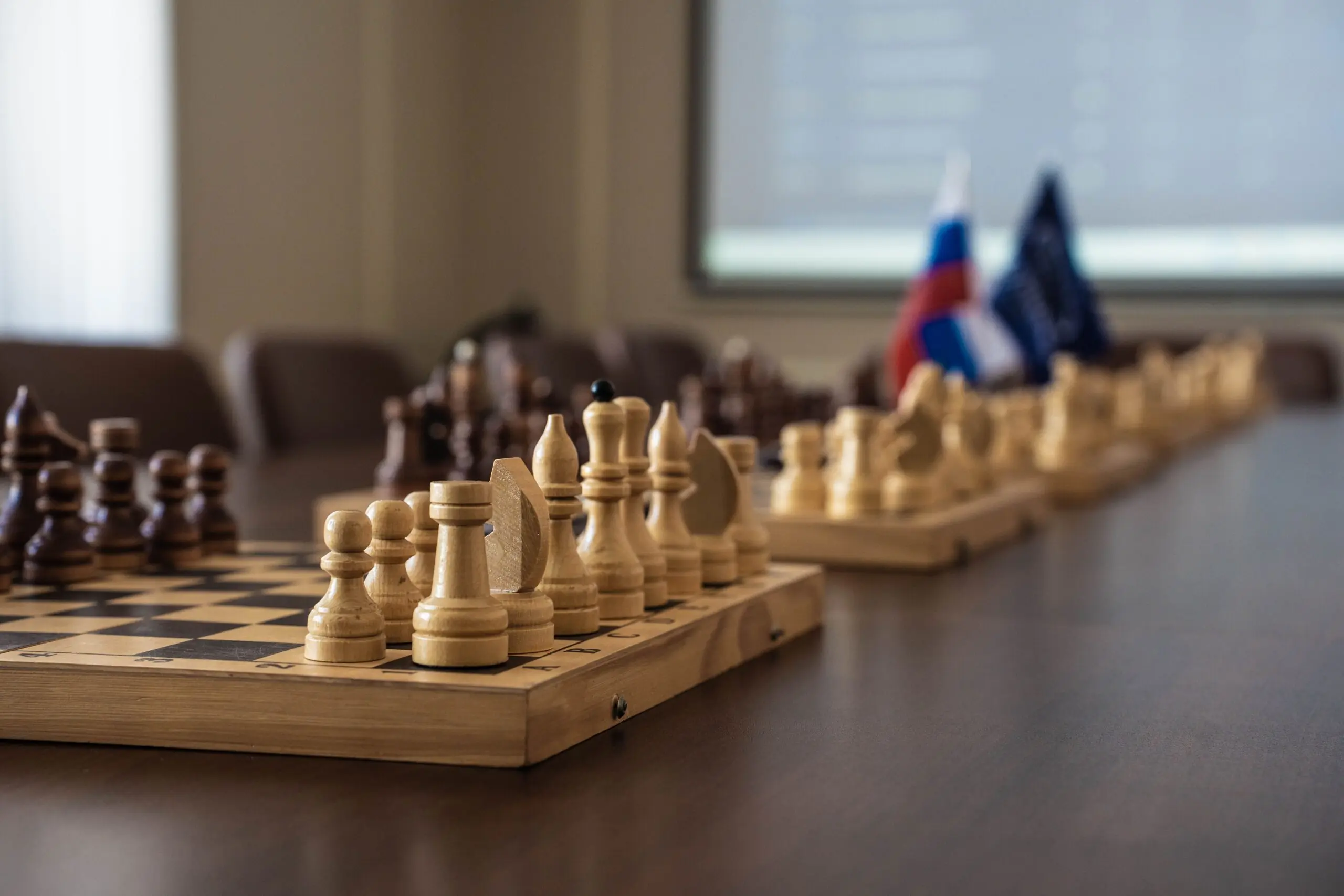
Despite the resumption of dialogue, the fundamental obstacles to a ceasefire remain significant. U.S. negotiators are operating under the goal of brokering an end to the war before the end of the year, a timeline they had also targeted in the previous administration but failed to achieve. However, the positions of Kyiv and Moscow remain far apart on key issues, particularly regarding territory and security.
The core of the dispute lies in territorial control. President Vladimir Putin continues to demand that Ukraine cede full control of the partially occupied Donetsk region in eastern Ukraine as a prerequisite for any ceasefire agreement. This condition has been repeatedly rejected by Kyiv. President Volodymyr Zelensky has resisted pressure from the White House to turn over Ukrainian land in exchange for peace, arguing that such a concession would only encourage further Russian aggression. Zelensky has stated that he is ready to meet with Putin and President Trump in Istanbul to discuss the terms for ending the war, but the specific conditions remain a point of contention.
In recent weeks, the dynamic between Washington and Kyiv has become more strained. President Trump has leveled increasingly harsh criticism at President Zelensky while asserting that Putin is interested in signing an agreement. Zelensky, for his part, has maintained that any deal must respect Ukraine’s sovereignty and territorial integrity. In October, Zelensky confirmed that a trilateral meeting of technical teams was planned for the first half of November, noting that the timing depended on the American side. The Ukrainian side has also attempted to move the Abu Dhabi negotiations up by a week and sought to include an EU representative in the talks, though the final format appears to be strictly trilateral.

The resumption of talks comes after a period of stalled negotiations that began in February. The diplomatic effort now hinges on whether the working-level discussions in Abu Dhabi can bridge the gap between Moscow’s territorial demands and Kyiv’s insistence on sovereignty, while also satisfying the U.S. desire for a rapid resolution. The inclusion of European representatives in separate Brussels meetings suggests that the security architecture of any potential peace deal will require broader international consensus beyond just the three main parties.
As the delegations prepare for their arrival in Abu Dhabi, the focus shifts to whether these “working-level negotiations” will yield any tangible progress on the humanitarian and security fronts outlined by Witkoff. The next critical step will be assessing if the technical teams can find common ground on de-escalation measures, which would be a necessary precursor to any high-level agreement on the war’s end.