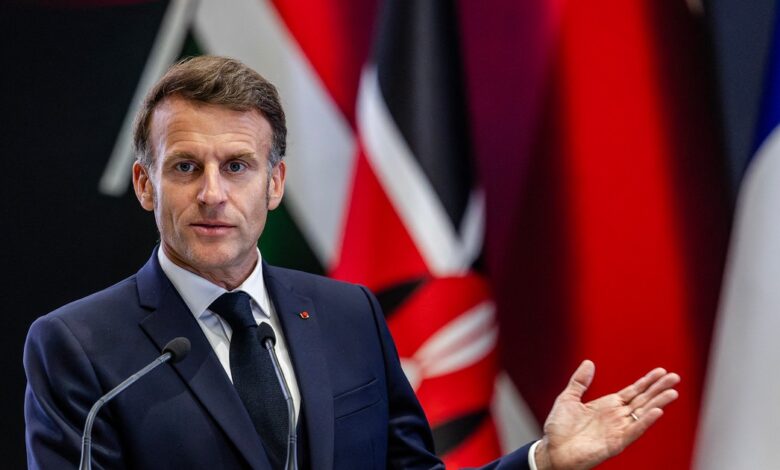
The reported halt underscores how a dispute over sovereignty in the Western Sahara is now tangibly affecting agricultural supply chains in Europe. The friction stems directly from President Emmanuel Macron’s decision to back Morocco’s plan to grant the territory autonomy under Moroccan sovereignty. This stance was a major diplomatic victory for Rabat, which considers the territory part of its sovereign land. However, it drew sharp condemnation from Algiers, which supports the Polisario Front’s bid for an independent state. Algeria viewed France’s position as a rejection of its longstanding regional stance, leading to a sharp deterioration in relations throughout 2024.
The current measure marks a reversal in the conventional direction of economic pressure between the two nations. In July, Algeria introduced an unofficial near-total ban on French imports, targeting companies attempting to sell goods into the North African market. The reported suspension of urea exports, however, targets a commodity sold by Algerian producers to French customers. This indicates that the diplomatic dispute is spreading beyond consumer goods into critical raw material trade, affecting not just businesses but the broader agricultural sector in France.
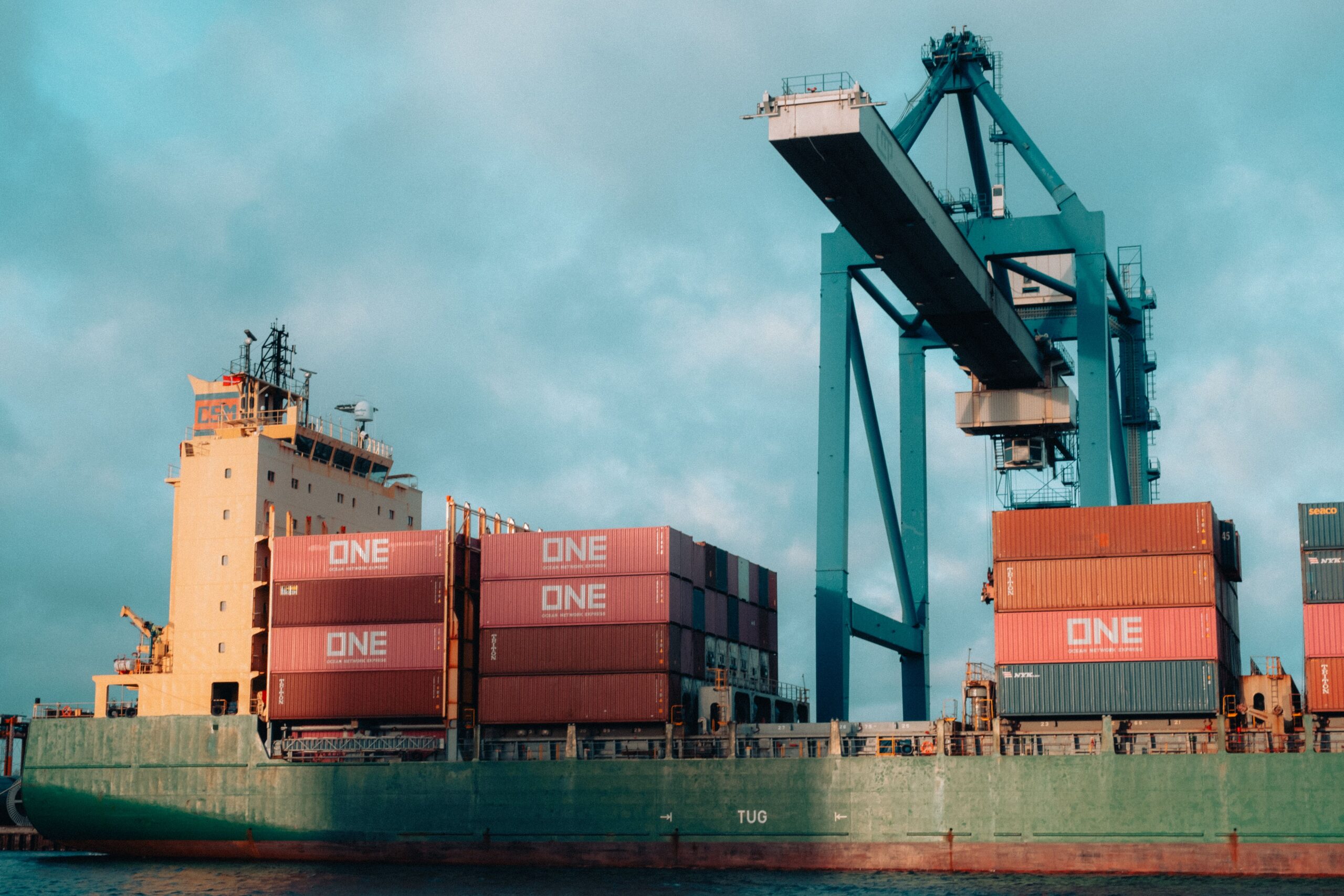
European farmers rely heavily on imported urea because high natural-gas and production costs have constrained fertiliser manufacturing within the region. With Algeria serving as France’s second-largest foreign supplier after Egypt, which held a 33% share of imports, the loss of Algerian cargoes creates immediate logistical challenges. French suppliers must now identify alternative sources before the next planting season. While the European Union purchased about $528 million of Algerian urea in 2025, redirecting these specific cargoes is complicated by shipping costs, existing supply contracts, and price differentials. Other potential markets for the displaced Algerian exports include Brazil, the United States, Canada, and Argentina, though the speed of redirection remains uncertain.
For France, the strategic implication is a forced diversification of supply chains. The disruption could increase dependence on suppliers in Egypt, the Netherlands, and Germany. There are also emerging opportunities for producers in countries such as Nigeria, although Nigerian shipments to France were comparatively small in 2025. For Algeria, the move carries its own economic risks. By halting exports to a market worth more than $200 million annually, domestic producers stand to lose an established revenue stream. The decision reflects a broader strategy where diplomatic leverage is exerted through economic channels, prioritizing geopolitical alignment over commercial continuity.
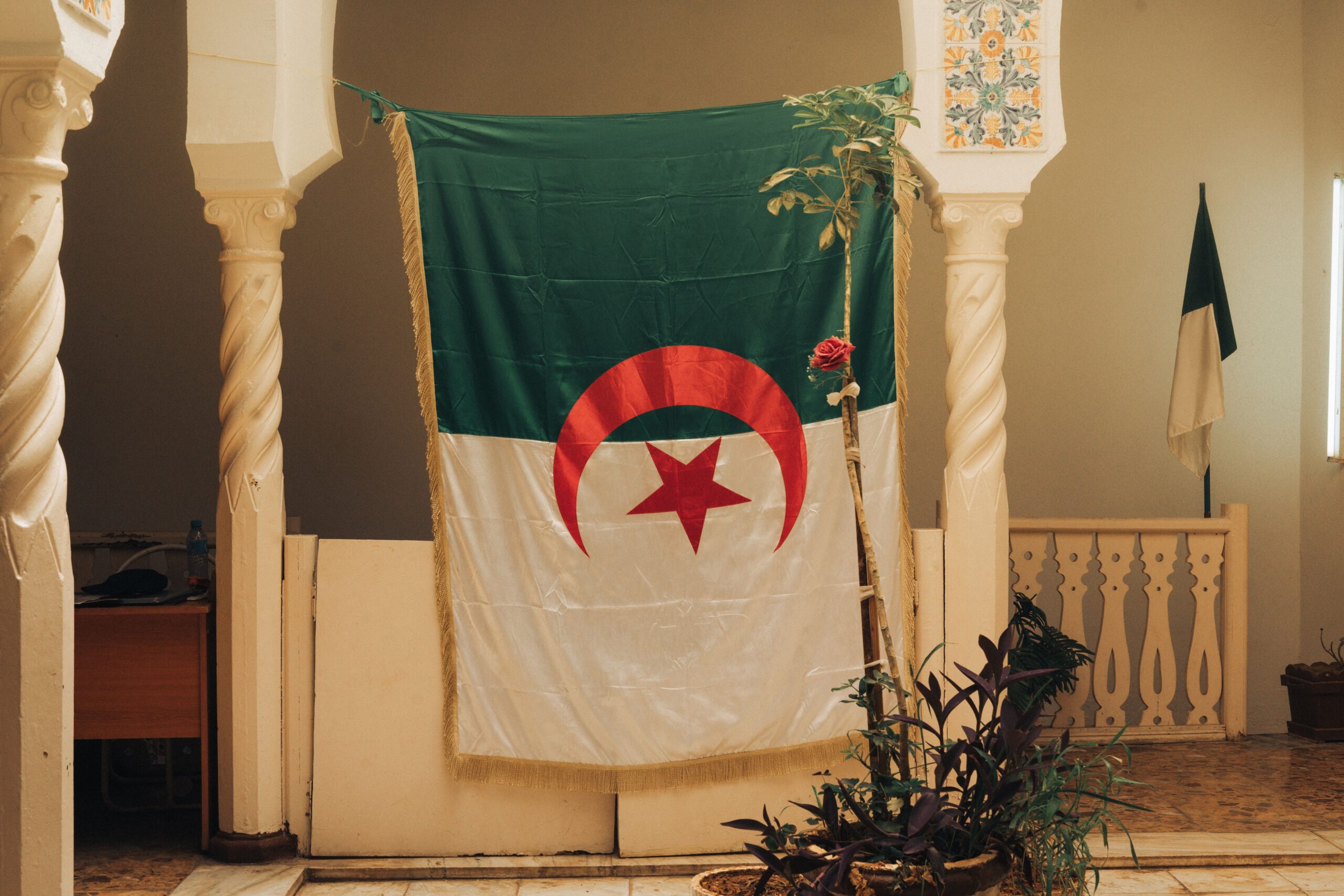
The trajectory of this confrontation highlights the growing financial consequences of the Western Sahara dispute. What began as a debate over sovereignty and regional influence has evolved into a tangible economic standoff. The reported ban on urea exports serves as a clear signal that the diplomatic rift is deepening, with both nations weighing the costs of continued tension against their geopolitical objectives. As French agricultural stakeholders scramble to secure alternative supplies, the unresolved tension between Paris and Algiers remains a central factor in the stability of North African-European trade relations.