Until now, the economic impact of the war with the Houthis has been largely contained to the border regions of Yemen and the Red Sea shipping lanes. The strike on a high-profile commercial tower in Riyadh represents a significant shift in the theater of the conflict, moving the risk profile directly into the capital city. For an economy that relies heavily on the perception of stability and security to attract investment and maintain global trade flows, the physical damage to a landmark financial building carries implications that extend far beyond the immediate structural repairs.
The Saudi Civil Defense’s statement, released following the attack, emphasized the material nature of the damage while noting the absence of casualties. This distinction is critical for understanding the current state of the crisis. The primary objective of such strikes, often attributed to the Houthis in broader conflict narratives, is frequently political or psychological, aiming to demonstrate reach and capability rather than to inflict mass civilian casualties. However, the selection of the tallest building in the capital as a target signals a deliberate attempt to challenge the security apparatus of the Kingdom in its own urban core.
The economic ramifications of such an event are multifaceted. Riyadh is not only the political capital but also the commercial hub of Saudi Arabia. The financial district houses numerous corporate headquarters, diplomatic missions, and financial institutions. While no specific businesses were named in the initial reports, the damage to “nearby buildings” suggests a broader area of impact. In the immediate aftermath, such events typically trigger a reassessment of security protocols for commercial real estate and a temporary disruption to business operations in the vicinity. For investors and multinational corporations operating in the Kingdom, the safety and security of their physical assets are paramount. A strike on a major commercial tower introduces a new variable into risk assessments, potentially affecting insurance premiums and long-term investment decisions in the sector.
The broader context of the conflict with the Houthis has already imposed significant costs on the Saudi economy, primarily through the defense expenditure required to intercept projectiles and the disruption of trade. The Red Sea has become a zone of heightened risk for shipping, leading to increased insurance costs and rerouting of vessels, which has had ripple effects on global supply chains. The extension of this conflict to the heart of Riyadh suggests that these external economic pressures are now being compounded by internal security costs. The Kingdom has maintained a policy of limited engagement in Yemen, focusing on intercepting threats rather than expanding ground operations, but the targeting of the capital may test the limits of this restraint.
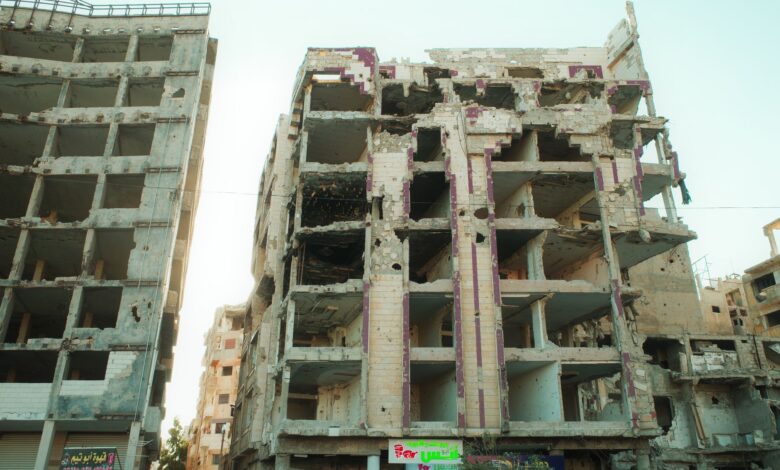
There remains uncertainty regarding the precise extent of the structural damage to the skyscraper and the timeline for its return to full operation. While the Civil Defense reported material damage, the specific floors affected and the nature of the repairs required have not been detailed in the immediate reports. This lack of granular data makes it difficult to quantify the immediate economic loss, though the symbolic value of the damage is undeniably high. The incident underscores the vulnerability of even the most fortified modern cities to long-range asymmetric attacks, a reality that has become increasingly prominent in contemporary geopolitical conflicts.
For the Saudi government, the priority in the coming days will be to demonstrate resilience and the ability to maintain normalcy amidst the crisis. The absence of reported injuries is a mitigating factor that will likely be highlighted in official communications to reassure the public and international partners. However, the physical scar on the capital’s skyline serves as a tangible reminder of the ongoing conflict. As the Kingdom continues to navigate the war in Yemen, the strike on Riyadh’s tallest tower marks a pivotal moment where the conflict has visibly crossed into the heart of the nation’s economic and political life, demanding a response that balances security imperatives with economic stability.